




- orshu
- •
- 6 Min Read
- •
- 2 hours ago


Key Points
- Micron Technology expects first-quarter fiscal 2027 revenue of $61.5 billion, above the $57.02 billion analyst estimate compiled by LSEG.
- Adjusted earnings are forecast at $38.15 per share, compared with analysts’ estimate of $35.40, as demand for AI-related memory continues to accelerate.
- Fourth-quarter revenue more than quadrupled to $54.23 billion, highlighting the growing importance of high-bandwidth memory and data-center infrastructure to Micron’s business.
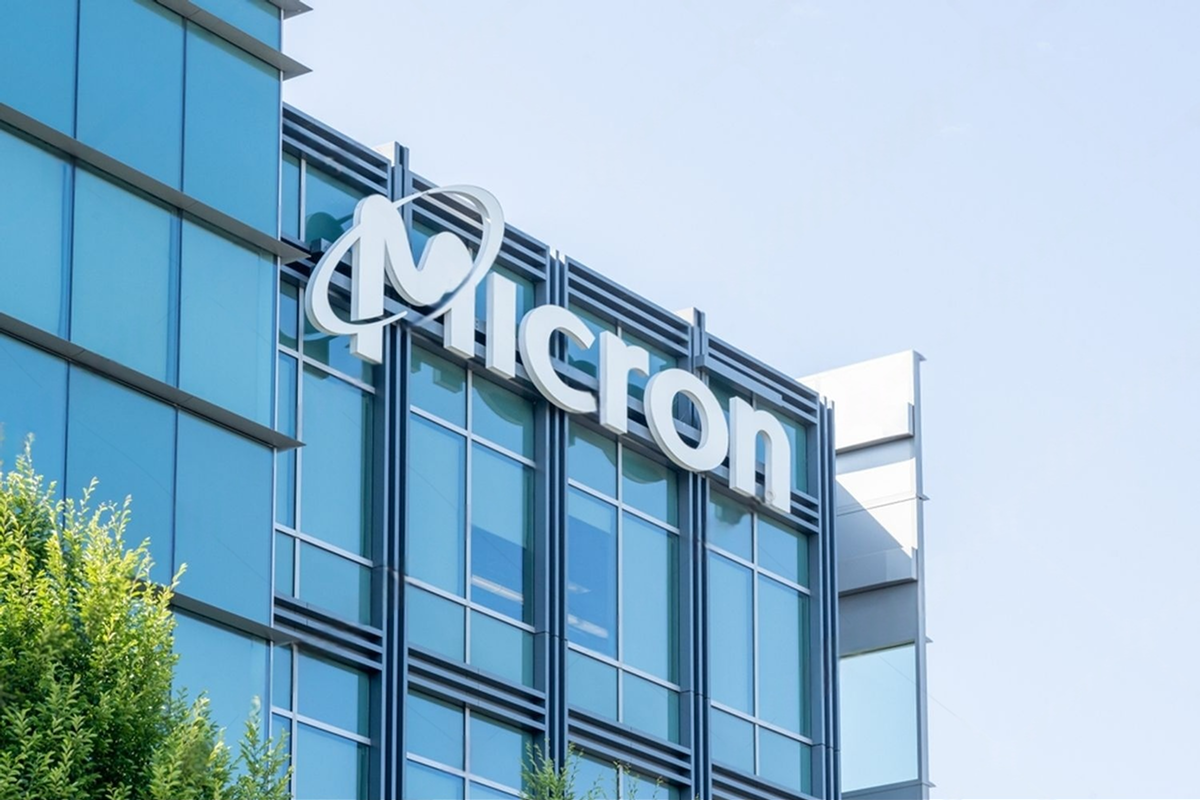
Micron Technology is signaling that the artificial-intelligence infrastructure cycle remains a powerful growth driver for the semiconductor industry, forecasting quarterly revenue and adjusted profit well above Wall Street expectations. The outlook reinforces the growing strategic importance of high-bandwidth memory in AI data centers, while also raising questions about how long elevated memory demand and pricing can remain sustainable.
Micron Raises the Bar for Fiscal 2027
Micron expects first-quarter fiscal 2027 revenue of $61.5 billion, plus or minus $1.5 billion, compared with an average analyst estimate of $57.02 billion compiled by LSEG. The company also forecast adjusted earnings of $38.15 per share, plus or minus $1, exceeding the $35.40 consensus estimate.
The guidance indicates that Micron expects demand to remain strong after an exceptionally powerful fiscal fourth quarter. Revenue in the quarter reached $54.23 billion, more than quadrupling from a year earlier and exceeding analysts’ expectations. Adjusted profit reached $33.42 per share, also ahead of forecasts.
AI Infrastructure Is Reshaping Memory Demand
The principal driver is the rapid expansion of AI computing infrastructure. Generative AI systems require substantial quantities of memory, particularly high-bandwidth memory, or HBM, which allows advanced processors to access data rapidly. Micron is a key HBM supplier to Nvidia, whose processors are widely used in advanced AI computing systems.
Micron has indicated that demand for HBM is exceeding its current production capacity. The surge has also tightened supplies across portions of the conventional memory market, contributing to stronger pricing conditions. This creates an unusually favorable operating environment for memory manufacturers, although the industry’s historical cyclicality remains an important consideration for investors.
Margins and Capacity Will Become Critical Variables
The scale of the current expansion is also visible in Micron’s profitability. The company’s fiscal fourth-quarter results showed substantial improvement in margins alongside the sharp increase in revenue, while its fiscal 2027 outlook points to further elevated profitability. Micron’s official guidance calls for an adjusted gross margin of approximately 86.25% in the first quarter.
At the same time, capacity constraints could become an increasingly important factor. Stronger demand is beneficial only if production can expand sufficiently to meet customer requirements without creating bottlenecks or excessive capital intensity. The company’s ability to increase HBM output while maintaining manufacturing efficiency will therefore be closely monitored as AI infrastructure spending expands.
Micron Becomes a Key Indicator for the AI Supply Chain
For investors in Israel and global markets, Micron’s outlook provides another indication of the scale of capital being committed to AI infrastructure. Memory is increasingly becoming a strategic component of advanced computing rather than simply a supporting semiconductor category, linking Micron’s performance to broader spending by data-center operators and AI developers.
The next focus will be whether AI memory demand, pricing and production capacity continue to support Micron’s unusually strong earnings trajectory. The company’s shares have already more than tripled during 2026, increasing the importance of future results relative to increasingly high expectations. Sustaining growth will depend on continued AI infrastructure investment, successful capacity expansion and the ability to manage the cyclical characteristics of the memory industry.
Comparison, examination, and analysis between investment houses
Leave your details, and an expert from our team will get back to you as soon as possible
* This article, in whole or in part, does not contain any promise of investment returns, nor does it constitute professional advice to make investments in any particular field.
To read more about the full disclaimer, click here
- Lior mor
- •
- 7 Min Read
- •
- ago 2 hours
SKN | Accelevation’s Nasdaq Debut Highlights Investor Caution Around AI Infrastructure Spending
Accelevation, a provider of infrastructure systems for artificial intelligence data centers, experienced a weaker-than-expected Nasdaq debut on Wednesday, highlighting
- ago 2 hours
- •
- 7 Min Read

Accelevation, a provider of infrastructure systems for artificial intelligence data centers, experienced a weaker-than-expected Nasdaq debut on Wednesday, highlighting
- Lior mor
- •
- 6 Min Read
- •
- ago 21 hours
SKN | AT&T Signs $3 Billion Fiber Supply Deal With Corning as Data Demand Accelerates
AT&T has signed a multiyear agreement worth more than $3 billion with Corning for fiber-optic cable and related products, supporting
- ago 21 hours
- •
- 6 Min Read

AT&T has signed a multiyear agreement worth more than $3 billion with Corning for fiber-optic cable and related products, supporting

- Ronny Mor
- •
- 6 Min Read
- •
- ago 21 hours
SKN | Apple Pay Enters India With Axis Bank as Apple Targets the World’s Fast-Growing Digital Payments Market
Apple has launched Apple Pay in India with Axis Bank, bringing its payment service to one of the world’s largest
- ago 21 hours
- •
- 6 Min Read

Apple has launched Apple Pay in India with Axis Bank, bringing its payment service to one of the world’s largest

- omer bar
- •
- 6 Min Read
- •
- ago 22 hours
SKN | Apple’s New CEO John Ternus Plans Leaner Organization as Memory Costs Surge
Apple is entering a new phase under CEO John Ternus as the company confronts rising memory costs, tighter semiconductor supply
- ago 22 hours
- •
- 6 Min Read

Apple is entering a new phase under CEO John Ternus as the company confronts rising memory costs, tighter semiconductor supply
