




- sagi habasov
- •
- 7 Min Read
- •
- 34 seconds ago


Key Points
- The Federal Reserve is reportedly preparing to raise asset thresholds that trigger stricter oversight for large U.S. banks.
- The threshold for the most stringent stress-testing category could rise from $700 billion to approximately $960 billion if the proposed reindexing is adopted.
- Banking sources say the changes could encourage consolidation among mid-sized lenders by altering the regulatory costs associated with reaching larger asset levels.
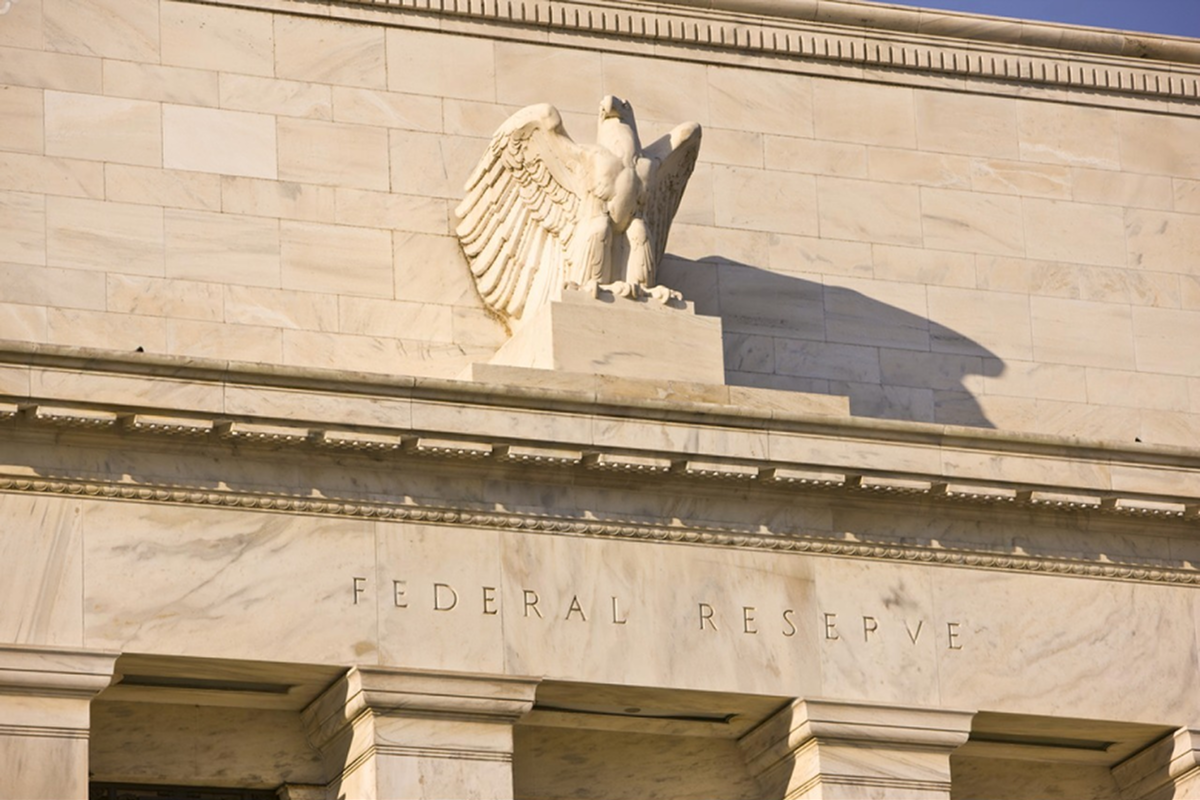
The Federal Reserve is considering a significant adjustment to the asset thresholds that determine when U.S. banks become subject to more stringent regulatory requirements, according to four people familiar with the matter cited by Reuters. The proposal would reportedly reindex thresholds for inflation and economic growth, potentially reducing the regulatory burden for some banks while changing the strategic incentives surrounding expansion and consolidation.
The review comes as U.S. regulators continue to reassess the banking framework following the failures of Silicon Valley Bank and other institutions in 2023. At the same time, the Fed has been working to modernize stress testing and improve transparency around the rules applied to larger financial institutions.
Potential Shift in the $700 Billion Threshold
Under the current framework, domestic bank holding companies and U.S. intermediate holding companies of foreign banks with $700 billion or more in total assets, or $75 billion or more in cross-jurisdictional activity, fall into Category II and are subject to annual supervisory stress testing. The Federal Reserve’s 2026 stress-test documentation confirms the existing $700 billion threshold.
Three sources cited by Reuters expect the Fed to propose changes later this year. If the reported reindexing lifts the $700 billion threshold toward approximately $960 billion, some institutions currently approaching the existing boundary could remain outside the most stringent category for longer. The change would be particularly relevant for banks whose asset growth is driven by inflation, economic expansion or acquisitions.
Regulatory Costs Could Influence Bank Strategy
Higher thresholds could affect how mid-sized banks evaluate growth strategies. Crossing a regulatory boundary can introduce additional requirements involving capital, liquidity, stress testing and reporting, potentially increasing compliance and operational costs. A higher threshold could therefore reduce the immediate regulatory consequences of balance-sheet expansion for some institutions.
However, the impact would not be uniform across the banking sector. Banks remain subject to different requirements depending on their size, risk profile, business model and other measures of systemic exposure. The Federal Reserve’s current framework already differentiates requirements across Categories I through IV rather than relying solely on total assets.
Stress Testing Framework Is Already Being Revised
The potential threshold adjustment would form part of a broader regulatory review. Federal Reserve Vice Chair for Supervision Michelle Bowman said in September that the central bank was modernizing its stress-testing framework, including greater transparency around models and scenarios and changes intended to reduce volatility in stress capital requirements.
The Fed’s 2026 stress tests also continue to evaluate whether large banks can maintain lending capacity during severe economic conditions. The results are used in determining capital requirements and therefore remain an important component of the regulatory framework for major institutions.
Potential Consolidation Effect
Four sources cited by Reuters said the proposed changes could encourage mid-sized bank consolidation. The reasoning is that mergers can push institutions across asset thresholds, making the regulatory treatment of the combined organization an important consideration when evaluating potential transactions.
For investors, the key issue will be the final design of the thresholds and whether they are automatically adjusted over time or revised through periodic regulatory action. The Fed’s eventual proposal, public comment process and implementation timeline will determine how much of the reported change becomes policy.
Beyond the immediate threshold question, the development signals continued evolution of U.S. bank regulation. Market participants will be watching how the Fed balances financial stability, regulatory costs and incentives for bank growth, particularly as policymakers refine the supervisory framework for institutions that sit between community banks and the largest systemically important lenders.
Comparison, examination, and analysis between investment houses
Leave your details, and an expert from our team will get back to you as soon as possible
* This article, in whole or in part, does not contain any promise of investment returns, nor does it constitute professional advice to make investments in any particular field.
To read more about the full disclaimer, click here
- Lior mor
- •
- 6 Min Read
- •
- ago 12 hours
SKN | Eli Lilly Signs Up to $3.35 Billion Drug Discovery Deal With InnoCare: What Does It Mean for Lilly’s Pipeline?
Eli Lilly has signed a research collaboration and licensing agreement with China-based InnoCare Pharma worth up to approximately $3.35 billion,
- ago 12 hours
- •
- 6 Min Read
Eli Lilly has signed a research collaboration and licensing agreement with China-based InnoCare Pharma worth up to approximately $3.35 billion,

- sagi habasov
- •
- 6 Min Read
- •
- ago 1 day
SKN | Disney Raises Streaming Prices Again: Is the Streaming Industry Entering a New Era of Price Inflation?
Disney is raising prices across several Disney+ and Hulu subscription plans, adding to a broader wave of price increases across
- ago 1 day
- •
- 6 Min Read

Disney is raising prices across several Disney+ and Hulu subscription plans, adding to a broader wave of price increases across
- Lior mor
- •
- 8 Min Read
- •
- ago 2 days
SKN | Paramount Faces a $30 Billion Film Production Question After Warner Bros. Deal
Paramount Skydance is entering a new phase of its proposed $110 billion acquisition of Warner Bros. Discovery with an
- ago 2 days
- •
- 8 Min Read

Paramount Skydance is entering a new phase of its proposed $110 billion acquisition of Warner Bros. Discovery with an
- sagi habasov
- •
- 5 Min Read
- •
- ago 2 days
SKN | Amgen’s Sjögren’s Drug Candidate Clears Phase 3: What Does It Mean for AMGN Stock?
Amgen delivered a positive late-stage clinical update on September 22, with its experimental drug dazodalibep meeting the primary goal in
- ago 2 days
- •
- 5 Min Read
Amgen delivered a positive late-stage clinical update on September 22, with its experimental drug dazodalibep meeting the primary goal in
