




- orshu
- •
- 7 Min Read
- •
- 12 hours ago


Key Points
- The S&P 500 ended nearly unchanged, falling 0.02%, as investors weighed geopolitical uncertainty, higher oil prices and rising Treasury yields.
- Markets reacted to developments around the US-Iran conflict, with reports of possible diplomatic discussions supporting a partial recovery from session lows.
- Technology shares showed mixed performance, with Meta advancing after its AI gadget launch while Microsoft declined during the session.
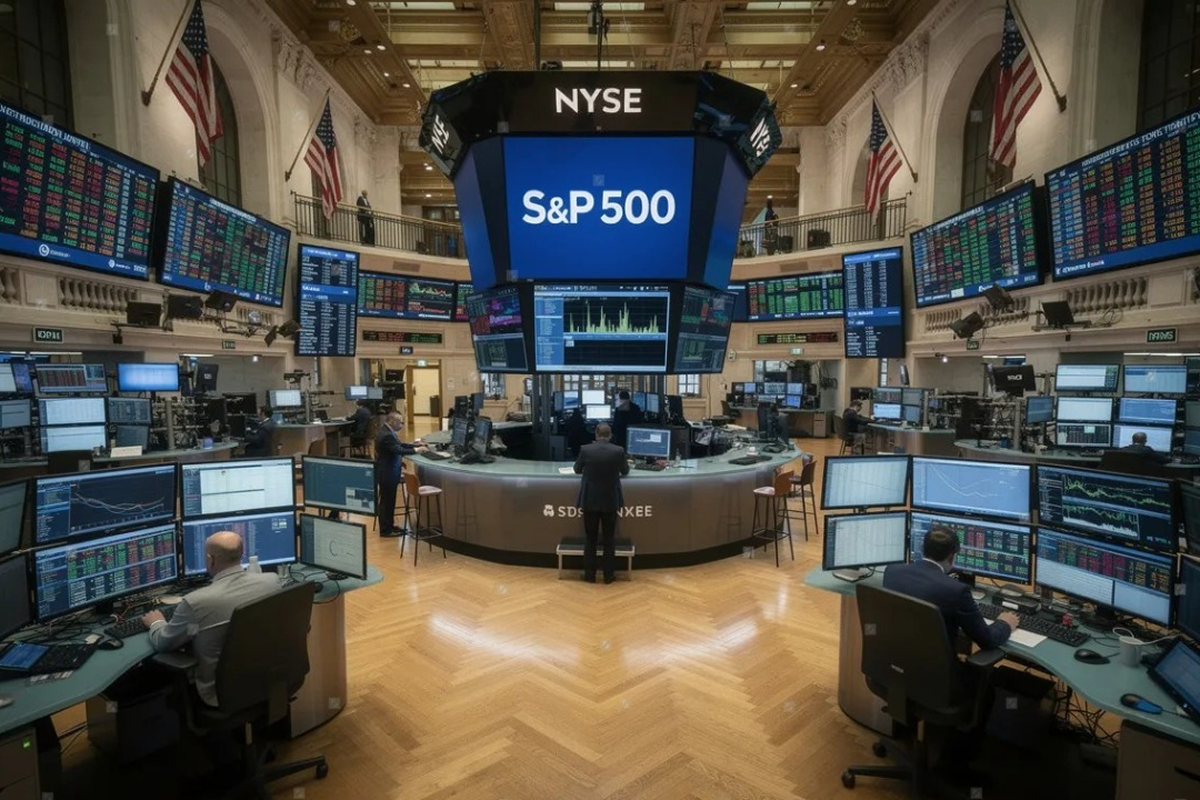
U.S. stocks closed slightly lower on September 24 as investors balanced geopolitical uncertainty in the Middle East against expectations for Federal Reserve policy and corporate developments. The S&P 500 finished down 0.02%, while the Nasdaq gained 0.01% and the Dow Jones Industrial Average declined 0.31%, reflecting a cautious market environment shaped by energy prices, Treasury yields and ongoing interest-rate concerns.
Market sentiment improved from session lows after reports indicated that U.S. and Iranian negotiators were exploring a potential phased path toward reducing tensions, including discussions involving the Strait of Hormuz and economic restrictions. The possibility of diplomatic progress helped limit the impact of earlier concerns surrounding energy markets and global risk exposure.
Geopolitical Developments Keep Energy Markets in Focus
The Middle East remained a central factor for investors as uncertainty surrounding the U.S.-Iran conflict influenced oil prices and broader market sentiment. The Strait of Hormuz, a critical route for global energy shipments, has remained a key focus because disruptions in the region could affect crude supply expectations and inflation dynamics.
Higher oil prices can create additional challenges for central banks by increasing inflation pressures, particularly when energy costs filter through transportation, production and consumer prices. For equity markets, the combination of geopolitical risk and elevated yields has encouraged investors to reassess economic assumptions and corporate earnings expectations.
Fed Policy Expectations Continue to Shape Market Direction
Alongside geopolitical developments, investors continued monitoring signals from Federal Reserve officials regarding the future path of interest rates. Federal Reserve Governor John Williams said another rate increase this year would be reasonable, adding to recent comments from policymakers who have emphasized the need to ensure inflation continues moving toward the central bank’s target.
The latest comments have contributed to higher Treasury yields, increasing pressure on equity valuations. Rising yields generally affect technology and growth-oriented companies more significantly because their valuations depend heavily on expectations for future earnings growth. Investors are therefore closely watching inflation data, labor-market conditions and Fed communication for indications of whether monetary policy will remain restrictive for longer.
Technology Sector Shows Diverging Investor Reactions
Technology stocks moved in different directions as investors evaluated company-specific developments. Meta Platforms gained following the launch of its AI gadget, with investors assessing the company’s efforts to expand artificial intelligence products beyond traditional social media platforms.
Meanwhile, Microsoft shares declined during the session as investors continued examining the competitive landscape in artificial intelligence and broader technology infrastructure. The divergence highlights how markets are increasingly separating companies based on their ability to monetize AI investments and maintain growth momentum.
Markets Await Clearer Signals on Rates and Global Risks
The next phase for U.S. equities will likely depend on several factors, including developments in the Middle East, movements in energy prices, Treasury yield trends and upcoming economic indicators. Investors will continue monitoring whether diplomatic discussions reduce geopolitical risk or whether renewed tensions create additional pressure on inflation expectations.
At the same time, corporate performance and artificial intelligence investment trends remain important drivers for major indexes. The ability of companies to translate AI spending into measurable revenue growth, combined with the Federal Reserve’s approach to inflation management, will remain key themes shaping market direction in the weeks ahead.
Comparison, examination, and analysis between investment houses
Leave your details, and an expert from our team will get back to you as soon as possible
* This article, in whole or in part, does not contain any promise of investment returns, nor does it constitute professional advice to make investments in any particular field.
To read more about the full disclaimer, click here
- orshu
- •
- 6 Min Read
- •
- ago 2 hours
SKN | Asian Markets Mixed on September 25, 2026 as Japan Rallies While China and Hong Kong Decline
Asian markets delivered a mixed session on September 25, 2026, with Japan, South Korea and India advancing while mainland China
- ago 2 hours
- •
- 6 Min Read

Asian markets delivered a mixed session on September 25, 2026, with Japan, South Korea and India advancing while mainland China
- orshu
- •
- 4 Min Read
- •
- ago 4 hours
SKN | European Markets Rebound as Major Benchmarks Recover
European markets moved higher on September 25, 2026, with all major equity benchmarks in the supplied data posting gains. The
- ago 4 hours
- •
- 4 Min Read

European markets moved higher on September 25, 2026, with all major equity benchmarks in the supplied data posting gains. The
- orshu
- •
- 8 Min Read
- •
- ago 6 hours
SKN | Could Surging Bond Yields and Oil Prices Keep Asian Stocks Under Pressure?
Asian equities remained relatively steady Friday despite another sharp move higher in global bond yields. The selloff in longer-dated government
- ago 6 hours
- •
- 8 Min Read

Asian equities remained relatively steady Friday despite another sharp move higher in global bond yields. The selloff in longer-dated government
- orshu
- •
- 7 Min Read
- •
- ago 13 hours
SKN | U.S. 30-Year Treasury Yield Hits 2004 High as Rate Hike Concerns Deepen Bond Selloff
U.S. Treasury yields rose again on September 24, with the 30-year yield reaching its highest level since 2004 as
- ago 13 hours
- •
- 7 Min Read

U.S. Treasury yields rose again on September 24, with the 30-year yield reaching its highest level since 2004 as
