




- omer bar
- •
- 6 Min Read
- •
- 9 seconds ago


Key Points
- Minneapolis Fed President Neel Kashkari says U.S. inflation remains too high across the economy, even after excluding volatile energy and food prices.
- Kashkari backed the Federal Reserve’s recent 25-basis-point rate increase, which lifted the federal funds target range to 3.75%–4.00%.
- Persistent services inflation and elevated energy costs are complicating the Fed’s effort to restore price stability without weakening an economy that remains resilient.
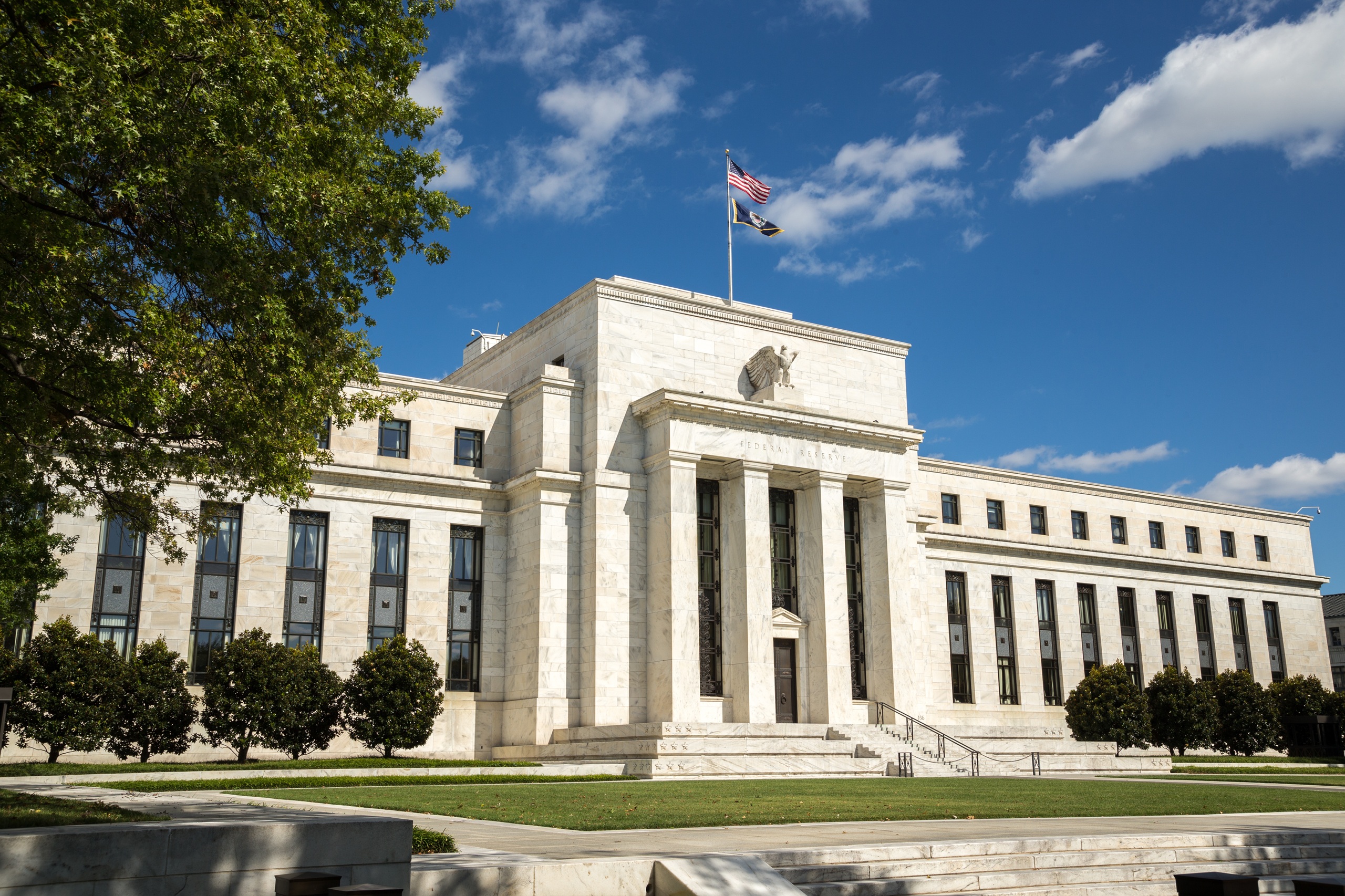
Minneapolis Federal Reserve President Neel Kashkari said inflation remains too high across the U.S. economy, arguing that price pressures extend well beyond the recent jump in oil and energy costs. His comments reinforce the Federal Reserve’s more cautious approach to monetary policy after last week’s rate increase and underline the challenge of containing inflation while economic activity continues to show resilience.
Kashkari Says Inflation Is Broader Than Energy
In a Fox News interview, Kashkari said inflation remains elevated even when volatile energy and food prices are excluded. He pointed to broad price pressures across the economy, including services, suggesting that policymakers cannot treat the recent rise in energy costs as the sole explanation for persistent inflation.
The distinction is important for monetary policy. Energy prices can move sharply because of geopolitical developments and supply disruptions, factors that interest rates cannot directly control. Broader price increases across services and other categories are more closely linked to domestic economic conditions and can be more persistent.
Fed Keeps Policy Restrictive as Inflation Remains Elevated
Kashkari supported the Fed’s unanimous decision last week to raise interest rates by a quarter percentage point, lifting the federal funds target range to 3.75%–4.00%. The move followed a previous meeting in which Kashkari was one of three policymakers who favored a rate increase while the majority of the Federal Open Market Committee voted to leave rates unchanged.
The latest decision signals that inflation remains a central concern for policymakers despite earlier expectations that price pressures would continue to moderate. The higher rate range is intended to restrain demand and prevent elevated inflation from becoming more persistent, while the Fed continues to assess how the economy responds to tighter financial conditions.
Oil Prices Add Another Complication
The inflation outlook has become more difficult as geopolitical tensions in the Middle East have pushed energy prices higher. Kashkari acknowledged that monetary policy alone cannot resolve supply disruptions in global oil markets. Instead, the Fed must distinguish between temporary energy shocks and inflation that is becoming embedded across the broader economy.
At the same time, Kashkari described the U.S. economy as resilient, creating another policy challenge. Strong economic activity can support employment and growth, but sustained demand can also make it harder for inflation to return to the Fed’s 2% target.
Investors will now focus on upcoming inflation, employment and activity data for evidence of whether broader price pressures are easing. Further moves in oil prices, particularly if geopolitical disruptions persist, will add another variable to the policy outlook. The central question for markets is whether the Fed can keep inflation on a sustained downward path while maintaining enough economic momentum to avoid a sharper slowdown.
Comparison, examination, and analysis between investment houses
Leave your details, and an expert from our team will get back to you as soon as possible
* This article, in whole or in part, does not contain any promise of investment returns, nor does it constitute professional advice to make investments in any particular field.
To read more about the full disclaimer, click here
- omer bar
- •
- 6 Min Read
- •
- ago 1 hour
SKN | Social Security 2027 COLA Could Reach 3.6% — How Much Will Retirees Actually Keep?
Social Security recipients could receive their largest cost-of-living adjustment in three years in 2027, with current estimates ranging from 3.5%
- ago 1 hour
- •
- 6 Min Read

Social Security recipients could receive their largest cost-of-living adjustment in three years in 2027, with current estimates ranging from 3.5%
- omer bar
- •
- 8 Min Read
- •
- ago 1 day
SKN | U.S. Budget Deficit Nears $2 Trillion: Is America Entering a New Era of Fiscal Pressure?
The U.S. federal budget deficit reached approximately $1.97 trillion through August, putting the fiscal 2026 shortfall above the full-year
- ago 1 day
- •
- 8 Min Read

The U.S. federal budget deficit reached approximately $1.97 trillion through August, putting the fiscal 2026 shortfall above the full-year

- Lior mor
- •
- 7 Min Read
- •
- ago 1 day
SKN | IMF Warns AI Could Boost European Growth While Creating New Economic Challenges
Artificial intelligence is expected to become an important driver of Europe’s economic transformation, but the International Monetary Fund (IMF)
- ago 1 day
- •
- 7 Min Read

Artificial intelligence is expected to become an important driver of Europe’s economic transformation, but the International Monetary Fund (IMF)

- sagi habasov
- •
- 7 Min Read
- •
- ago 2 days
SKN | Why France’s Bond Risk Premium Has Reached 2012 Levels Amid Growing Fiscal Pressure
France’s government bond market has entered a period of heightened investor scrutiny as the premium required to hold French
- ago 2 days
- •
- 7 Min Read

France’s government bond market has entered a period of heightened investor scrutiny as the premium required to hold French
