





- omer bar
- •
- 7 Min Read
- •
- 2 minutes ago


Key Points
- Brent crude fell 0.9% to $103.89 per barrel, while WTI declined 1.2% to $100.74 as markets assessed diplomatic efforts to reduce supply risks.
- China has asked Iran to limit Houthi attacks on Saudi oil infrastructure, potentially easing pressure around a second major energy-transit chokepoint.
- Despite the decline, oil remains above $100 per barrel, while Saudi production and transportation risks continue to underpin the market.
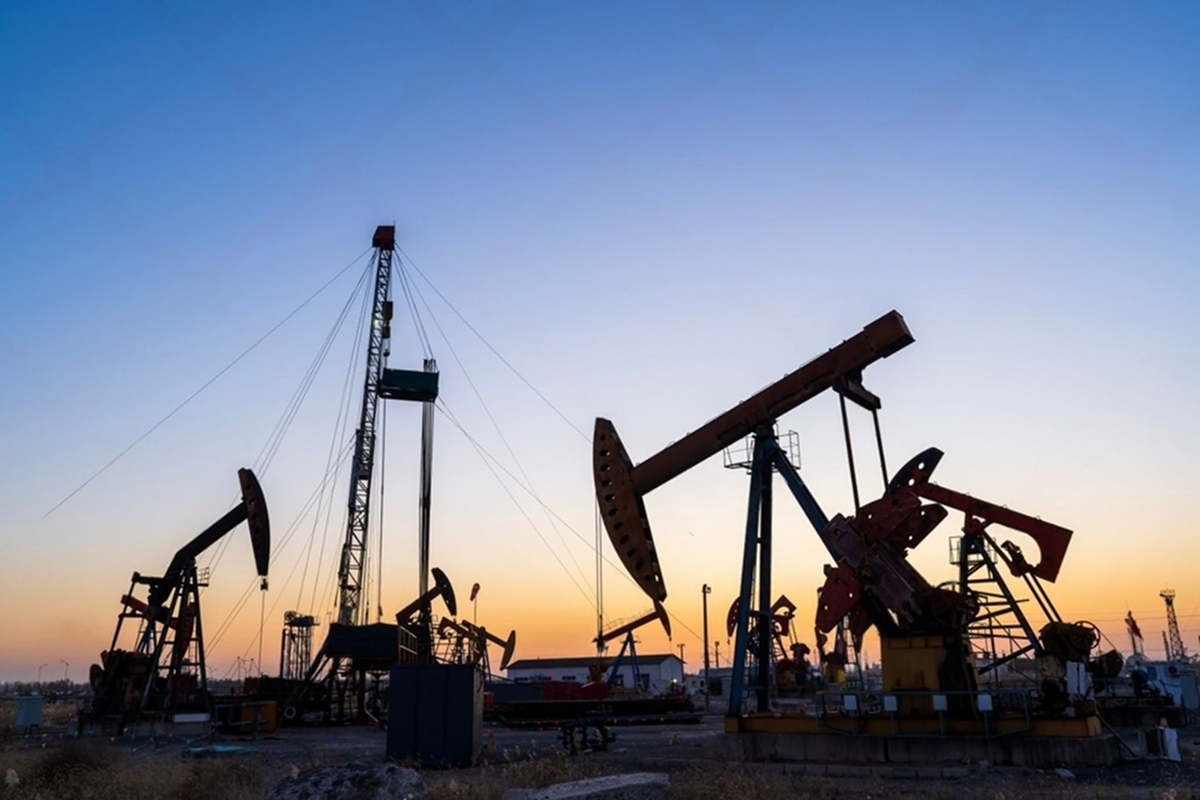
Oil prices moved lower on Friday after China, acting at Saudi Arabia’s request, quietly urged Iran to limit attacks by Houthi forces on Saudi oil infrastructure. The diplomatic outreach eased some concerns about further supply disruptions, although crude remained above $100 per barrel as the market continued to assess risks around the Red Sea and Strait of Hormuz.
Diplomatic Outreach Reduces Immediate Supply Pressure
Brent crude futures fell 93 cents, or 0.9%, to $103.89 a barrel, while US West Texas Intermediate futures declined $1.17, or 1.2%, to $100.74. The move followed several weeks of elevated oil prices as military tensions involving Iran, Saudi Arabia and the Iran-aligned Houthis increased concerns over the security of critical energy infrastructure and shipping routes.
China’s intervention introduces a diplomatic element into an increasingly complex energy-market disruption. By asking Iran to limit Houthi attacks, Beijing is seeking to reduce the risk that additional damage to Saudi infrastructure further constrains crude flows. For the oil market, even the prospect of fewer attacks can reduce part of the geopolitical premium embedded in prices.
Saudi Infrastructure Remains a Critical Market Variable
The diplomatic development does not eliminate the physical risks facing Saudi Arabia’s oil network. Recent attacks damaged three pumping stations connected to the country’s East-West Pipeline, a strategically important route that allows Saudi crude to reach the Red Sea while avoiding the Strait of Hormuz.
The disruption has already affected crude loadings from Yanbu, while Saudi Arabia has been working to maintain exports through alternative arrangements. The uncertainty surrounding the pipeline’s repair timeline means that the market remains highly sensitive to developments affecting Saudi production, storage and export capacity.
This distinction is important for investors. A decline in crude prices caused by improving diplomatic expectations does not necessarily mean that the underlying physical supply constraints have been resolved. The market still needs evidence that oil flows can normalize before the risk premium can unwind more substantially.
Oil Remains Above $100 Despite the Pullback
The latest decline also needs to be viewed against the broader trajectory of the market. Brent remains above $100 per barrel, reflecting the scale of the disruption across major energy corridors. Saudi Arabia and the Houthis exchanged fresh strikes, while concerns surrounding the Red Sea continue to add another layer of uncertainty to global oil transportation.
The situation is particularly significant because the Red Sea has become a second pressure point alongside the Strait of Hormuz. Disruptions at both locations could affect the ability of producers and traders to redirect supplies efficiently, increasing transportation costs and tightening regional availability even when global production itself has not fallen proportionally.
Supply Normalization Becomes the Next Test
For global markets, the immediate question is whether diplomatic outreach can translate into a sustained reduction in attacks and a restoration of normal energy flows. If tensions ease and damaged Saudi infrastructure returns to service, some of the geopolitical risk premium could gradually leave crude prices.
However, renewed attacks, prolonged infrastructure outages or further disruption around the Strait of Hormuz could quickly reverse the latest price decline. Investors will therefore be watching Saudi export volumes, pipeline repairs, Red Sea shipping activity and developments involving Iran and the Houthis. The direction of these physical indicators will be more important than a single day’s price movement in determining whether oil can move decisively below current elevated levels.
Comparison, examination, and analysis between investment houses
Leave your details, and an expert from our team will get back to you as soon as possible
* This article, in whole or in part, does not contain any promise of investment returns, nor does it constitute professional advice to make investments in any particular field.
To read more about the full disclaimer, click here
- Ronny Mor
- •
- 7 Min Read
- •
- ago 2 minutes
SKN | Gold Reaches One-Week High as Lower Oil Prices Ease Inflation Concerns
Gold prices climbed to a one-week high on Friday as retreating oil prices eased concerns over a prolonged inflation
- ago 2 minutes
- •
- 7 Min Read

Gold prices climbed to a one-week high on Friday as retreating oil prices eased concerns over a prolonged inflation

- Arik Arkadi Sluzki
- •
- 7 Min Read
- •
- ago 2 minutes
SKN | Aramco Halts Some October Europe Crude Deliveries as Saudi Pipeline Disruption Deepens
Saudi Arabia's oil supply disruption is moving beyond individual cargo cancellations, with Saudi Aramco reportedly telling at least two
- ago 2 minutes
- •
- 7 Min Read

Saudi Arabia's oil supply disruption is moving beyond individual cargo cancellations, with Saudi Aramco reportedly telling at least two

- Lior mor
- •
- 7 Min Read
- •
- ago 2 minutes
SKN | Volkswagen Cuts Profit Outlook as Porsche Crisis Deepens and €10 Billion Hit Looms
Volkswagen's financial pressures have intensified after the German automaker warned of approximately €10 billion in one-off costs, largely tied
- ago 2 minutes
- •
- 7 Min Read

Volkswagen's financial pressures have intensified after the German automaker warned of approximately €10 billion in one-off costs, largely tied

- sagi habasov
- •
- 6 Min Read
- •
- ago 3 minutes
SKN | Euro Shows Resilience as Key Support Holds Against Dollar Pressure
The euro has faced a difficult 2026, pressured by the Iran war, elevated oil prices and shifting expectations for
- ago 3 minutes
- •
- 6 Min Read

The euro has faced a difficult 2026, pressured by the Iran war, elevated oil prices and shifting expectations for

