




- sagi habasov
- •
- 6 Min Read
- •
- 6 seconds ago


Key Points
- Nvidia CEO Jensen Huang expects the company to sell roughly twice as many chips next year compared with the current year, driven by expanding artificial intelligence demand.
- AI adoption is spreading across industries and economies, increasing demand for advanced computing infrastructure.
- The semiconductor market continues to focus on whether AI investment can sustain long-term growth across technology sectors.
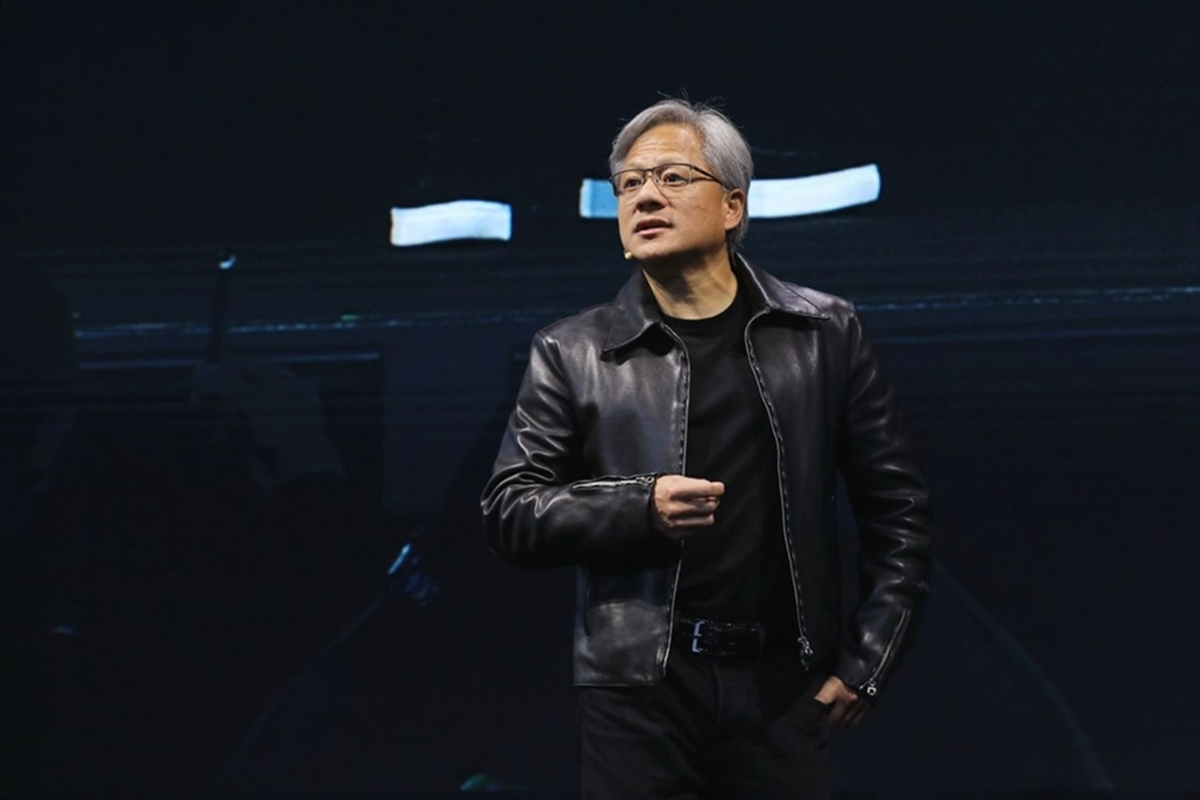
Nvidia CEO Jensen Huang said the company expects to sell approximately twice as many chips next year as it does this year, highlighting the continued expansion of artificial intelligence infrastructure spending. The statement reflects the broader transformation taking place across the global technology sector, where companies and governments are increasing investment in advanced computing capacity.
AI Infrastructure Demand Becomes a Major Growth Driver for Nvidia
Nvidia has emerged as one of the central suppliers in the artificial intelligence computing ecosystem, providing advanced graphics processing units (GPUs) used for training and running large AI models. According to Huang, demand is being supported by the broad economic impact of AI adoption, with companies across multiple industries investing in new computing capabilities.
The rapid expansion of AI workloads has created strong demand for high-performance chips, data centers and networking infrastructure. Nvidia’s position in the AI semiconductor market has made its product availability and sales outlook a key indicator for the broader technology sector.
Global Companies Continue Expanding Artificial Intelligence Investment
The AI investment cycle has expanded beyond traditional technology companies, with businesses in finance, healthcare, manufacturing, energy and other sectors exploring AI applications. This wider adoption has increased demand for computing resources as organizations seek to integrate AI tools into operations and decision-making processes.
Huang’s comments reflect Nvidia’s view that AI is becoming a foundational technology similar to previous major computing shifts. However, the sustainability of this growth will depend on factors including enterprise adoption rates, infrastructure spending, semiconductor supply capacity and the ability of companies to generate measurable returns from AI investments.
Semiconductor Market Watches Supply, Competition and Long-Term AI Growth
The expected increase in chip shipments also highlights challenges facing the semiconductor industry. Advanced AI processors require complex manufacturing processes, significant capital investment and specialized supply chains involving companies such as Taiwan Semiconductor Manufacturing Company (TSMC) and advanced packaging providers.
At the same time, competition is increasing as major technology companies develop their own AI chips and alternative computing solutions. While Nvidia remains a key player in the current AI infrastructure market, the industry is evolving rapidly as companies seek greater efficiency and customized hardware.
Going forward, investors will continue monitoring AI chip demand, data center expansion, semiconductor capacity and enterprise adoption trends to assess the next phase of the artificial intelligence investment cycle. Nvidia’s ability to maintain growth will depend not only on demand for its processors but also on how quickly AI becomes integrated into global business operations.
Comparison, examination, and analysis between investment houses
Leave your details, and an expert from our team will get back to you as soon as possible
* This article, in whole or in part, does not contain any promise of investment returns, nor does it constitute professional advice to make investments in any particular field.
To read more about the full disclaimer, click here
- sagi habasov
- •
- 5 Min Read
- •
- ago 56 minutes
SKN | AMD Faces Potential Chip Price Increase as TSMC Costs Rise: What Does It Mean for the AI Semiconductor Market?
AMD is reportedly preparing a broad pricing adjustment for several semiconductor products as manufacturing expenses at Taiwan Semiconductor Manufacturing
- ago 56 minutes
- •
- 5 Min Read
AMD is reportedly preparing a broad pricing adjustment for several semiconductor products as manufacturing expenses at Taiwan Semiconductor Manufacturing

- omer bar
- •
- 6 Min Read
- •
- ago 2 hours
SKN | China Reduces U.S. Treasury Holdings to Lowest Level Since 2008: What Does It Mean for Global Markets?
China’s declining holdings of U.S. Treasury securities are drawing renewed attention from global investors as the world’s second-largest economy
- ago 2 hours
- •
- 6 Min Read

China’s declining holdings of U.S. Treasury securities are drawing renewed attention from global investors as the world’s second-largest economy

- Ronny Mor
- •
- 6 Min Read
- •
- ago 2 hours
SKN | Nasdaq 100 Futures Rebound After Rate-Hike Selloff: Are Investors Reassessing the Technology Outlook?
Nasdaq 100 futures moved higher after a sharp market selloff linked to renewed interest-rate concerns, with investors returning to
- ago 2 hours
- •
- 6 Min Read

Nasdaq 100 futures moved higher after a sharp market selloff linked to renewed interest-rate concerns, with investors returning to

- Lior mor
- •
- 7 Min Read
- •
- ago 3 hours
SKN | GlobalFoundries and Marvell Expand Chip Capacity to Meet AI Data Center Demand
GlobalFoundries and Marvell Technology are expanding their manufacturing agreement as the rapid buildout of artificial intelligence data centers increases
- ago 3 hours
- •
- 7 Min Read
GlobalFoundries and Marvell Technology are expanding their manufacturing agreement as the rapid buildout of artificial intelligence data centers increases
