




- Arik Arkadi Sluzki
- •
- 8 Min Read
- •
- 1 minute ago


Key Points
- Oil prices above $100 a barrel and rising global borrowing costs are increasing pressure on inflation while creating potential headwinds for economic growth.
- Euro zone inflation accelerated to 3.3% in August from 2.9% in July, while markets are pricing almost one percentage point of additional ECB rate increases over the next year.
- Despite resilient growth and strong AI-related investment, higher energy and financing costs are raising concerns about the durability of global economic expansion.
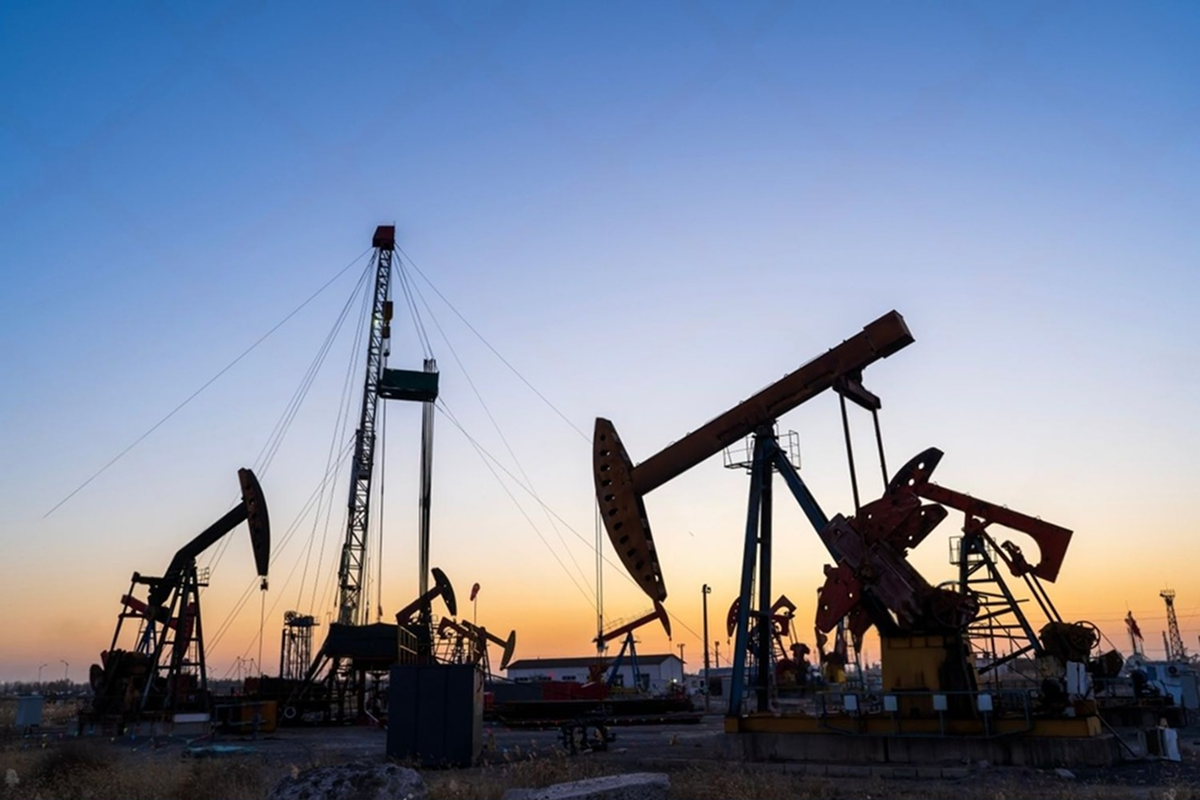
Global financial markets are moving closer to a potentially difficult combination of higher inflation and slower economic growth as the Middle East conflict pushes energy prices higher and government bond yields remain elevated. Stocks have so far remained relatively resilient, supported in part by strong investment in artificial intelligence, but rising energy and financing costs are beginning to challenge that stability.
Energy Shock Reignites Inflation Pressure
Oil markets remain at the center of the inflation risk. Brent crude has returned above $100 a barrel, roughly 50% above its level before the war, while disruptions to regional supply routes continue to create uncertainty over future availability. Options markets show traders placing their largest bets around Brent remaining at $100 by the end of December, although significant positioning around substantially lower prices highlights the unusually wide range of possible outcomes.
The pressure extends beyond crude. Diesel prices are approaching record levels, jet fuel prices have doubled from February levels, and European natural gas prices have reached their highest level since 2022. These increases can feed directly into transportation, manufacturing and household energy costs, making the inflation shock broader than movements in crude alone.
Central Banks Face a More Difficult Policy Trade-Off
The renewed energy shock is already changing expectations for monetary policy. Euro zone annual inflation accelerated to 3.3% in August from 2.9% in July, significantly above the European Central Bank’s 2% target. The ECB has also raised its inflation projection for next year to an average of 2.5%, while markets are pricing almost one percentage point of additional rate increases over the coming year.
The Federal Reserve has also shifted toward tighter policy, raising its benchmark rate by 25 basis points on Wednesday to 3.75%–4.00%. Sixteen of 18 Fed policymakers expect at least one further increase before the end of 2026. The combination of higher energy prices and tighter monetary policy creates a difficult environment because central banks must contain inflation without unnecessarily weakening demand.
Bond Yields Increase the Growth Burden
Higher interest rates are being reinforced by a global bond selloff that has pushed government yields toward levels associated with previous financial crises. The U.S. 10-year Treasury yield recently moved above 5%, while higher sovereign yields globally are raising financing costs for companies, households and governments.
The transmission into the real economy is becoming more visible. The average U.S. 30-year mortgage rate has risen above 6.7%, its highest level since June 2025, increasing the cost of housing finance. Higher debt-servicing costs can also reduce household spending and corporate investment, particularly if elevated yields persist for an extended period.
AI Investment Provides a Buffer, but Consumers Face Pressure
Economic activity has remained relatively resilient despite the worsening energy and financial backdrop. Purchasing managers’ indexes indicated continued expansion in the United States and Europe during July and August, while U.S. retail sales exceeded expectations in August. S&P 500 companies are also expected to have recorded 53% year-on-year earnings growth in the second quarter, according to LSEG I/B/E/S data.
However, consumer-facing sectors are showing signs of strain. U.S. consumer discretionary stocks have underperformed the broader market this year, while European discretionary shares have also recorded significant declines. Higher fuel, energy and borrowing costs can encourage households to save rather than spend, creating a potential feedback loop between inflation and weaker demand.
Going forward, markets will watch oil prices, inflation expectations, government bond yields and consumer spending for evidence of whether current pressures remain contained or begin to weaken economic activity. The ability of AI-related investment and corporate earnings to offset higher energy and financing costs will be particularly important. For global and Israeli investors, the central risk is whether the current orderly repricing evolves into a broader stagflationary environment in which inflation remains elevated while growth loses momentum.
Comparison, examination, and analysis between investment houses
Leave your details, and an expert from our team will get back to you as soon as possible
* This article, in whole or in part, does not contain any promise of investment returns, nor does it constitute professional advice to make investments in any particular field.
To read more about the full disclaimer, click here
- omer bar
- •
- 6 Min Read
- •
- ago 15 hours
SKN | Jamie Dimon Warns Inflation May Not Be Defeated as Fed Raises Rates
JPMorgan CEO Jamie Dimon is warning that the battle against U.S. inflation may not yet be over, adding another layer
- ago 15 hours
- •
- 6 Min Read

JPMorgan CEO Jamie Dimon is warning that the battle against U.S. inflation may not yet be over, adding another layer

- Ronny Mor
- •
- 6 Min Read
- •
- ago 16 hours
SKN | Oil Prices Slide as Saudi Arabia Moves to Restore Key East-West Pipeline
Oil prices extended their sharpest decline in more than six weeks as expectations of a partial restart of Saudi Arabia’s
- ago 16 hours
- •
- 6 Min Read

Oil prices extended their sharpest decline in more than six weeks as expectations of a partial restart of Saudi Arabia’s
- omer bar
- •
- 7 Min Read
- •
- ago 19 hours
SKN | Wall Street Ends Lower as Fed Raises Rates and Signals Further Tightening
U.S. stocks ended lower on September 16 after the Federal Reserve raised interest rates for the first time in
- ago 19 hours
- •
- 7 Min Read

U.S. stocks ended lower on September 16 after the Federal Reserve raised interest rates for the first time in

- Lior mor
- •
- 7 Min Read
- •
- ago 19 hours
SKN | Oil Prices Retreat as Saudi Arabia Offers Additional Crude Through Oman
Oil prices retreated on September 16 as indications of additional Saudi crude exports through Oman reduced some concerns over
- ago 19 hours
- •
- 7 Min Read
Oil prices retreated on September 16 as indications of additional Saudi crude exports through Oman reduced some concerns over
