





- Lior mor
- •
- 7 Min Read
- •
- 25 seconds ago


Key Points
- The bond market is showing signs of becoming more resilient after a prolonged period of rising yields and declining prices.
- The concept of “escape velocity” highlights how sufficiently high bond yields can begin to offset interest-rate sensitivity and provide greater protection against further rate increases.
- For Israeli and global investors, the outlook remains dependent on inflation, central bank policy, fiscal conditions, and the direction of long-term government bond yields.
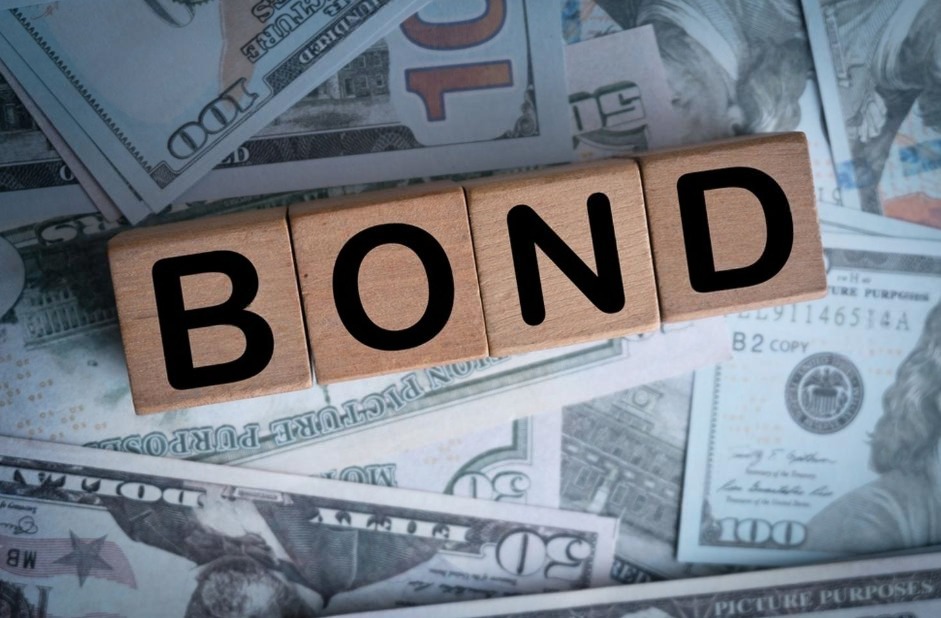
The global bond market is entering a potentially important phase as elevated yields increasingly change the risk-reward equation for fixed-income investors. After years in which low yields left bond portfolios particularly vulnerable to rising interest rates, higher starting yields can provide a larger income cushion, raising the possibility that parts of the market are approaching what analysts describe as “escape velocity.”
The concept does not imply that bond prices can no longer decline. Rather, it describes a point at which the income generated by a bond, combined with the passage of time toward maturity, can increasingly offset losses caused by further increases in market yields. Morningstar has highlighted the relationship between starting yield and duration as a key factor in determining when this threshold is reached.
Why Higher Yields Are Changing Bond Economics
Bond prices and yields move in opposite directions, meaning that the sharp increase in global interest rates over recent years produced significant mark-to-market losses for many fixed-income portfolios. However, higher yields also mean that newly purchased bonds generate larger coupon and income streams. This creates a more substantial cushion against future price declines, particularly for shorter-duration securities.
The concept of escape velocity becomes especially relevant when a bond’s yield exceeds its interest-rate sensitivity as measured by duration. Under those circumstances, a further rise in yields can still produce an immediate price decline, but the income earned over time may be sufficient to produce a positive overall return. The threshold varies across maturities and individual securities rather than representing a universal turning point for the entire bond market.
Short Duration Remains an Important Part of the Equation
The distinction between short- and long-duration bonds remains critical. Historically, higher yields have provided the strongest protection in shorter-maturity securities because their sensitivity to changes in interest rates is comparatively limited. Morningstar’s analysis found that, in the 2023 rate environment, short-term bonds with durations below three years were generally the segment closest to achieving escape velocity.
Longer-duration government bonds remain more exposed to changes in inflation expectations, fiscal policy, term premiums, and central bank guidance. A renewed increase in long-term yields could therefore generate meaningful price volatility even if the broader fixed-income market remains attractive from an income perspective.
Implications for Israeli and Global Asset Allocators
For Israeli investors, the changing bond environment is relevant because international fixed-income exposure has become an increasingly important component of diversified portfolios. U.S. Treasuries, European government bonds, and global investment-grade credit can provide income and diversification, although returns for Israeli investors are also affected by shekel currency movements and hedging costs.
The broader macroeconomic picture remains mixed. Moderating inflation could eventually allow central banks to reduce policy rates, supporting bond prices, while persistent fiscal deficits, geopolitical risk premiums, or stronger-than-expected economic activity could keep long-term yields elevated. These opposing forces make the distinction between current income and future price appreciation increasingly important for professional asset allocators.
Outlook: The bond market’s potential move toward “escape velocity” could represent an important structural improvement in the risk profile of selected fixed-income assets, but the transition is unlikely to be uniform. Investors will continue to monitor inflation data, central bank guidance, government borrowing requirements, Treasury issuance, and long-term yield curves. A sustained decline in inflation and greater monetary-policy clarity could strengthen the case for broader bond-market stabilization, while renewed fiscal pressure, geopolitical shocks, or persistent inflation could delay that process. For Israeli and global portfolios, the key question is increasingly not simply whether yields will rise or fall, but whether current income levels provide sufficient protection against the risks embedded in future interest-rate movements.
Comparison, examination, and analysis between investment houses
Leave your details, and an expert from our team will get back to you as soon as possible
* This article, in whole or in part, does not contain any promise of investment returns, nor does it constitute professional advice to make investments in any particular field.
To read more about the full disclaimer, click here
- Ronny Mor
- •
- 6 Min Read
- •
- ago 2 hours
SKN | 5% Treasury Yields Reshape Equity Valuations as Investors Reassess Rate-Sensitive Stocks
The U.S. bond market moved to the center of global investor attention this week as the 10-year Treasury yield
- ago 2 hours
- •
- 6 Min Read

The U.S. bond market moved to the center of global investor attention this week as the 10-year Treasury yield

- omer bar
- •
- 6 Min Read
- •
- ago 3 hours
SKN | 10-Year Treasury Yield Hits 2007 High as Oil Above $100 Revives Inflation and Rate Risks
The U.S. Treasury market has entered a more challenging phase as the 10-year Treasury yield moved above 5%, reaching
- ago 3 hours
- •
- 6 Min Read

The U.S. Treasury market has entered a more challenging phase as the 10-year Treasury yield moved above 5%, reaching

- sagi habasov
- •
- 7 Min Read
- •
- ago 6 hours
SKN | Surging U.S. Treasury Yields Put Equity Valuations Under Pressure as Inflation Risks Return
The U.S. Treasury market came under renewed pressure during the week, with rising yields becoming an increasingly important source
- ago 6 hours
- •
- 7 Min Read

The U.S. Treasury market came under renewed pressure during the week, with rising yields becoming an increasingly important source
- sagi habasov
- •
- 8 Min Read
- •
- ago 20 hours
SKN | Dollar Strengthens as Middle East Conflict Lifts Oil and Fed Decision Looms
The US dollar strengthened broadly on September 14 as the continuing Middle East conflict pushed oil prices higher and
- ago 20 hours
- •
- 8 Min Read

The US dollar strengthened broadly on September 14 as the continuing Middle East conflict pushed oil prices higher and

