




- sagi habasov
- •
- 6 Min Read
- •
- 17 seconds ago


Key Points
- Ford is recalling 223,472 vehicles in the United States over fuel tanks that may leak or become improperly secured.
- Certain 2023–2027 F-150 models are affected, with potential risks including engine stalls, fires and road hazards.
- Dealers will inspect and replace fuel tank straps where necessary at no cost to vehicle owners.
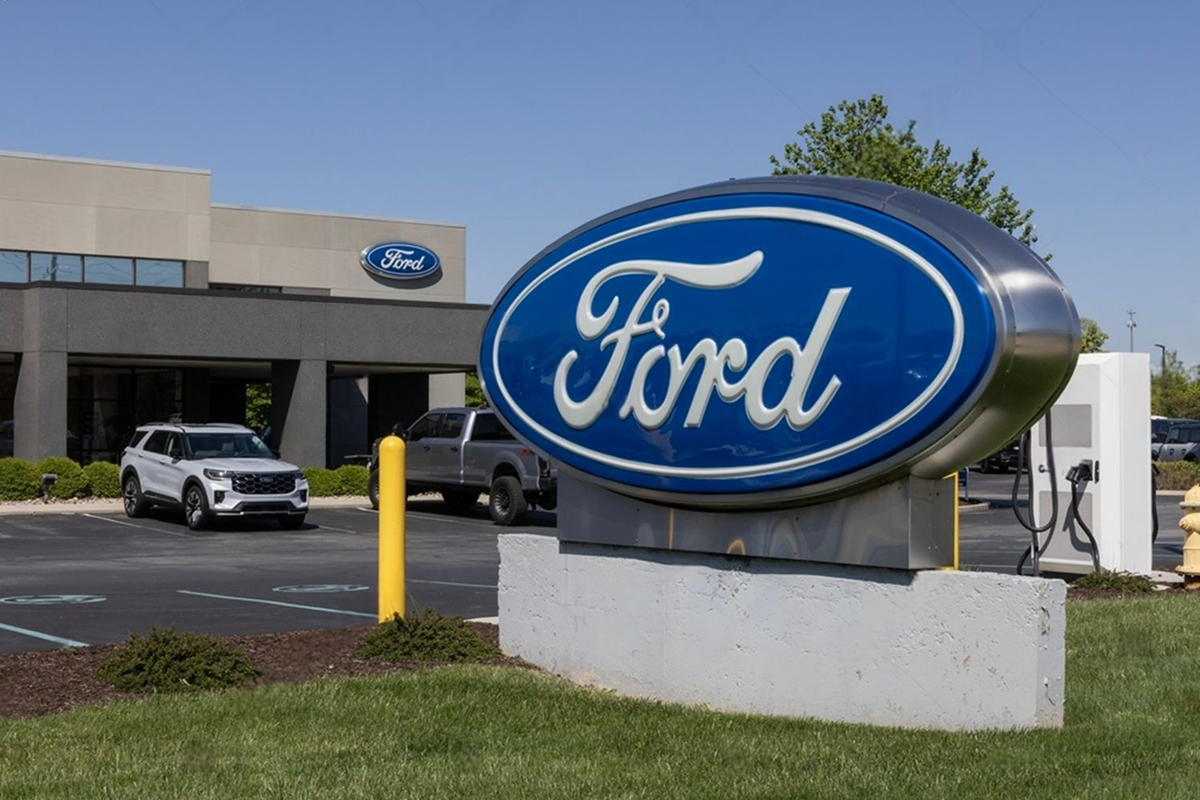
Ford is recalling 223,472 vehicles in the United States after regulators identified potential problems involving fuel tanks that could leak or detach while the vehicle is being driven. The recall adds another quality-control issue to the operational and regulatory risks facing major automakers, where large vehicle populations can turn relatively narrow component defects into costly safety campaigns.
Fuel Tank Defect Creates Multiple Safety Risks
According to the U.S. National Highway Traffic Safety Administration, the affected vehicles have leaky or improperly secured fuel tanks that could potentially separate from the vehicle while in motion. A detached tank could become a road hazard and increase the likelihood of a crash, while a fuel leak could cause an engine stall or increase the risk of fire.
The recall covers certain 2023–2027 Ford F-150 vehicles, one of the company’s most important product lines in the U.S. market. The scale of the campaign is significant in absolute terms, although the regulatory notice does not indicate that every vehicle included in the recall has experienced a failure.
Why the Recall Matters for Ford’s Operating Risk
Automotive recalls carry costs beyond the direct expense of replacing defective components. Manufacturers can face inspection and repair expenses, administrative costs, supplier-related investigations and potential warranty or liability exposure. The financial impact can therefore extend beyond the immediate repair campaign, particularly when a recall involves a high-volume model.
For Ford, the F-150’s importance makes quality control particularly relevant. The pickup is a core part of the company’s North American business, meaning that maintaining reliability across large production volumes is important not only for customer confidence but also for controlling warranty and regulatory expenses.
Free Repairs Shift the Immediate Cost to Ford
Ford dealers will inspect the affected vehicles and replace fuel tank straps where necessary free of charge. The remedy is intended to address the securing issue identified by regulators while also allowing dealers to determine whether individual vehicles require replacement components.
For vehicle owners, the immediate economic impact is therefore limited because the repair is covered by Ford. For the manufacturer, however, the campaign represents another operational obligation requiring parts availability, dealer capacity and coordination across a substantial vehicle population.
What Investors Will Watch Next
The next stage will be the implementation of the recall and the identification of how many vehicles ultimately require component replacement. Investors will also watch for any expansion of the affected vehicle population, additional regulatory action or evidence of broader manufacturing or supplier issues.
More broadly, the recall highlights the continuing importance of product quality, manufacturing controls and regulatory compliance in the global automotive industry. As automakers manage complex supply chains and increasingly sophisticated vehicle platforms, the ability to detect defects early and execute efficient remediation remains an important component of operating performance and reputational risk.
Comparison, examination, and analysis between investment houses
Leave your details, and an expert from our team will get back to you as soon as possible
* This article, in whole or in part, does not contain any promise of investment returns, nor does it constitute professional advice to make investments in any particular field.
To read more about the full disclaimer, click here
- omer bar
- •
- 7 Min Read
- •
- ago 13 minutes
SKN | DAX P Rebounds 0.82% to 25,568.56: Are German Blue-Chips Finding a Floor Despite 1.83% Weekly Contraction?
The DAX P Index (^GDAXI) exhibited defensive structural resilience to close out the trading week on the XETRA exchange, advancing
- ago 13 minutes
- •
- 7 Min Read

The DAX P Index (^GDAXI) exhibited defensive structural resilience to close out the trading week on the XETRA exchange, advancing

- Lior mor
- •
- 7 Min Read
- •
- ago 2 hours
SKN | CBOE Volatility Index (^VIX) Plunges 11.21% Daily to 15.84: Is Wall Street Fear Receding as Equity Volatility Normalizes?
The CBOE Volatility Index (^VIX) experienced a sharp downside repricing to end the trading week, falling 11.21% (2.00 points)
- ago 2 hours
- •
- 7 Min Read

The CBOE Volatility Index (^VIX) experienced a sharp downside repricing to end the trading week, falling 11.21% (2.00 points)

- Arik Arkadi Sluzki
- •
- 6 Min Read
- •
- ago 2 hours
SKN | US Dollar Index (DX-Y.NYB) Settles at 99.10: Is Greenback Consolidation Base Building Ahead of Federal Reserve Policy Signals?
The US Dollar Index (DX-Y.NYB) exhibited range-bound consolidation over the trading week, ultimately settling at 99.10 to record a
- ago 2 hours
- •
- 6 Min Read

The US Dollar Index (DX-Y.NYB) exhibited range-bound consolidation over the trading week, ultimately settling at 99.10 to record a

- sagi habasov
- •
- 6 Min Read
- •
- ago 3 hours
SKN | Russell 2000 Rebounds 0.45% to 2,903.94: Are U.S. Small-Cap Equities Finding Support Near 2,900 Despite 2.17% Weekly Contraction?
The Russell 2000 Index (^RUT) exhibited defensive structural resilience to close out the trading week, advancing 0.45% on Friday
- ago 3 hours
- •
- 6 Min Read
The Russell 2000 Index (^RUT) exhibited defensive structural resilience to close out the trading week, advancing 0.45% on Friday
