





- omer bar
- •
- 7 Min Read
- •
- 4 weeks ago


Key Points
- Ford is facing intensifying criticism from U.S. officials over its relationships with Chinese companies including CATL, Geely and BYD.
- The dispute highlights a growing tension between Washington’s push to reduce Chinese influence and Ford’s need to access competitive technology and maintain its position in global markets.
- Ford shares fell about 4% as investors assessed the potential implications for the company’s supply chain, international strategy and U.S. regulatory exposure.
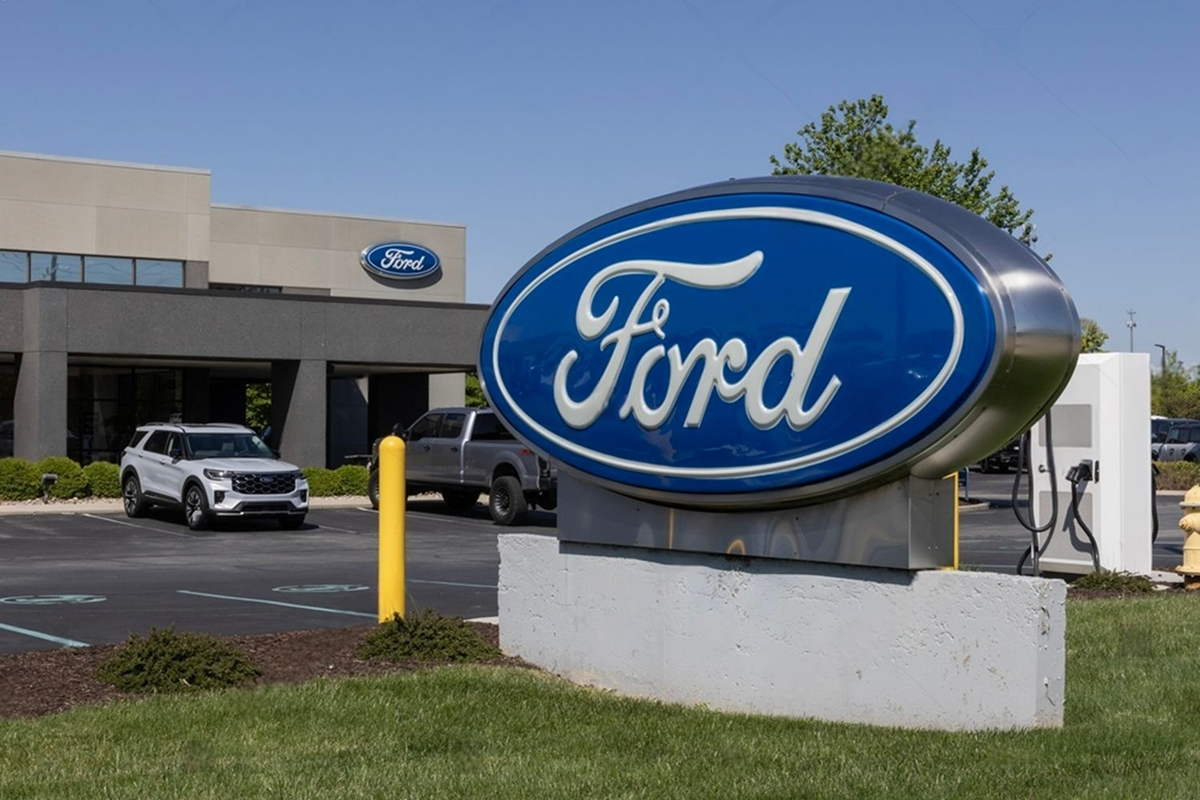
Ford Motor is increasingly caught between Washington’s national-security agenda toward China and the commercial realities of the global automotive industry. The latest dispute has placed the automaker’s Chinese partnerships under renewed political scrutiny, adding another layer of policy uncertainty for an industry already navigating tariffs, supply-chain restructuring and the rapid expansion of Chinese automotive technology.
Washington Escalates Pressure on Ford
The confrontation intensified after U.S. Transportation Secretary Sean Duffy criticized Ford’s relationships with Chinese companies and urged the automaker to reconsider several of its arrangements. The concerns include Ford’s use of licensed battery technology from CATL at its Michigan facility, its partnership with Geely in Europe and discussions involving BYD. Republican lawmakers have also increased pressure on the company, arguing that deeper commercial ties with Chinese firms could undermine U.S. industrial and national-security objectives.
Ford has pushed back against the criticism, arguing that its Michigan battery facility is fully owned and operated by the company and employs American workers. Chief Executive Jim Farley has also rejected claims that Ford is seeking to facilitate broader access for Chinese automakers to the U.S. market.
The Strategic Dilemma Behind Ford’s China Ties
The dispute reflects a much broader strategic problem facing Western automakers. China has developed substantial advantages in electric vehicles, batteries, manufacturing scale and cost efficiency, creating pressure on global manufacturers to access Chinese technology while simultaneously limiting their exposure to Chinese competitors.
Ford’s partnership with Geely in Spain illustrates the dilemma. The companies plan to use Ford’s Valencia facility for low- and zero-emission vehicles, with Ford holding a 66% stake and Geely 34%. Production of new models is expected to begin from 2028. For Ford, the arrangement is part of an effort to improve competitiveness in Europe, where Chinese manufacturers are expanding their presence rapidly.
At the same time, Ford has been outspoken about the competitive threat posed by Chinese automakers and supports measures designed to restrict their access to the U.S. market. That apparent contradiction is now attracting greater attention from policymakers and investors.
Investor Focus Shifts to Policy and Supply-Chain Risk
The market reaction demonstrates how geopolitical policy can increasingly affect individual automotive stocks. Ford shares declined roughly 4% during the latest escalation, reflecting concerns that political criticism could eventually translate into restrictions on technology licensing, manufacturing arrangements or international partnerships.
The issue also comes against a challenging financial backdrop for Ford. The company reported a $19.5 billion loss related to its electric-vehicle investments last year, underscoring the capital intensity of competing in the transition toward electrification. Access to competitive battery technology and manufacturing expertise therefore remains strategically important, even as Washington seeks greater separation from Chinese supply chains.
Ford’s next challenge will be navigating an increasingly fragmented policy environment. Investors will be watching whether the dispute remains political rhetoric or develops into concrete regulatory action, while also tracking Ford’s European strategy, domestic battery production and plans to shift additional vehicle manufacturing from China to the United States. The broader outcome could become an important test of how American manufacturers balance national-security demands with the technological and cost pressures of global competition.
Comparison, examination, and analysis between investment houses
Leave your details, and an expert from our team will get back to you as soon as possible
* This article, in whole or in part, does not contain any promise of investment returns, nor does it constitute professional advice to make investments in any particular field.
To read more about the full disclaimer, click here
- sagi habasov
- •
- 6 Min Read
- •
- ago 1 day
SKN | Michael Dell Defends Trump Accounts’ Shift to Individual Stocks as Critics Warn of Concentration Risks
Trump Accounts are entering a new phase as the U.S. Treasury expands the program to nearly 70 million children and
- ago 1 day
- •
- 6 Min Read

Trump Accounts are entering a new phase as the U.S. Treasury expands the program to nearly 70 million children and
- sagi habasov
- •
- 6 Min Read
- •
- ago 2 days
SKN | S&P 500 and Nasdaq Reach Record Closing Highs as Investors Turn to Earnings
U.S. stocks ended higher on Tuesday, with the S&P 500 and Nasdaq reaching record closing highs as easing Treasury
- ago 2 days
- •
- 6 Min Read

U.S. stocks ended higher on Tuesday, with the S&P 500 and Nasdaq reaching record closing highs as easing Treasury
- sagi habasov
- •
- 6 Min Read
- •
- ago 3 days
SKN | Boeing’s $14.7 Billion PAC-3 Contract Puts Defense Production in Focus
Boeing has secured an approximately $14.7 billion seven-year contract from Lockheed Martin to scale production and deliver seekers for the
- ago 3 days
- •
- 6 Min Read
Boeing has secured an approximately $14.7 billion seven-year contract from Lockheed Martin to scale production and deliver seekers for the

- omer bar
- •
- 6 Min Read
- •
- ago 3 days
SKN | Nasdaq Hits Record High as Investors Turn Focus to Earnings and Fed Policy
The Nasdaq reached a record high on Monday as technology stocks regained momentum and investors shifted their attention toward
- ago 3 days
- •
- 6 Min Read

The Nasdaq reached a record high on Monday as technology stocks regained momentum and investors shifted their attention toward

