





- sagi habasov
- •
- 6 Min Read
- •
- 1 month ago


Key Points
- GM and Ford are redirecting battery manufacturing capabilities toward grid-scale energy storage as U.S. EV demand and battery utilization face pressure.
- Ford plans to build battery energy storage systems with annual capacity of 20 GWh, while GM is expanding into both second-life batteries and purpose-built stationary storage.
- Rising electricity demand from AI data centers and industrial users is creating a new market for battery manufacturers beyond electric vehicles.
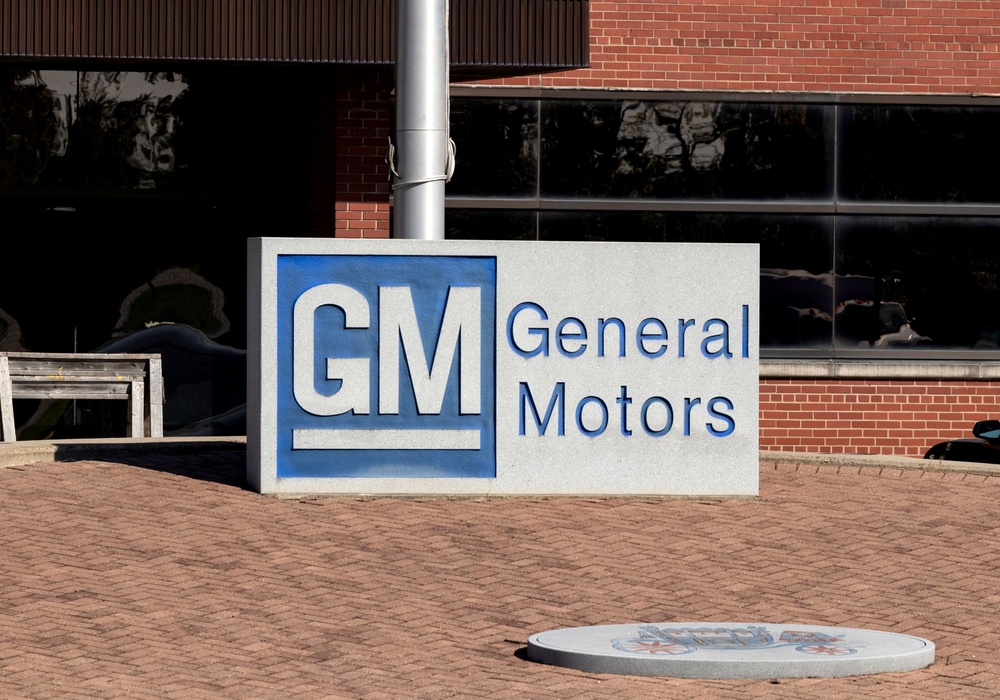
General Motors and Ford are reshaping their battery strategies as the economics of the U.S. electric-vehicle market become more challenging. Rather than allowing underused EV battery capacity to become a stranded investment, both automakers are targeting the rapidly expanding energy-storage market, where utilities, data centers and industrial customers need additional electricity capacity and grid flexibility.
Ford Builds a Dedicated Energy Storage Business
Ford has moved aggressively to establish battery storage as a new business alongside its automotive operations. The company plans to use battery manufacturing facilities in Kentucky and Michigan to produce battery energy storage systems for utilities, data centers and other large power users, with an annual production target of 20 gigawatt-hours and initial shipments scheduled for 2027.
The strategy also gives Ford a way to make productive use of battery infrastructure originally developed around EV production. Ford has said it expects to invest about $2 billion over two years to scale the business, while its Kentucky operations are being positioned around lithium iron phosphate, or LFP, battery technology. LFP is widely used in stationary storage because of its cost, durability and thermal characteristics.
GM Expands From EV Batteries Into the Grid
GM is pursuing a broader approach that combines new battery production, second-life EV batteries and vehicle-to-grid technology. In 2026, the automaker announced plans to develop sodium-ion batteries specifically for stationary storage in partnership with Peak Energy, while also expanding its collaboration with Redwood Materials.
GM and Redwood plan to deploy roughly 100 repurposed GM battery packs at a Michigan manufacturing facility. The system is expected to provide 1.5 megawatts and 7.2 megawatt-hours of dispatchable energy and save more than $3 million in electricity costs over its lifetime. GM also says roughly 10,000 of its batteries are being deployed into energy infrastructure, including systems supporting AI data-center operations.
The strategy reflects an important shift in battery economics. EV batteries prioritize energy density, low weight and driving range, while stationary storage places greater emphasis on longevity, cycle life and cost efficiency. By developing different chemistries for different applications, GM is attempting to extend its battery expertise beyond transportation.
AI Power Demand Creates a New Market for Batteries
The shift comes as electricity demand is accelerating, particularly from AI data centers and other power-intensive infrastructure. This creates an opportunity for automakers that have already invested heavily in battery engineering, manufacturing facilities and supply chains to address a market outside traditional vehicle sales.
The challenge is that converting EV-oriented production to stationary storage is neither immediate nor guaranteed to deliver attractive returns. Battery manufacturers face competition from established energy-storage suppliers and Chinese producers, while project economics depend on electricity prices, financing costs, technology performance and access to customers.
The next stage of the strategy will therefore depend on whether GM and Ford can translate existing battery capacity into commercially competitive storage systems. Customer contracts, factory utilization, deployment costs and the pace of data-center power demand will be key indicators of whether energy storage becomes a meaningful new earnings opportunity or primarily a way to reduce the financial burden of excess EV-related capacity.
Comparison, examination, and analysis between investment houses
Leave your details, and an expert from our team will get back to you as soon as possible
* This article, in whole or in part, does not contain any promise of investment returns, nor does it constitute professional advice to make investments in any particular field.
To read more about the full disclaimer, click here
- Ronny Mor
- •
- 6 Min Read
- •
- ago 55 minutes
SKN | Tesla Rebrands Full Self-Driving as Assisted Driving in Europe Amid Regulatory Push
Tesla has changed the name of its Full Self-Driving software to Tesla Assisted Driving across its European websites, marking
- ago 55 minutes
- •
- 6 Min Read
Tesla has changed the name of its Full Self-Driving software to Tesla Assisted Driving across its European websites, marking

- omer bar
- •
- 7 Min Read
- •
- ago 18 hours
SKN | Telecom Stocks Fall as Starlink Expands Into Wireless Market
Shares of major U.S. telecommunications companies came under pressure on October 8 after SpaceX announced an agreement to acquire a
- ago 18 hours
- •
- 7 Min Read

Shares of major U.S. telecommunications companies came under pressure on October 8 after SpaceX announced an agreement to acquire a

- Lior mor
- •
- 7 Min Read
- •
- ago 18 hours
SKN | Meta has blocked TikTok ads in seven markets, escalating competition between the social media platforms.
Meta Platforms has begun restricting advertisements from ByteDance, the Chinese company behind TikTok, across seven markets, escalating competition between two
- ago 18 hours
- •
- 7 Min Read

Meta Platforms has begun restricting advertisements from ByteDance, the Chinese company behind TikTok, across seven markets, escalating competition between two
- Lior mor
- •
- 7 Min Read
- •
- ago 20 hours
SKN | Apple Reshapes M&A Leadership as Steve Smith Takes Over Dealmaking Role
Apple is reshaping its senior leadership structure around mergers and acquisitions and its services business, appointing insider Steve Smith
- ago 20 hours
- •
- 7 Min Read
Apple is reshaping its senior leadership structure around mergers and acquisitions and its services business, appointing insider Steve Smith

