





- omer bar
- •
- 6 Min Read
- •
- 45 minutes ago


Key Points
- Economic adviser Takuji Aida now expects the Bank of Japan to raise its policy rate in September, moving his forecast forward from January 2027.
- Markets have nearly fully priced a 25-basis-point increase to 1.25% at the BOJ’s September 17–18 meeting.
- A faster tightening path could support the yen and address inflation risks, but it also raises concerns about economic growth and Japan’s heavily indebted government finances.
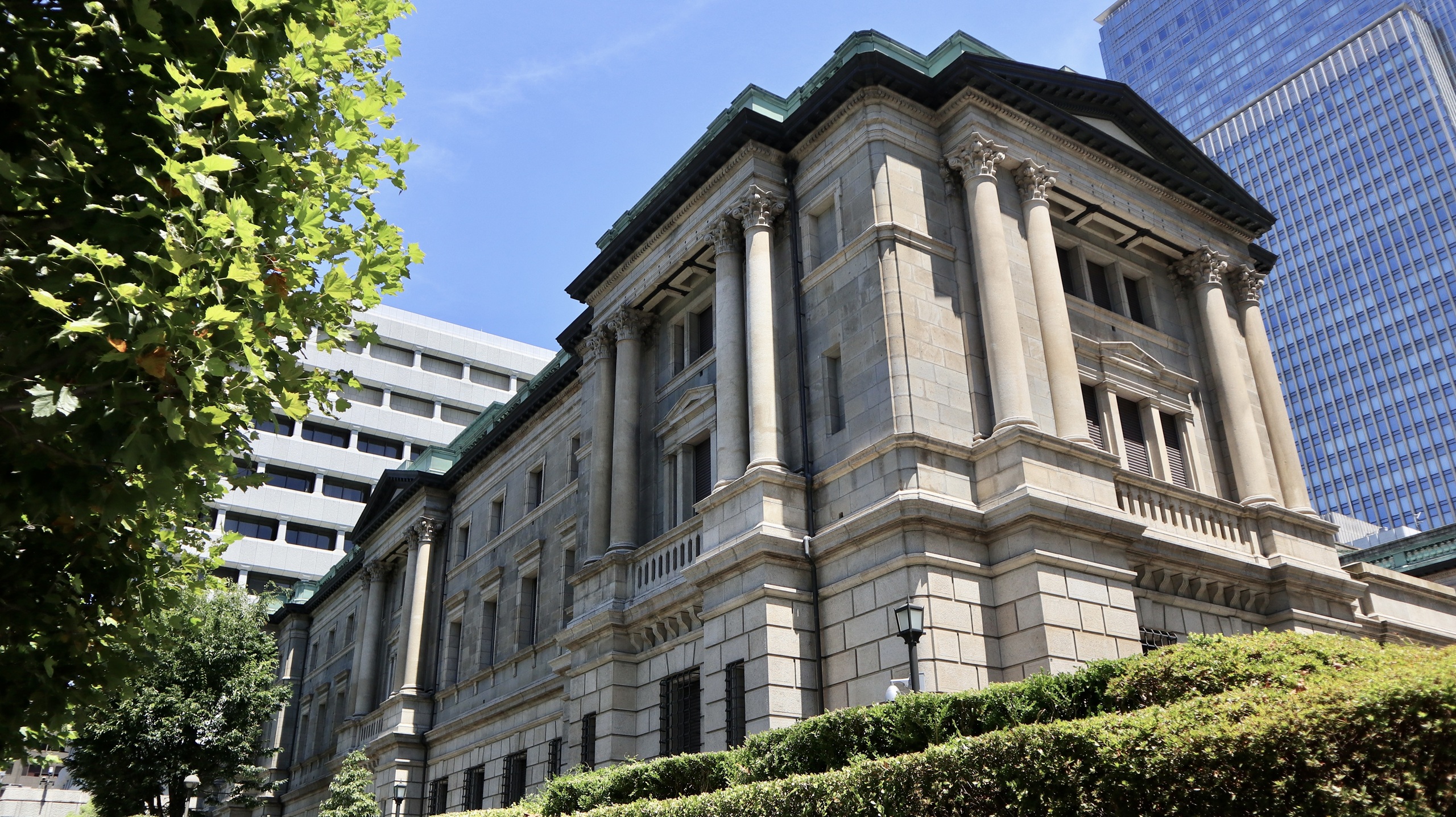
The Bank of Japan is facing growing expectations for a September interest-rate increase after Takuji Aida, an economic adviser to Prime Minister Sanae Takaichi and previously a vocal opponent of rapid monetary tightening, moved his forecast forward. The shift comes as Japan confronts persistent yen weakness, elevated inflation risks and rising government bond yields, placing monetary policy at the center of global foreign-exchange and fixed-income markets.
Takaichi Adviser Brings Forward Rate-Hike Forecast
Aida, chief Japan economist at Crédit Agricole and a member of the government’s key economic panel, now expects the BOJ to raise interest rates in September. He had previously forecast the next increase for January 2027 but said the September meeting represents a narrow opportunity for action before an extraordinary session of parliament begins in early October.
Aida expects the central bank could follow a September increase with another hike by January 2027. After that, he anticipates the BOJ returning to a slower pace of roughly one increase every six months. His forecast is notable because Aida is considered a reflationist and has historically argued against premature rate increases that could weigh on Japan’s economic recovery.
Markets Are Pricing a 25-Basis-Point Increase
Financial markets have moved toward expecting a September policy adjustment. Investors have nearly fully priced a 25-basis-point increase in the BOJ’s policy rate to 1.25% at the September 17–18 meeting.
The yen has already responded to the changing expectations, gaining as traders assess the possibility of faster monetary normalization. A higher Japanese policy rate could narrow the interest-rate gap with the United States and potentially reduce pressure on the yen, although the currency remains sensitive to U.S. yields, energy prices and global risk sentiment.
BOJ Governor Kazuo Ueda has also indicated that policymakers will consider a September increase, with particular attention to whether inflation risks are intensifying. U.S. Treasury Secretary Scott Bessent has separately advocated more decisive monetary action from Japan to address yen weakness, adding an international dimension to the policy debate.
Rate Hikes Create a Delicate Policy Balance
The potential September increase comes with significant economic and fiscal considerations. Higher interest rates could help contain inflation and strengthen the yen, reducing the cost of imported goods and energy. At the same time, faster tightening could increase borrowing costs for households and businesses and place additional pressure on Japan’s government finances as debt-servicing expenses rise.
The policy challenge is particularly important for Takaichi’s administration, which has pursued expansionary fiscal policies while seeking to support household purchasing power. Parliament is expected to consider legislation that would suspend an 8% levy on food items for two years, potentially adding to the interaction between fiscal stimulus and monetary tightening.
Markets will now focus on the BOJ’s September 17–18 meeting, inflation data, yen movements and signals from Governor Ueda and other policymakers. A rate increase would strengthen expectations for further normalization, but the pace of subsequent hikes will determine whether Japan can balance currency stability and inflation control without placing excessive pressure on economic growth or already elevated government financing costs.
Comparison, examination, and analysis between investment houses
Leave your details, and an expert from our team will get back to you as soon as possible
* This article, in whole or in part, does not contain any promise of investment returns, nor does it constitute professional advice to make investments in any particular field.
To read more about the full disclaimer, click here
- omer bar
- •
- 7 Min Read
- •
- ago 10 hours
SKN | S&P 500 CPI Days Have Been Mostly Calm in 2026: Could September 11 Break the Pattern?
The U.S. consumer-price report scheduled for September 11 is shaping up as an important test for financial markets after
- ago 10 hours
- •
- 7 Min Read

The U.S. consumer-price report scheduled for September 11 is shaping up as an important test for financial markets after

- Ronny Mor
- •
- 8 Min Read
- •
- ago 1 day
SKN | Strong U.S. Jobs Report Puts Fed Rate Hike Back in Focus as Trump Demands Lower Rates
A stronger-than-expected U.S. employment report has put a Federal Reserve rate hike back at the center of the monetary-policy
- ago 1 day
- •
- 8 Min Read

A stronger-than-expected U.S. employment report has put a Federal Reserve rate hike back at the center of the monetary-policy

- Lior mor
- •
- 6 Min Read
- •
- ago 2 days
SKN | Citigroup Pushes Fed Rate-Cut Forecast to 2027 After Strong U.S. Jobs Report
Citigroup has pushed back its forecast for the Federal Reserve's next interest-rate cut to June 2027 after a stronger-than-expected
- ago 2 days
- •
- 6 Min Read
Citigroup has pushed back its forecast for the Federal Reserve's next interest-rate cut to June 2027 after a stronger-than-expected
- omer bar
- •
- 8 Min Read
- •
- ago 2 days
SKN | Rate-Hike Fears Return as Strong U.S. Jobs Report Sends Wall Street Lower
U.S. stocks ended lower on September 4 after a stronger-than-expected employment report revived concerns that the Federal Reserve may
- ago 2 days
- •
- 8 Min Read
U.S. stocks ended lower on September 4 after a stronger-than-expected employment report revived concerns that the Federal Reserve may

