




- Lior mor
- •
- 7 Min Read
- •
- 7 seconds ago


Key Points
- The Australian Dollar Currency Index (^XDA) concluded the trading week at 72.04, securing a 5-day net advance of 0.59% as commodity currency buyers defended multi-month gains.
- A flat Friday session generated a neutral daily change of 0.00 points (0.00%), holding the index near 72.04 within a daily trading band of 71.73 to 72.13.
- For global and Israeli asset allocators, this structural strength highlights the opportunity to manage commodity-linked foreign exchange risk, balancing Reserve Bank of Australia (RBA) rate expectations against persistent shekel volatility and APAC growth dynamics.
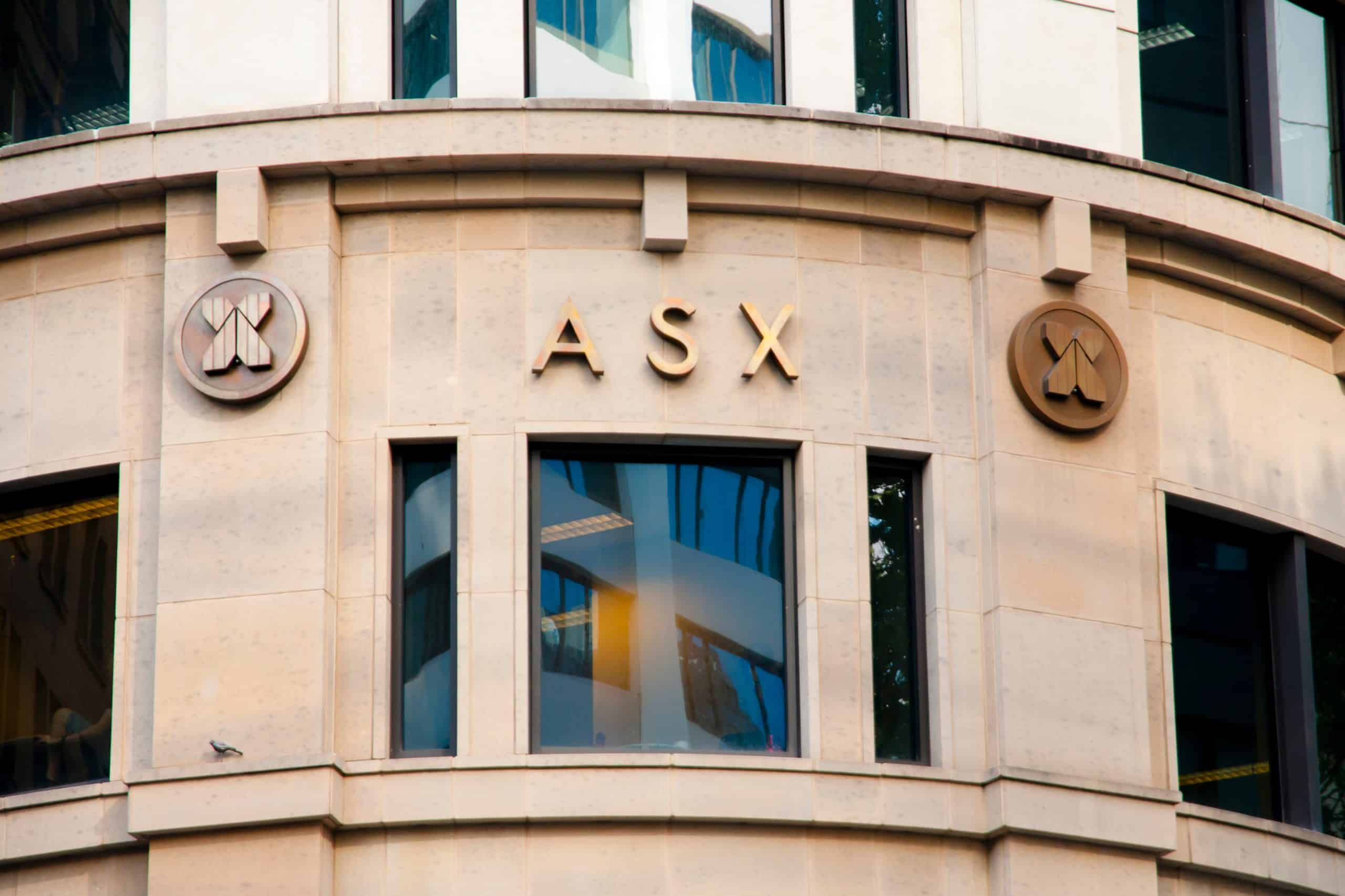
The Australian Dollar Currency Index (^XDA) demonstrated steady underlying strength over the trading week, ultimately settling at 72.04 to record a 5-day net expansion of 0.59%. This localized advance across the primary benchmark tracking Aussie Dollar valuation reflects institutional accumulation, as allocators actively weigh resilient domestic Australian inflation metrics and hawkish Reserve Bank of Australia policy signals against shifting Asian trade demand and global yield differentials.
Deciphering Technical Range Dynamics and Intra-Week Resistance
Trading activity across the ^XDA index was marked by early-week strength that lifted the currency benchmark to test an intra-week ceiling near 72.13 before experiencing a mid-week pull-back toward an intraday trough of 71.73 on September 4th. However, swift buyer accumulation re-emerged during afternoon trading, pulling the index back up to close at 72.04 (unchanged from the previous close of 72.04 after opening at 72.05). Operating at the upper boundary of its 52-week trading range of 64.22 to 72.73, this price action confirms that institutional buyers actively defended technical support near 71.75, though overhead supply near the 72.70 historical peak caps immediate breakout momentum pending new macroeconomic catalysts.
Macroeconomic Drivers, Commodity Demand, and RBA Rate Expectations
As a leading commodity currency index deeply linked to global industrial metal pricing, liquefied natural gas exports, and Asian economic activity, the valuation of the ^XDA index is fundamentally tethered to bulk commodity demand and relative yield differentials. The 0.59% 5-day expansion was supported by Australian inflation data showing headline Consumer Price Index figures at 3.5% YoY, reinforcing market expectations that the Reserve Bank of Australia may maintain its official cash rate at 4.35% or pursue further monetary tightening relative to central banks inclined toward rate cuts. Nevertheless, two-sided risks persist; the Aussie Dollar remains vulnerable to valuation drag if global raw material demand softens or if sovereign bond yield volatility creates broader risk-off market sentiment.
Strategic Portfolio Implications for the Israeli Ecosystem
For globally active portfolio managers and the interconnected Tel Aviv institutional community, tracking Australian Dollar Currency Index dynamics provides crucial insight into high-beta commodity currencies, Asian trade channels, and cross-border risk budgets. Because Australian dollar assets offer attractive carry yields and direct exposure to global natural resource demand, tracking ^XDA momentum informs multi-asset diversification strategies for Israeli institutional allocators. Local managers must systematically evaluate this Aussie dollar resilience against persistent domestic shekel volatility, regional security risk premiums, and transatlantic yield curves. Implementing disciplined currency hedging protocols remains essential, as sharp foreign exchange adjustments between the AUD, USD, and ILS can directly influence net portfolio returns.
Looking forward, the immediate structural trajectory centers on whether the Australian Dollar Currency Index can firmly establish technical support above the 71.75 baseline or if overhead resistance near 72.70 will spark a mean-reversion toward lower quarterly support bands near 70.50. Market participants must remain highly attentive to upcoming Reserve Bank of Australia monetary policy decisions, Australian employment reports, and broader Asian trade releases, which are poised to act as primary directional catalysts. The broader macroeconomic landscape presents a highly conditional outlook; while current price action reflects strong baseline support near 52-week highs, asset allocators must maintain a rigorous, probability-based framework, actively managing downside risks and monitoring global yield differentials to safeguard portfolio performance over the coming financial quarters.
Comparison, examination, and analysis between investment houses
Leave your details, and an expert from our team will get back to you as soon as possible
* This article, in whole or in part, does not contain any promise of investment returns, nor does it constitute professional advice to make investments in any particular field.
To read more about the full disclaimer, click here
- Arik Arkadi Sluzki
- •
- 6 Min Read
- •
- ago 29 minutes
SKN | Nikkei 225 Rebounds 1.26% to 65,020.94: Are Japanese Equities Stabilizing Above Core Support Amid BOJ Rate Expectations?
The Nikkei 225 Index staged a strong late-week recovery on the Osaka Exchange, rising 1.26% on Friday to settle
- ago 29 minutes
- •
- 6 Min Read

The Nikkei 225 Index staged a strong late-week recovery on the Osaka Exchange, rising 1.26% on Friday to settle

- Ronny Mor
- •
- 8 Min Read
- •
- ago 6 hours
SKN | Nike’s S&P 100 Exit Signals a Deeper Crisis: Can the Sportswear Giant Rebuild Its Market Position?
The deterioration in Nike’s equity value has reached an important symbolic milestone. S&P Dow Jones Indices announced that NIKE
- ago 6 hours
- •
- 8 Min Read

The deterioration in Nike’s equity value has reached an important symbolic milestone. S&P Dow Jones Indices announced that NIKE
- Arik Arkadi Sluzki
- •
- 9 Min Read
- •
- ago 9 hours
SKN | GPT-6 Astra Challenges Claude Fable 5.1 With Lower Enterprise AI Costs and Near-Perfect Task Completion
OpenAI's GPT-6 Astra is emerging as a significant competitor in enterprise artificial intelligence after Signal65's PINNACLE benchmark showed the
- ago 9 hours
- •
- 9 Min Read

OpenAI's GPT-6 Astra is emerging as a significant competitor in enterprise artificial intelligence after Signal65's PINNACLE benchmark showed the

- sagi habasov
- •
- 7 Min Read
- •
- ago 13 hours
SKN | KOSPI Contracts 1.95% Weekly to 6,687.21: Are South Korean Tech Equities Rebounding Following Mid-Week Memory Sell-Off?
The KOSPI Composite Index (^KS11) exhibited notable multi-session volatility over the trading week in Seoul, ultimately settling at 6,687.21
- ago 13 hours
- •
- 7 Min Read

The KOSPI Composite Index (^KS11) exhibited notable multi-session volatility over the trading week in Seoul, ultimately settling at 6,687.21
