





- omer bar
- •
- 8 Min Read
- •
- 1 month ago


Key Points
- Brent crude gained 7.6% for the week, while West Texas Intermediate rose nearly 10%, as renewed U.S.-Iran military exchanges increased concerns over Middle East supply routes.
- U.S. diesel prices reached a record $5.85 per gallon, adding pressure to transportation, agriculture and broader inflation costs.
- Strait of Hormuz shipping remains impaired, with only four commodity vessels crossing on Thursday versus a 10-day average of about 15.

Oil prices ended the week sharply higher as renewed military exchanges between the United States and Iran revived concerns over disruptions to Middle Eastern energy supplies. The move is increasingly significant beyond crude markets, with record U.S. diesel prices adding pressure to transportation and agricultural costs and potentially complicating the inflation outlook for major economies.
Brent and WTI Post Strong Weekly Gains
Brent crude futures settled at $92.68 a barrel on Friday, gaining 76 cents, or 0.8%, while West Texas Intermediate settled at $91.48, up 18 cents, or 0.2%. Over the full week, Brent advanced 7.6%, while U.S. crude gained nearly 10%, marking a substantial repricing of geopolitical and supply risks.
The weekly performance reflects a market increasingly focused on the possibility that prolonged conflict could interfere with energy flows. Reuters reported that the United States and Iran resumed military exchanges during the seventh month of their conflict, while supply routes in the Middle East remained impaired. At the same time, analysts cautioned that the recent price rally appears to contain a significant geopolitical risk premium rather than being driven entirely by a measurable deterioration in current export volumes.
That distinction is important. If physical supply remains available, prices could eventually stabilize should tensions ease. Conversely, a more substantial disruption to production or transportation could create a materially different market environment.
Record Diesel Prices Raise Broader Inflation Risks
The pressure is particularly visible in refined fuels. Average U.S. diesel prices reached an all-time high of $5.85 per gallon, according to AAA data cited by Reuters. Renewed U.S.-Iran hostilities, combined with Ukrainian attacks on Russian refineries, have intensified an already constrained supply environment.
Diesel has an unusually broad economic footprint because it powers freight transportation, industrial equipment and agricultural machinery. Reuters noted that prices could rise further as inventories decline and agricultural states enter harvesting and planting periods, when demand for diesel-powered equipment typically becomes more important. Heating oil futures have also risen as winter approaches.
The implications extend into monetary policy. Higher energy and transportation costs can feed into consumer and producer prices, potentially making it more difficult for central banks to respond to weaker growth with easier policy. This creates a challenging combination of inflationary pressure and potential economic drag.
Hormuz Traffic Remains a Critical Supply Indicator
Physical shipping activity through the Strait of Hormuz remains one of the most important indicators for the oil market. Preliminary data showed only four commodity vessels crossed the waterway on Thursday, substantially below the 10-day average of approximately 15 vessels. Reuters reported that the U.S. government has said Middle Eastern oil flows have returned closer to normal, but tanker tracking data and analysts indicate that transportation activity remains significantly disrupted.
The distinction between shipping disruption and actual export losses will remain central to price formation. Reuters cited analysts who said there was not yet evidence that this week’s escalation had materially reduced Middle Eastern exports, suggesting that part of the current rally is being driven by expectations and uncertainty. Iraq, meanwhile, increased its August oil exports to approximately 2.34 million barrels per day from 1.35 million barrels per day in July, providing an offsetting supply development.
Looking ahead, the direction of the U.S.-Iran conflict, Strait of Hormuz traffic, global inventories and refined-fuel prices will be critical indicators for energy markets. Citi raised its third-quarter Brent forecast to $86 a barrel, while ANZ lifted its short-term forecast to $95, with additional upside risk if the conflict intensifies. At the same time, stronger-than-expected U.S. employment data could reinforce expectations for tighter monetary policy, creating another potential headwind for demand. For investors in Israel and globally, the interaction between geopolitical risk, energy inflation, interest rates and economic growth will remain central to the market outlook in the weeks ahead.
Comparison, examination, and analysis between investment houses
Leave your details, and an expert from our team will get back to you as soon as possible
* This article, in whole or in part, does not contain any promise of investment returns, nor does it constitute professional advice to make investments in any particular field.
To read more about the full disclaimer, click here
- Ronny Mor
- •
- 7 Min Read
- •
- ago 18 hours
SKN | Trump Says Russia Will Supply Diesel to U.S. and Global Markets as Fuel Prices Rise
President Donald Trump said Friday that Russia had agreed to immediately supply diesel to the United States and global
- ago 18 hours
- •
- 7 Min Read
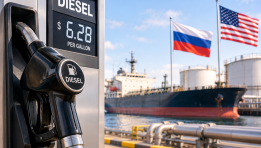
President Donald Trump said Friday that Russia had agreed to immediately supply diesel to the United States and global
- Ronny Mor
- •
- 6 Min Read
- •
- ago 2 days
SKN | Gold Prices Rise as Dollar Weakens and Treasury Yields Fall
Gold prices advanced on Friday as a softer U.S. dollar and easing Treasury yields supported demand for the precious metal.
- ago 2 days
- •
- 6 Min Read

Gold prices advanced on Friday as a softer U.S. dollar and easing Treasury yields supported demand for the precious metal.

- sagi habasov
- •
- 7 Min Read
- •
- ago 2 days
SKN | Oil Prices Fall as Trump Rules Out Iran Strikes Before U.S. Midterms
Oil prices retreated from their session highs on October 8 after U.S. President Donald Trump said Washington would not launch
- ago 2 days
- •
- 7 Min Read
Oil prices retreated from their session highs on October 8 after U.S. President Donald Trump said Washington would not launch

- orshu
- •
- 7 Min Read
- •
- ago 2 days
SKN | Oil Prices Jump 5% Before Easing as Trump Rules Out Iran Attack This Month
Oil prices surged more than 5% on Thursday before paring gains after President Donald Trump said the United States
- ago 2 days
- •
- 7 Min Read
Oil prices surged more than 5% on Thursday before paring gains after President Donald Trump said the United States

