





- Ronny Mor
- •
- 7 Min Read
- •
- 8 minutes ago


Key Points
- Tesla is making robotaxis a central part of its future strategy, but its commercial autonomous fleet remains far smaller than Waymo’s.
- Waymo is already providing roughly 500,000 paid robotaxi rides a week across multiple U.S. markets, giving it a substantial operational lead.
- Neither company has yet demonstrated that robotaxis can generate sustainable profits at scale, making costs, utilization and regulation critical factors for investors.
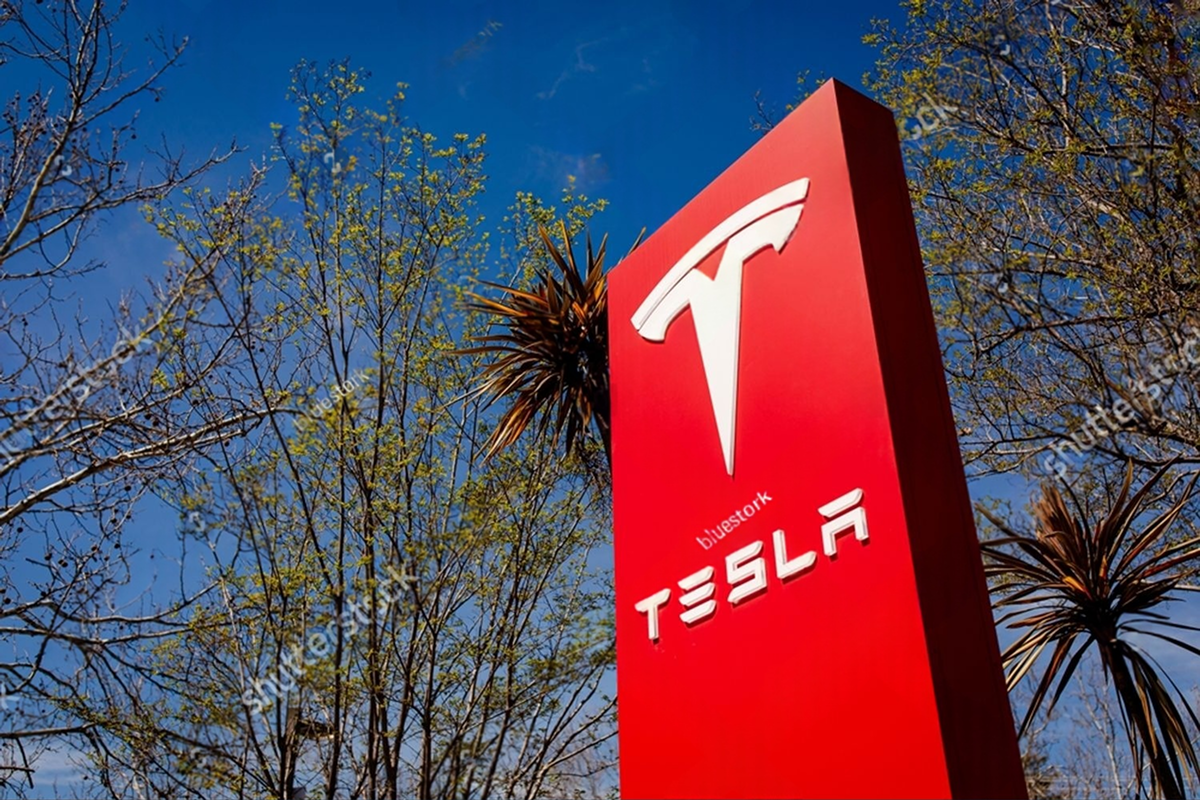
Tesla is increasingly presenting autonomous driving as the next major growth engine for the company as competition in the global electric-vehicle market intensifies. The launch of its steering-wheel-free Cybercab in Austin marks another step toward that strategy, but Tesla remains well behind Waymo in commercial deployment, raising questions about how quickly its robotaxi ambitions can translate into meaningful revenue and profitability.
Waymo Has Built a Significant Commercial Lead
Waymo, Alphabet’s autonomous-driving subsidiary, has established a substantial lead in operating a commercial driverless service. The company reached approximately 500,000 paid robotaxi rides per week across 10 U.S. cities earlier this year, after weekly trips increased roughly tenfold from about 50,000 in May 2024. Waymo has since expanded its operations to additional markets, including San Diego, Denver and Tampa, bringing its operational footprint to 14 cities.
Tesla, meanwhile, has expanded its robotaxi service more cautiously since beginning limited operations in Austin in June 2025. Its service has reached selected areas of Texas and Florida, but the fleet remains comparatively small. Tesla currently has hundreds of autonomous vehicles operating in Texas, including a limited number of Cybercabs, while Waymo has thousands of vehicles equipped for autonomous operations.
Tesla Needs Robotaxis to Deliver More Than a Technology Story
The strategic importance of robotaxis for Tesla extends beyond transportation. The company is investing heavily in artificial intelligence, autonomous driving and robotics at a time when its traditional automotive economics remain under pressure. Tesla generated $28.24 billion in revenue during the second quarter of 2026, but its operating income fell 57% year over year to $398 million, while capital expenditures surged to $5.79 billion during the quarter.
That spending reflects Tesla’s effort to build AI and manufacturing infrastructure capable of supporting future products, including autonomous vehicles. The company’s automotive gross margin also declined to 16.8% in the second quarter from 17.2% a year earlier. For Tesla, a successful robotaxi network could eventually create a recurring, service-based revenue stream with different economics from vehicle sales. The challenge is proving that the business can justify the substantial investment required to reach that scale.
The Profitability Question Remains Unresolved
Waymo’s lead should not be interpreted as proof that autonomous transportation has already become a profitable industry. Alphabet does not disclose Waymo’s standalone profitability, and the broader Other Bets segment that includes Waymo continues to generate significant operating losses. High expenses associated with vehicles, sensors, maintenance, remote support, mapping, software development and regulatory compliance remain major barriers to attractive margins.
Tesla is pursuing a different technological approach, relying heavily on cameras and neural networks rather than the combination of lidar, radar and cameras used by many competitors. If Tesla can demonstrate that this architecture enables lower vehicle costs while maintaining safety and reliability, it could become an important competitive advantage. However, that proposition still needs to be demonstrated through sustained commercial operation.
The next stage of the robotaxi race will therefore be measured less by demonstrations and more by fleet size, utilization, regulatory approvals, customer demand and unit economics. Tesla’s Cybercab rollout could accelerate its progress, while Waymo’s continued expansion provides a difficult benchmark. For investors, the critical question will be whether either company can move from proving that driverless rides are technically possible to demonstrating that they can become a durable and profitable transportation business.
Comparison, examination, and analysis between investment houses
Leave your details, and an expert from our team will get back to you as soon as possible
* This article, in whole or in part, does not contain any promise of investment returns, nor does it constitute professional advice to make investments in any particular field.
To read more about the full disclaimer, click here
- omer bar
- •
- 7 Min Read
- •
- ago 3 hours
SKN | Asana Raises FY27 Outlook as AI-Powered Work Management Strengthens Enterprise Growth
Asana delivered a stronger-than-expected second quarter as improving customer retention, enterprise expansion and artificial intelligence products supported growth in
- ago 3 hours
- •
- 7 Min Read

Asana delivered a stronger-than-expected second quarter as improving customer retention, enterprise expansion and artificial intelligence products supported growth in

- Ronny Mor
- •
- 7 Min Read
- •
- ago 3 hours
SKN | Zscaler Raises FY27 Outlook as AI Security Demand Drives 25% Revenue and ARR Growth
Zscaler closed fiscal 2026 with stronger-than-expected revenue, recurring-revenue growth and profitability as demand for cloud-based cybersecurity increasingly intersects with
- ago 3 hours
- •
- 7 Min Read

Zscaler closed fiscal 2026 with stronger-than-expected revenue, recurring-revenue growth and profitability as demand for cloud-based cybersecurity increasingly intersects with

- sagi habasov
- •
- 6 Min Read
- •
- ago 3 hours
SKN | DocuSign Raises FY27 Outlook as AI-Powered Agreement Management Accelerates Growth
DocuSign delivered a stronger-than-expected second quarter as artificial intelligence increasingly becomes integrated into enterprise contract management. The results show
- ago 3 hours
- •
- 6 Min Read

DocuSign delivered a stronger-than-expected second quarter as artificial intelligence increasingly becomes integrated into enterprise contract management. The results show

- orshu
- •
- 7 Min Read
- •
- ago 3 hours
SKN | Guidewire Posts Strong Q4 Results, but FY27 Guidance Raises Questions About Growth Momentum
Guidewire Software delivered a stronger-than-expected fourth quarter as insurers continued shifting core operations to cloud platforms and adopting artificial
- ago 3 hours
- •
- 7 Min Read

Guidewire Software delivered a stronger-than-expected fourth quarter as insurers continued shifting core operations to cloud platforms and adopting artificial

