





- sagi habasov
- •
- 7 Min Read
- •
- 28 seconds ago


Key Points
- President Donald Trump is pressing US refiners to increase gasoline and diesel production as fuel prices remain elevated and household costs come under greater pressure.
- US gasoline prices have remained above $4 a gallon nationally, while diesel prices have approached $6, reflecting tight refining capacity and disruptions linked to the Iran conflict.
- Refiners argue that regulatory requirements, including biofuel mandates, are adding costs, while the industry is already operating at exceptionally high utilization rates.
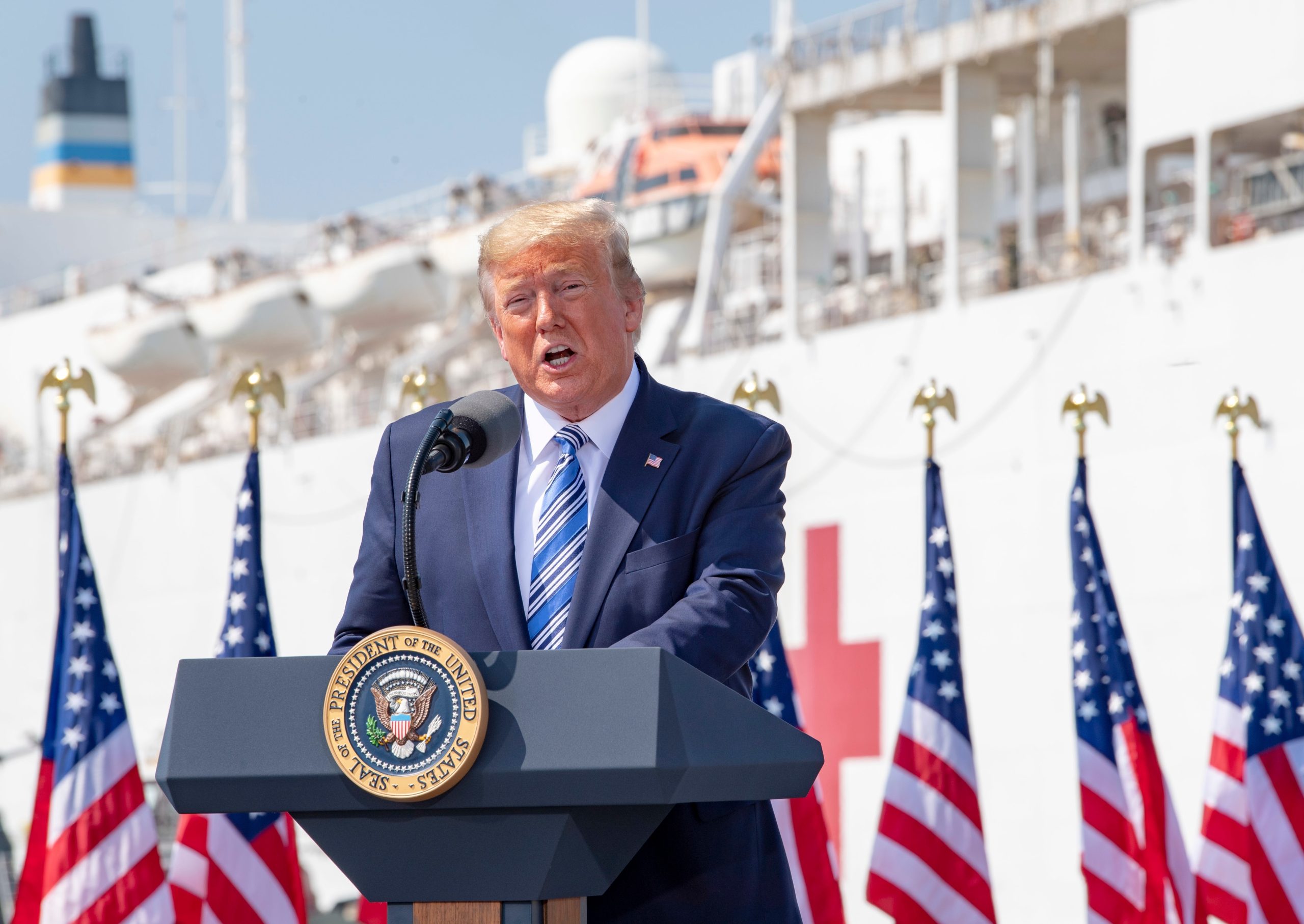
President Donald Trump is intensifying pressure on US oil refiners to increase domestic fuel production and help lower gasoline and diesel prices, placing the industry at the center of the administration’s response to rising living costs. The push comes as disruptions to global energy flows and tight refining capacity keep fuel prices elevated, creating both an economic and political challenge ahead of the November midterm elections.
Trump Pushes Refiners to Increase Fuel Supply
Trump pressed major US refiners during a closed-door meeting to explore ways of expanding domestic production of gasoline and diesel. The administration has focused on increasing refining capacity, accelerating permitting and potentially reducing regulatory obstacles that could prevent companies from bringing additional supply to the market.
US gasoline prices have remained above $4 per gallon, while diesel prices have approached $6 nationally. The elevated prices reflect not only crude oil costs but also unusually tight supplies of refined petroleum products. The situation has become particularly sensitive for consumers because gasoline and diesel directly affect household transportation expenses as well as the cost of moving goods throughout the economy.
Refiners Face Capacity and Margin Constraints
The administration’s demand for greater output comes at a complicated time for refiners. US refinery utilization has remained above 95% for an extended period, limiting how quickly companies can increase production without adding or expanding physical capacity.
At the same time, refiners have benefited from exceptionally strong margins as disruptions to international fuel supplies have increased demand for US products. Marathon Petroleum, Phillips 66 and Valero Energy reported combined second-quarter profits of $12.6 billion, while the companies returned billions of dollars to shareholders through dividends and share repurchases.
However, strong profitability does not necessarily mean refiners can immediately produce substantially more fuel. New refining capacity requires significant capital, lengthy permitting processes and confidence that demand will remain strong enough to justify multibillion-dollar investments.
Biofuel Rules Add Another Layer of Pressure
Refining executives have also pointed to federal biofuel requirements as a factor contributing to higher costs. Under the US renewable fuel system, refiners must blend specified amounts of biofuels into gasoline and diesel or purchase renewable identification numbers, known as RINs, to meet their obligations.
The administration has considered additional exemptions for smaller refineries and other regulatory changes intended to reduce pressure on fuel producers. Such measures could lower costs for some refiners, but they also risk opposition from agricultural groups that depend on strong demand for ethanol and other biofuels.
For consumers, the central question is whether additional regulatory flexibility can translate into lower prices at the pump. With refining facilities already operating near capacity, the immediate impact may be limited unless additional crude supplies, refinery capacity or imports become available.
What Comes Next for US Fuel Prices
The outlook for gasoline and diesel will depend heavily on the trajectory of the Iran conflict, global shipping through the Strait of Hormuz, refinery operating rates and the administration’s ability to implement measures that increase fuel supply. If geopolitical disruptions ease, some pressure on refined-product prices could diminish. However, continued disruptions or refinery outages could keep fuel markets tight despite political pressure. For investors, the key indicators will be refining margins, inventory levels, refinery utilization and changes in US fuel policy, as these factors will determine whether the administration’s efforts produce meaningful relief or remain constrained by the physical limits of the refining system.
Comparison, examination, and analysis between investment houses
Leave your details, and an expert from our team will get back to you as soon as possible
* This article, in whole or in part, does not contain any promise of investment returns, nor does it constitute professional advice to make investments in any particular field.
To read more about the full disclaimer, click here
- Ronny Mor
- •
- 6 Min Read
- •
- ago 15 minutes
SKN | Oil Prices Rise Nearly 1% as Fresh US-Iran Strikes Renew Supply Disruption Fears
Oil prices extended their sharp rally on Wednesday as renewed military strikes between the United States and Iran increased concerns
- ago 15 minutes
- •
- 6 Min Read
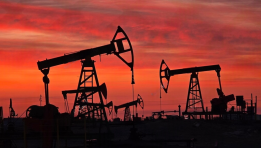
Oil prices extended their sharp rally on Wednesday as renewed military strikes between the United States and Iran increased concerns
- Ronny Mor
- •
- 6 Min Read
- •
- ago 5 hours
SKN | Could Oil Prices Break Higher as U.S.-Iran Strikes Intensify the Hormuz Supply Risk?
Oil prices jumped sharply Tuesday as renewed U.S.-Iran military escalation in the Strait of Hormuz heightened concerns about global energy
- ago 5 hours
- •
- 6 Min Read

Oil prices jumped sharply Tuesday as renewed U.S.-Iran military escalation in the Strait of Hormuz heightened concerns about global energy

- Lior mor
- •
- 7 Min Read
- •
- ago 24 hours
SKN | Trump Says Exxon Is ‘Going In’ to Venezuela as U.S. Accelerates Oil Deals
President Donald Trump said ExxonMobil is among the major U.S. oil companies preparing to enter Venezuela, signaling a dramatic potential
- ago 24 hours
- •
- 7 Min Read
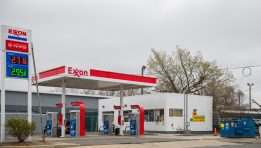
President Donald Trump said ExxonMobil is among the major U.S. oil companies preparing to enter Venezuela, signaling a dramatic potential
- Lior mor
- •
- 7 Min Read
- •
- ago 2 days
SKN | US Moves Toward Strategic Stake in Venezuelan Oil Venture as Energy Influence Expands
The United States is reportedly preparing to expand its involvement in Venezuela’s energy sector through a proposed investment in
- ago 2 days
- •
- 7 Min Read

The United States is reportedly preparing to expand its involvement in Venezuela’s energy sector through a proposed investment in

