




- Ronny Mor
- •
- 6 Min Read
- •
- 21 seconds ago


Key Points
- Brent crude climbed 3.8% to $94.36 a barrel after U.S. military action against Iranian targets in the Strait of Hormuz.
- WTI rose 4.3% to $89.46, as renewed attacks threaten an energy corridor responsible for a significant share of global oil flows.
- The supply disruption is adding pressure to U.S. fuel prices, with gasoline already averaging above $4 a gallon for more than 100 days in 2026.

Oil prices jumped sharply Tuesday as renewed U.S.-Iran military escalation in the Strait of Hormuz heightened concerns about global energy supplies and pushed Brent crude above $94 a barrel. The latest move comes as the strategic waterway remains disrupted by attacks on shipping, while global production and transportation constraints have already tightened the oil market. The rally also creates a difficult backdrop for policymakers confronting elevated gasoline prices and renewed inflationary pressure.
Hormuz Escalation Sends Brent Toward $95
The November Brent contract advanced 3.8% to $94.36 a barrel, reaching its highest level in nearly two weeks. October West Texas Intermediate gained 4.3% to $89.46, putting the U.S. benchmark on track for its strongest close in more than a month.
The afternoon surge extended gains that had already emerged during the morning session, indicating that traders were increasingly pricing the latest military developments into crude markets. The U.S. strikes followed overnight Iranian attacks against vessels traveling through the Strait of Hormuz, renewing fears that the confrontation could further restrict tanker traffic and regional energy exports.
Global Supply Faces a Growing Deficit
The disruption comes after an attempted U.S.-Iran agreement quickly collapsed. A memorandum of understanding signed June 17 failed to stabilize the situation, with Tehran subsequently demanding sanctions relief and an end to the U.S. naval blockade before the waterway could reopen.
The International Energy Agency has already lowered its 2026 global oil supply forecast to 102 million barrels a day, representing a 4.3 million-barrel-per-day decline from the previous year. Middle East oil loadings reached approximately 20 million barrels a day in early July before falling toward 12 million barrels as attacks on tankers and energy infrastructure resumed.
The IEA has projected a global oil-market deficit of 1.8 million barrels a day during the third quarter, leaving prices particularly vulnerable to further interruptions.
Higher Crude Prices Complicate the U.S. Fuel Battle
The latest oil rally arrives as the U.S. administration is already under pressure to contain gasoline costs. Oil executives were expected to meet with President Donald Trump at the White House to discuss measures aimed at lowering pump prices, which have remained above $4 a gallon for 103 days during 2026.
The national average for regular gasoline reached a seasonal record of $4.03 a gallon on August 13, according to the source material. That creates a difficult policy equation: military escalation that threatens supply can lift crude prices even as Washington pressures producers to reduce costs for consumers.
Trump has previously demanded greater pass-through from oil companies, including calls for ExxonMobil and Chevron to lower retail prices and a Justice Department investigation into whether producers failed to reduce gasoline prices sufficiently when crude costs declined.
The next phase of the conflict will therefore be critical for energy markets. Investors will watch tanker movements through Hormuz, regional production levels, further military action and any diplomatic effort to restore shipping. If disruptions deepen, Brent could face renewed upside pressure, while prolonged high fuel prices could broaden inflation risks across the global economy.
Comparison, examination, and analysis between investment houses
Leave your details, and an expert from our team will get back to you as soon as possible
* This article, in whole or in part, does not contain any promise of investment returns, nor does it constitute professional advice to make investments in any particular field.
To read more about the full disclaimer, click here
- Lior mor
- •
- 7 Min Read
- •
- ago 19 hours
SKN | Trump Says Exxon Is ‘Going In’ to Venezuela as U.S. Accelerates Oil Deals
President Donald Trump said ExxonMobil is among the major U.S. oil companies preparing to enter Venezuela, signaling a dramatic potential
- ago 19 hours
- •
- 7 Min Read
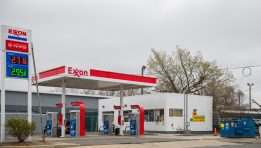
President Donald Trump said ExxonMobil is among the major U.S. oil companies preparing to enter Venezuela, signaling a dramatic potential
- Lior mor
- •
- 7 Min Read
- •
- ago 2 days
SKN | US Moves Toward Strategic Stake in Venezuelan Oil Venture as Energy Influence Expands
The United States is reportedly preparing to expand its involvement in Venezuela’s energy sector through a proposed investment in
- ago 2 days
- •
- 7 Min Read

The United States is reportedly preparing to expand its involvement in Venezuela’s energy sector through a proposed investment in

- orshu
- •
- 8 Min Read
- •
- ago 3 days
SKN | Trump Claims U.S. Control Over Venezuelan Oil Reserves in High-Stakes Energy Agreement
The United States is seeking to dramatically expand its role in Venezuela's energy sector after President Donald Trump announced
- ago 3 days
- •
- 8 Min Read
The United States is seeking to dramatically expand its role in Venezuela's energy sector after President Donald Trump announced

- Ronny Mor
- •
- 7 Min Read
- •
- ago 5 days
SKN | Brazil’s 12% Oil Export Tax Faces Legal Uncertainty as Court Suspends Levy
Brazil’s oil sector faces renewed uncertainty after a federal court suspended a 12% export tax on crude oil, just
- ago 5 days
- •
- 7 Min Read
Brazil’s oil sector faces renewed uncertainty after a federal court suspended a 12% export tax on crude oil, just
