




- omer bar
- •
- 8 Min Read
- •
- 46 seconds ago


Key Points
- NIO delivered 107,658 vehicles in the second quarter, while revenue rose 69.1% to RMB32.1 billion and vehicle margins improved substantially.
- The company narrowed its operating losses and reported adjusted net profit, supported by higher deliveries, stronger average selling prices, and an improved product mix.
- NIO is targeting further delivery growth while continuing major investments in battery swapping and product development despite rising component costs.
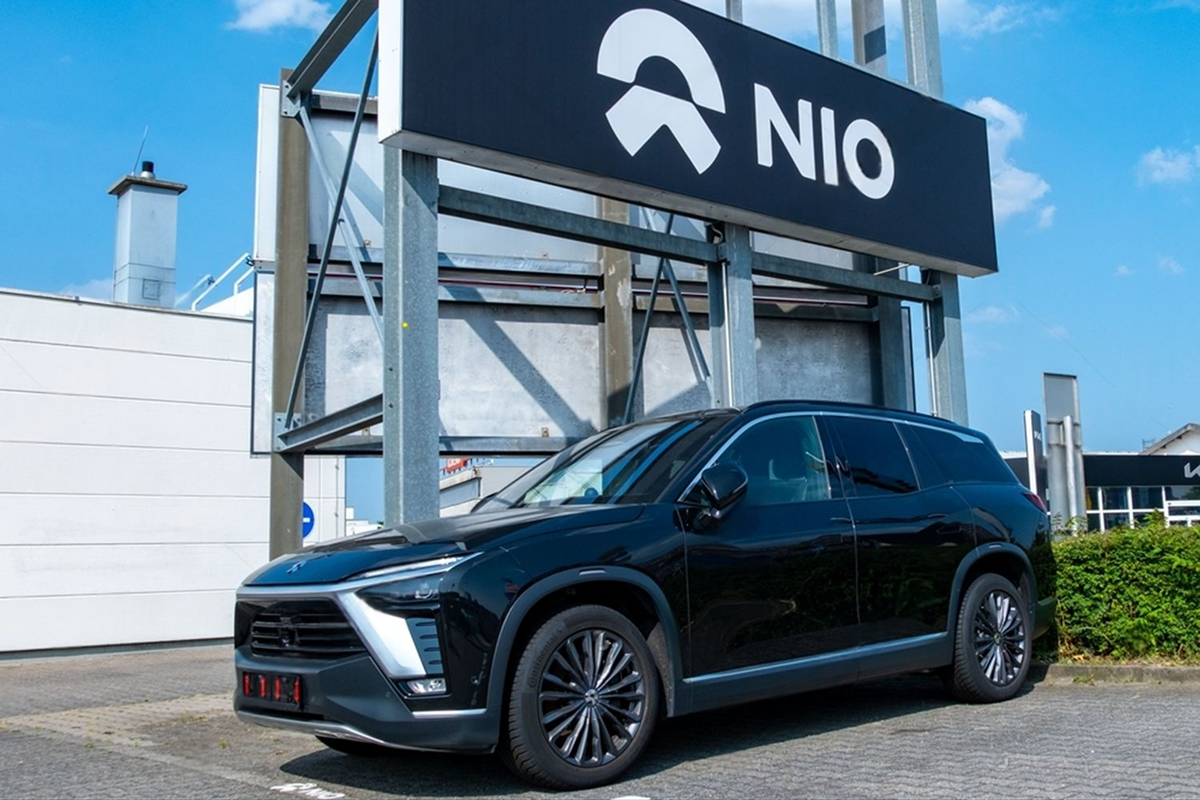
NIO delivered a strong second-quarter performance in 2026, highlighting the rapidly changing competitive landscape of China’s electric-vehicle industry. The company reported sharply higher vehicle deliveries and revenue, alongside a significant improvement in margins and losses, as its three brands contributed to broader commercial momentum.
The results come as Chinese EV manufacturers continue balancing aggressive expansion with mounting pressure on costs and profitability. For NIO, the second quarter provided evidence that higher production volumes and an improving product mix are beginning to strengthen the company’s financial position, although rising battery and semiconductor costs could create new challenges in the second half of the year.
Vehicle Deliveries and Revenue Drive a Strong Quarter
NIO delivered 107,658 vehicles during the second quarter, representing year-over-year growth of 49.4%. Revenue increased by 69.1% to RMB32.1 billion, reflecting both higher deliveries and improved average transaction prices across the company’s expanding portfolio.
All three of NIO’s brands recorded growth in sales volumes and average transaction prices during the quarter. The core NIO brand delivered 60,945 vehicles, while ONVO delivered 29,124 vehicles and Firefly contributed 17,589 vehicles.
The broader brand strategy is becoming increasingly important to NIO’s growth model. By operating across multiple market segments, the company is seeking to expand its addressable customer base while reducing its dependence on a single product category. The success of this strategy will increasingly depend on whether higher volumes can be maintained without creating additional pressure on pricing and margins.
Margins Improve as Losses Narrow Sharply
Financial performance improved significantly during the quarter. Vehicle sales reached RMB29.1 billion, an increase of 80.1% from a year earlier, supported by higher deliveries and a more favorable product mix.
NIO’s vehicle margin reached 18.5%, compared with 10.3% in the same quarter a year earlier. The figure was slightly below the 18.8% recorded during the first quarter but demonstrated a substantial improvement in profitability compared with 2025.
Overall gross margin reached 18.4%, rising from 10% a year earlier but declining slightly from 19% in the previous quarter. The company also narrowed its operating loss substantially and reported adjusted net profit of RMB26.1 million, an important milestone as NIO works toward more sustainable profitability.
The improvement suggests that scale is beginning to benefit the company’s financial model. However, maintaining margins will remain challenging in China’s highly competitive EV market, where manufacturers face continued pricing pressure and rising input costs.
Second-Half Growth Targets Meet Rising Cost Pressures
NIO reported deliveries of 35,534 vehicles in July and 35,836 vehicles in August, providing an early indication of continued momentum entering the third quarter. Management forecast third-quarter deliveries between 108,000 and 111,000 vehicles and is targeting average monthly deliveries above 40,000 vehicles during the fourth quarter.
Those targets depend partly on a recovery in China’s passenger-vehicle market. At the same time, management warned that higher costs for batteries, memory chips, and other materials could add approximately RMB2,000 to RMB3,000 per vehicle during the second half.
This creates a key strategic tension for NIO. Higher production volumes could continue improving operating leverage, but rising component costs may limit the financial benefits if the company cannot offset those increases through pricing, product mix, or manufacturing efficiencies.
Battery Swapping Remains a Major Strategic Investment
NIO continues to invest heavily in product development and its distinctive battery-swapping network. The company plans to add approximately 1,000 new battery swap stations this year, reinforcing an infrastructure strategy that differentiates NIO from many conventional EV manufacturers.
The company ended the quarter with approximately RMB56.7 billion in cash and related investments, providing substantial financial resources to support continued expansion. Management is targeting positive operating cash flow and free cash flow during the second half of 2026, a goal that could represent another important step in NIO’s financial development.
Looking ahead, investors will focus on whether NIO can sustain delivery growth above its ambitious targets while protecting its improving margins from rising battery and semiconductor costs. Progress toward positive operating and free cash flow, the execution of its battery-swapping expansion, and the performance of the NIO, ONVO, and Firefly brands will be central indicators. The second quarter demonstrated meaningful operating momentum, but the durability of that progress will depend on how effectively the company manages costs and competition during the remainder of 2026.
Comparison, examination, and analysis between investment houses
Leave your details, and an expert from our team will get back to you as soon as possible
* This article, in whole or in part, does not contain any promise of investment returns, nor does it constitute professional advice to make investments in any particular field.
To read more about the full disclaimer, click here
- Ronny Mor
- •
- 8 Min Read
- •
- ago 54 seconds
SKN | Medtronic Raises Fiscal 2027 Outlook as Cardiovascular Growth Accelerates
On September 1, 2026, Medtronic reported a stronger-than-expected start to fiscal 2027, raising its full-year outlook after broad-based growth
- ago 54 seconds
- •
- 8 Min Read
On September 1, 2026, Medtronic reported a stronger-than-expected start to fiscal 2027, raising its full-year outlook after broad-based growth

- omer bar
- •
- 6 Min Read
- •
- ago 8 hours
SKN | What Should Investors Watch From Sportsman’s Warehouse Earnings?
Sportsman’s Warehouse enters the earnings report after delivering a solid previous quarter. Revenue reached $256.1 million, representing 2.8% year-over-year growth
- ago 8 hours
- •
- 6 Min Read

Sportsman’s Warehouse enters the earnings report after delivering a solid previous quarter. Revenue reached $256.1 million, representing 2.8% year-over-year growth

- Lior mor
- •
- 6 Min Read
- •
- ago 12 hours
SKN | What Should Investors Expect From Yext’s Q2 2026 Earnings?
Analysts expect Yext to generate $111.30 million in revenue for Q2 2026. That would mark an improvement from the $107.92
- ago 12 hours
- •
- 6 Min Read

Analysts expect Yext to generate $111.30 million in revenue for Q2 2026. That would mark an improvement from the $107.92
- Ronny Mor
- •
- 8 Min Read
- •
- ago 19 hours
SKN | Boeing and Engineers Union Return to Negotiations as Wage Pressure Takes Center Stage
Boeing and the union representing thousands of engineers and technical workers are set to resume contract negotiations on September
- ago 19 hours
- •
- 8 Min Read
Boeing and the union representing thousands of engineers and technical workers are set to resume contract negotiations on September
