




- Ronny Mor
- •
- 6 Min Read
- •
- 20 seconds ago


Key Points
- Credo Technology has joined the Open CPX MSA, strengthening an industry effort to establish interoperable optical connectivity standards for next-generation AI infrastructure.
- The initiative targets near-package and co-packaged optics designed to address bandwidth, power consumption, density and signal-integrity challenges as AI networks scale.
- Credo’s silicon photonics, optical DSP and connectivity technologies could position the company to benefit if open optical architectures gain wider adoption across AI data centers.
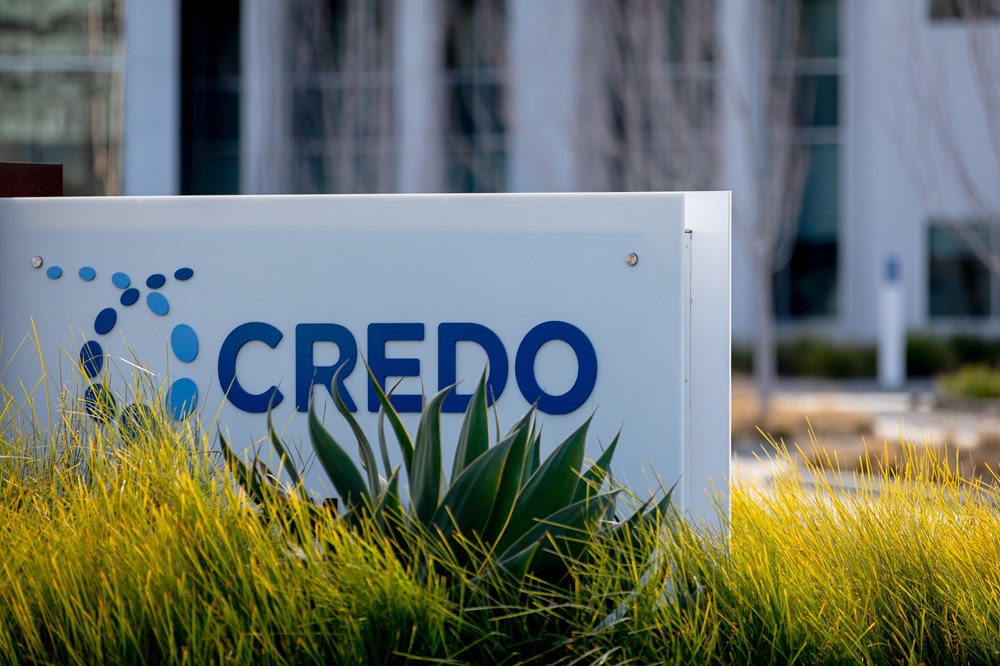
Credo Technology Group Holding has become a member of the Open CPX MSA, an industry consortium focused on developing common specifications for optical engines used in near-package optics and co-packaged optics. The move comes as AI computing systems place increasing pressure on traditional electrical interconnects, making connectivity efficiency an increasingly important factor in data-center design.
The organization was established in March 2026 and is working toward specifications covering mechanical, thermal, electrical, optical and management interfaces. By creating common standards, the group aims to reduce dependence on proprietary implementations and make it easier for multiple suppliers to participate in emerging AI networking architectures. For Credo, membership provides an opportunity to contribute its silicon photonics-based photonic integrated circuits, optical DSPs and related components to that developing ecosystem.
Why Optical Connectivity Is Becoming Strategic
The rapid expansion of AI workloads is changing the economics of data-center networking. As accelerators and application-specific integrated circuits process increasingly large volumes of data, the electrical connections linking computing components face limitations involving power consumption, signal integrity and physical density.
Co-packaged and near-package optics seek to address part of that challenge by moving optical conversion closer to the computing silicon. Reducing the distance that high-speed signals must travel electrically can potentially improve energy efficiency while supporting greater bandwidth density. That becomes particularly relevant as AI clusters grow from individual systems into increasingly interconnected computing environments.
The Open CPX MSA’s initial focus on an optical engine with a defined pluggable socket and electrical connector system is therefore strategically significant. A standardized approach could allow optical and copper connectivity to coexist while giving system designers greater flexibility in sourcing components.
Credo’s Position in the Emerging Ecosystem
Credo enters the initiative with an existing portfolio spanning copper and optical connectivity. Its offerings include active electrical cables, optical transceivers, silicon photonics components, optical DSPs, retimers and chip-to-chip interconnect technologies. Participation in an open standards organization could help align those capabilities with the architectural requirements emerging around AI infrastructure.
For investors, however, the commercial impact is likely to depend on adoption rather than membership itself. Open standards can reduce integration barriers and broaden the supplier base, but customers ultimately determine which architectures reach production at scale. The key opportunity for Credo is that increasing AI system complexity may shift optical connectivity from a supporting component toward a more strategically important layer of infrastructure.
Going forward, investors should watch the development of Open CPX specifications, participation from additional ecosystem companies and evidence of commercial deployments. If co-packaged and near-package optics gain momentum as AI clusters expand, companies with scalable, energy-efficient optical technologies could see a growing addressable market. Credo’s involvement places it closer to that potential transition, although the pace of standardization and customer adoption will remain critical variables.
Comparison, examination, and analysis between investment houses
Leave your details, and an expert from our team will get back to you as soon as possible
* This article, in whole or in part, does not contain any promise of investment returns, nor does it constitute professional advice to make investments in any particular field.
To read more about the full disclaimer, click here
- omer bar
- •
- 6 Min Read
- •
- ago 53 minutes
SKN | Nvidia AI Demand Gains Fresh Support as Anthropic Signs $35 Billion Cloud Deal With Nvidia-Backed Lambda
Nvidia remains at the center of the global artificial intelligence infrastructure cycle as Anthropic reportedly agreed to a $35
- ago 53 minutes
- •
- 6 Min Read

Nvidia remains at the center of the global artificial intelligence infrastructure cycle as Anthropic reportedly agreed to a $35
- omer bar
- •
- 6 Min Read
- •
- ago 6 hours
SKN | Meta Takes Muse Code Out of Beta as Paid Plans Accelerate Its Push Into Agentic Software Development
Meta is taking Muse Code out of beta and introducing paid plans as the company expands its presence in AI-assisted
- ago 6 hours
- •
- 6 Min Read
Meta is taking Muse Code out of beta and introducing paid plans as the company expands its presence in AI-assisted

- Ronny Mor
- •
- 6 Min Read
- •
- ago 6 hours
SKN | Can Rezolve AI’s Tech Mahindra Alliance Accelerate Enterprise Growth?
Rezolve AI is positioning its alliance with Tech Mahindra as a way to move agentic artificial intelligence from experimental deployments
- ago 6 hours
- •
- 6 Min Read

Rezolve AI is positioning its alliance with Tech Mahindra as a way to move agentic artificial intelligence from experimental deployments
- Ronny Mor
- •
- 7 Min Read
- •
- ago 6 hours
SKN | South Korea Proposes Record $597 Billion Budget to Accelerate AI and Semiconductor Investment
South Korea has proposed a record 820.9 trillion won budget for 2027 as the government seeks to turn the country’s
- ago 6 hours
- •
- 7 Min Read
South Korea has proposed a record 820.9 trillion won budget for 2027 as the government seeks to turn the country’s
