




- Ronny Mor
- •
- 7 Min Read
- •
- 26 minutes ago


Key Points
- South Korea has proposed a record 820.9 trillion won, or roughly $595 billion, 2027 budget, representing a 12.8% increase from this year and the fastest annual spending growth on record.
- AI-related spending is set to nearly double to 21.3 trillion won, supporting semiconductor production, physical AI and AI data centers.
- The expansion is being funded in part by a sharp increase in expected tax revenue from the semiconductor boom, while Seoul seeks to address longer-term growth and productivity challenges.
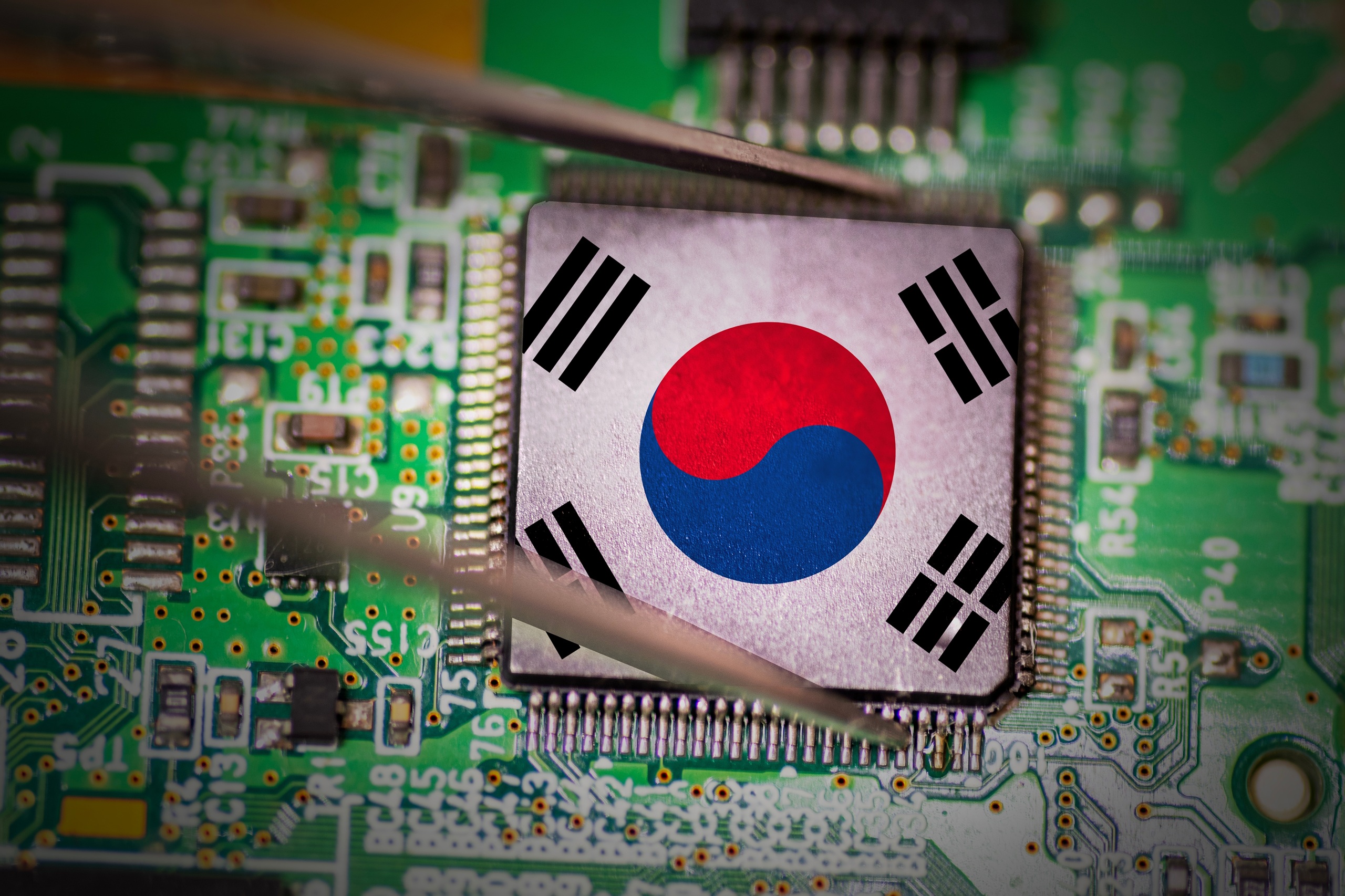
South Korea has proposed a record 820.9 trillion won budget for 2027 as the government seeks to turn the country’s semiconductor strength into a broader advantage in artificial intelligence. The 12.8% increase in spending comes as global competition for AI infrastructure intensifies and South Korea looks to strengthen its position in chips, data centers and other strategic technologies.
AI Spending Nearly Doubles as Seoul Targets Global Technology Leadership
The proposed budget allocates 21.3 trillion won to AI projects in 2027, nearly double the 10.8 trillion won allocated this year. The funding will support three major projects focused on semiconductors, physical AI and AI data centers, reflecting Seoul’s effort to build an integrated domestic ecosystem rather than concentrate solely on chip manufacturing.
The government’s strategy is particularly relevant to South Korea’s leading semiconductor companies, including Samsung Electronics and SK hynix. Both companies are benefiting from strong demand for high-bandwidth memory and other advanced components used in AI systems. Public investment in computing infrastructure, research and supporting facilities could complement corporate spending and strengthen the country’s position in the global AI supply chain.
Research and development spending is also planned to rise 11.2% to 39.5 trillion won. Beyond AI and semiconductors, the government intends to direct funding toward areas including nuclear fusion, small modular reactors, quantum technology, aerospace and advanced biotechnology.
Semiconductor Boom Provides Fiscal Room for Expansion
The scale of the budget is closely connected to the strength of South Korea’s semiconductor industry. Total government revenue is projected at 880.8 trillion won in 2027, an increase of 30.4% from this year, while national tax revenue is expected to rise 49.8% to 584.4 trillion won. Corporate tax receipts are expected to benefit substantially from improved semiconductor earnings and stronger technology exports.
Rather than directing all of the additional revenue toward immediate spending, Seoul plans to establish a 162.3 trillion-won Future Response Fund. The fund is intended to support productive investment and provide greater flexibility in dealing with future economic and technological changes.
The approach also reflects a wider global trend. Governments in the United States, Japan, Europe and elsewhere are using fiscal incentives and public investment to secure semiconductor capacity and develop domestic AI capabilities. South Korea is seeking to maintain its competitive edge while reducing the risk that future technology growth becomes concentrated in other major economies.
Growth Opportunities Come With Fiscal and Economic Risks
The expansionary budget could provide support for South Korea’s economy by increasing investment in infrastructure, technology and productivity. The government is also targeting structural challenges such as the declining birthrate and regional economic disparities, with 117.1 trillion won earmarked for regional development, up 36.6% from this year.
However, the strategy remains exposed to the semiconductor cycle. A prolonged downturn in memory-chip prices or weaker global AI investment could reduce tax revenues and make the current spending trajectory more difficult to maintain. Rising government debt and the effectiveness of large-scale public investment will also remain important considerations for investors.
Investors will now monitor parliamentary approval, the implementation of the AI and semiconductor programs and the performance of South Korea’s technology exports. The key question is whether Seoul can convert record fiscal investment into sustained productivity gains and a stronger position in the global AI economy. If the strategy succeeds, the 2027 budget could reinforce South Korea’s role as a critical technology hub; if returns on public investment fall short, the scale of the spending increase could become a greater fiscal challenge over time.
Comparison, examination, and analysis between investment houses
Leave your details, and an expert from our team will get back to you as soon as possible
* This article, in whole or in part, does not contain any promise of investment returns, nor does it constitute professional advice to make investments in any particular field.
To read more about the full disclaimer, click here
- omer bar
- •
- 7 Min Read
- •
- ago 3 hours
SKN | Apple Escalates Trade Secrets Fight With OpenAI, Alleging Evidence Was Destroyed
Apple has intensified its legal battle with OpenAI, accusing the AI company and former Apple employees of using confidential information
- ago 3 hours
- •
- 7 Min Read
Apple has intensified its legal battle with OpenAI, accusing the AI company and former Apple employees of using confidential information

- sagi habasov
- •
- 7 Min Read
- •
- ago 4 hours
SKN | Anthropic Signs $35 Billion Lambda Cloud Deal as AI Compute Demand Reshapes the Infrastructure Market
Anthropic has reportedly signed a $35 billion cloud-computing agreement with Lambda, a Nvidia-backed cloud provider, as the rapidly growing demand
- ago 4 hours
- •
- 7 Min Read
Anthropic has reportedly signed a $35 billion cloud-computing agreement with Lambda, a Nvidia-backed cloud provider, as the rapidly growing demand

- Lior mor
- •
- 8 Min Read
- •
- ago 6 hours
SKN | Apple Escalates Trade Secret Case Against OpenAI Over Alleged Access to Circuit Plans
Apple has intensified its legal confrontation with OpenAI after alleging that a former senior electrical engineer accessed proprietary power-converter
- ago 6 hours
- •
- 8 Min Read

Apple has intensified its legal confrontation with OpenAI after alleging that a former senior electrical engineer accessed proprietary power-converter
- omer bar
- •
- 9 Min Read
- •
- ago 6 hours
SKN | Amazon Faces FTC and 22-State Lawsuit Over Advertising Auction Practices
Amazon is facing a new and potentially significant regulatory challenge after the U.S. Federal Trade Commission, joined by a
- ago 6 hours
- •
- 9 Min Read
Amazon is facing a new and potentially significant regulatory challenge after the U.S. Federal Trade Commission, joined by a
