




- sagi habasov
- •
- 8 Min Read
- •
- 1 minute ago


Key Points
- U.S. stocks closed lower as rising oil prices and renewed Middle East hostilities weakened investor risk appetite.
- Markets are pricing in more than a 65% likelihood of a 25-basis-point Federal Reserve rate hike in September.
- Despite Monday's decline, the Dow, S&P 500 and Nasdaq all recorded gains for August, with technology continuing to support the broader market.
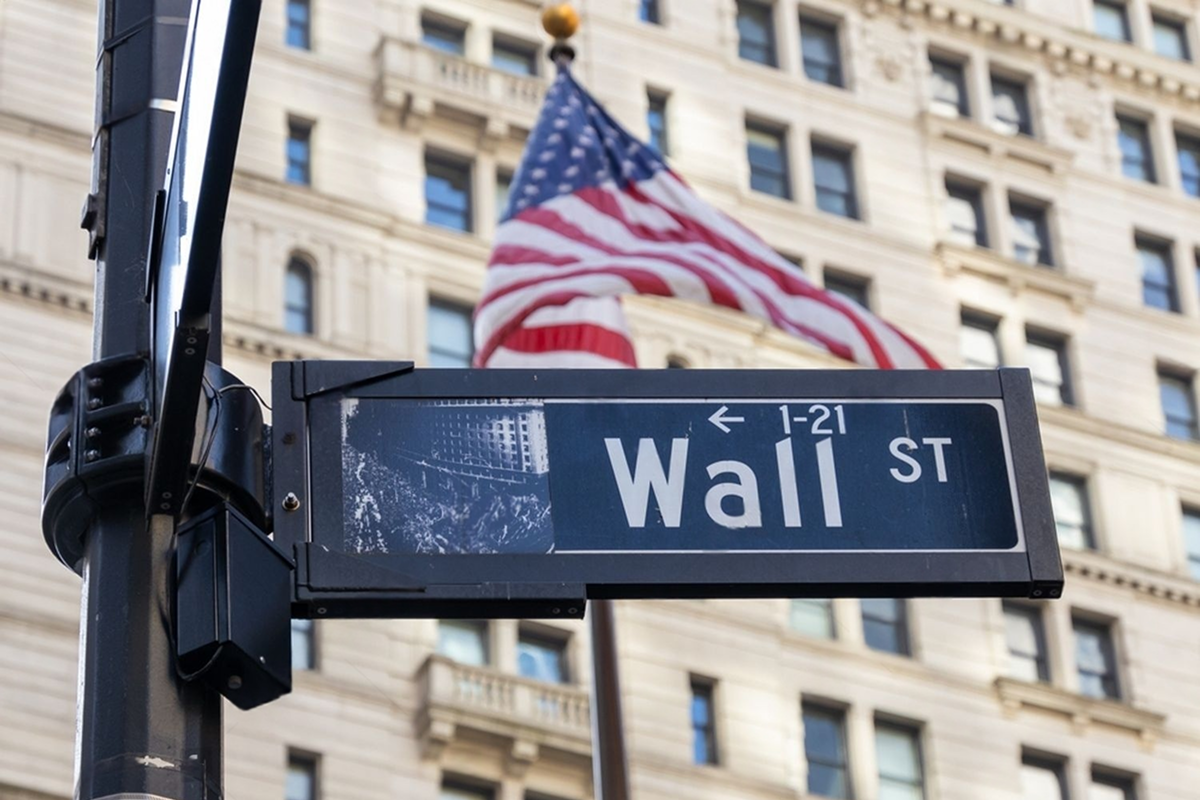
Wall Street closed lower on August 31 as a sharp rise in crude oil prices renewed concerns that geopolitical disruption could feed into broader inflation and force the Federal Reserve to maintain a tighter monetary stance. The decline came at the end of a volatile month that nevertheless delivered gains across all three major U.S. stock indexes, underscoring the tension between resilient equity momentum and growing macroeconomic risks.
The Dow Jones Industrial Average fell 0.70%, while the S&P 500 declined 0.33% and the Nasdaq slipped 0.12%. Rising Treasury yields added pressure to equities as investors reassessed the implications of higher energy costs and increasingly hawkish expectations for the Federal Reserve’s September policy meeting.
Oil Prices Become the Market’s New Inflation Test
The immediate catalyst for Monday’s weakness was the escalation in Middle East hostilities between the United States and Iran. Renewed airstrikes and the continuing disruption surrounding the Strait of Hormuz pushed crude prices sharply higher, raising concerns about the potential economic consequences of a prolonged supply disruption.
Energy markets matter well beyond the oil sector. Higher crude prices can eventually filter through transportation, manufacturing and consumer costs, creating broader inflationary pressure across the economy. For investors, the risk is that a sustained oil shock could complicate the Federal Reserve’s efforts to manage inflation while preserving economic growth.
That prospect weakened risk appetite on Wall Street and pushed benchmark Treasury yields higher. Equity markets have generally benefited from expectations of stable financial conditions and continued corporate earnings growth, but an extended period of elevated energy prices could challenge both assumptions.
Warsh’s Hawkish Tone Puts September in Focus
Investor attention was also directed toward comments made by Federal Reserve Chair Kevin Warsh at the Jackson Hole Symposium. His hawkish stance strengthened expectations that policymakers may be prepared to raise interest rates if inflation pressures intensify.
Financial markets are now pricing in more than a 65% probability of a 25-basis-point rate increase at the conclusion of September’s Federal Reserve meeting, according to CME’s FedWatch tool. That represents a significant shift in market positioning and places additional importance on upcoming inflation, employment and energy-price data.
The combination of higher oil prices and tighter monetary expectations creates a more demanding environment for equity valuations. Higher interest rates can increase borrowing costs and reduce the relative appeal of long-duration assets, particularly growth companies whose valuations depend heavily on expectations of future earnings.
Technology Resilience Supports August Gains
Despite Monday’s broad weakness, August remained a positive month for major U.S. indexes. The Nasdaq recorded the strongest percentage gain during the month as the artificial intelligence trade continued to support technology stocks, even after periods of volatility and profit-taking.
Nvidia and other semiconductor companies gained on Monday, providing some support to the technology-heavy Nasdaq and helping limit the broader market decline. The performance highlighted the continuing influence of AI-related investment themes on U.S. equity markets.
The Dow also recorded its fifth consecutive monthly advance, demonstrating that market strength during August was not confined exclusively to large technology companies. However, Monday’s trading illustrated how quickly geopolitical developments and inflation expectations can alter investor sentiment, particularly when markets are already positioned for a significant monetary policy decision.
September Could Test the Market’s Resilience
The next phase for Wall Street will depend heavily on whether the surge in energy prices proves temporary or develops into a more persistent inflationary problem. Investors will also closely monitor developments in the Middle East, Treasury yields and incoming U.S. economic data ahead of the Federal Reserve’s September meeting.
For global investors, including those in Israel with exposure to U.S. equities and dollar-denominated assets, the key issue will be whether markets can maintain their recent momentum while absorbing the possibility of higher interest rates. A moderation in oil prices could ease inflation concerns and support risk appetite, while further energy disruption could place additional pressure on equities and strengthen expectations of tighter monetary policy.
Comparison, examination, and analysis between investment houses
Leave your details, and an expert from our team will get back to you as soon as possible
* This article, in whole or in part, does not contain any promise of investment returns, nor does it constitute professional advice to make investments in any particular field.
To read more about the full disclaimer, click here
- Ronny Mor
- •
- 8 Min Read
- •
- ago 22 minutes
SKN | Boeing and Engineers Union Return to Negotiations as Wage Pressure Takes Center Stage
Boeing and the union representing thousands of engineers and technical workers are set to resume contract negotiations on September
- ago 22 minutes
- •
- 8 Min Read

Boeing and the union representing thousands of engineers and technical workers are set to resume contract negotiations on September

- orshu
- •
- 6 Min Read
- •
- ago 2 hours
SKN | August 31, 2026 Market Overview: U.S. Stocks Fall as IBOVESPA Gains 1%
Americas Markets End August With Mixed Performance The Americas markets closed August 31, 2026, with a mixed performance as Brazilian
- ago 2 hours
- •
- 6 Min Read

Americas Markets End August With Mixed Performance The Americas markets closed August 31, 2026, with a mixed performance as Brazilian
- Ronny Mor
- •
- 10 Min Read
- •
- ago 6 hours
SKN | Shifting Gears on Wall Street: Why Bank of America is Lowering its S&P 500 Warning Level
The volatility that characterized the markets in recent months is giving way to a reassessment among major institutional players
- ago 6 hours
- •
- 10 Min Read

The volatility that characterized the markets in recent months is giving way to a reassessment among major institutional players
- orshu
- •
- 7 Min Read
- •
- ago 7 hours
SKN | European Markets Close Lower as German and Eurozone Stocks Lead Broad Retreat
European markets closed August 31 with a predominantly negative tone, as major continental equity benchmarks moved lower while the
- ago 7 hours
- •
- 7 Min Read

European markets closed August 31 with a predominantly negative tone, as major continental equity benchmarks moved lower while the
