




- Lior mor
- •
- 8 Min Read
- •
- 1 minute ago


Key Points
- Apple alleges that a former engineer accessed proprietary circuit information after joining OpenAI, adding a new dimension to its trade secret dispute with the AI company.
- The technology giant says evidence emerged from a MacBook provided by OpenAI during legal proceedings, prompting Apple to seek faster discovery in federal court.
- The case highlights the growing legal risks surrounding talent mobility and intellectual property as competition intensifies across artificial intelligence and advanced hardware.
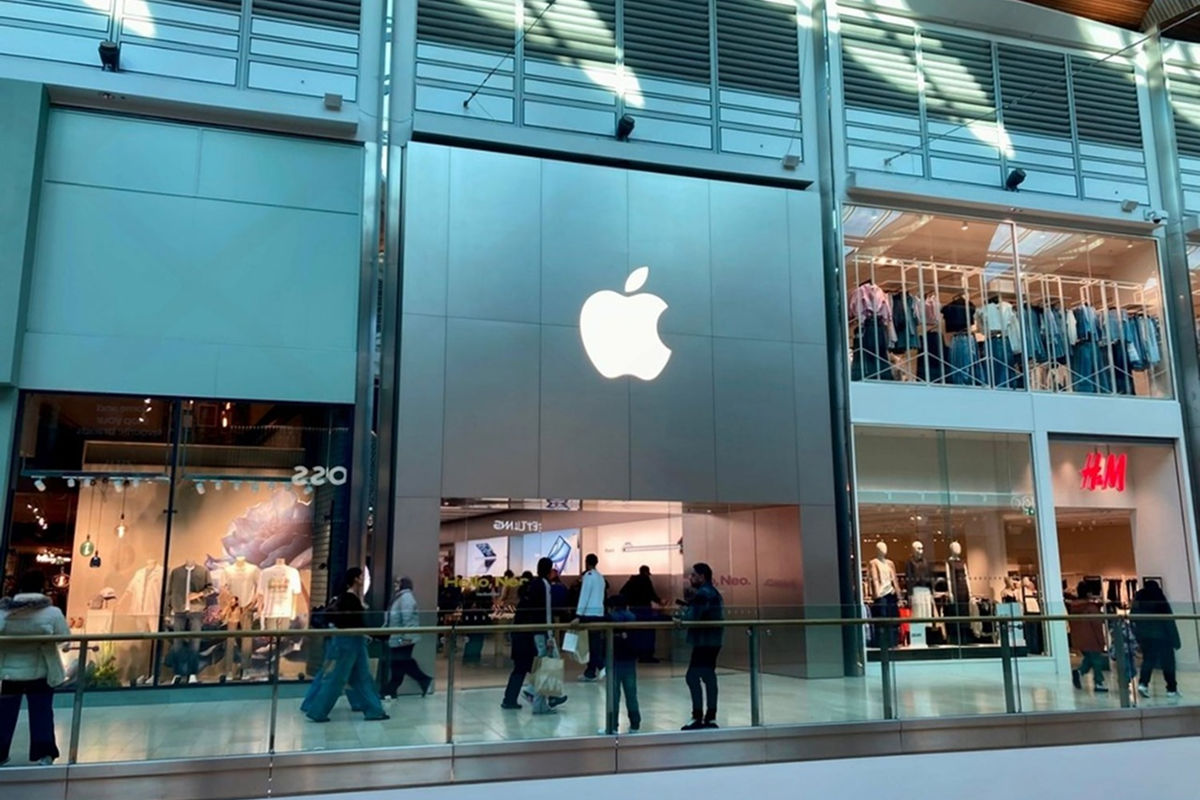
Apple has intensified its legal confrontation with OpenAI after alleging that a former senior electrical engineer accessed proprietary power-converter circuit plans while working at the artificial intelligence company. The latest court filing adds to a broader debate over trade secrets, employee mobility and the increasingly valuable intellectual property underlying competition between major technology companies.
The dispute also illustrates how the rapid expansion of artificial intelligence is creating new legal pressure points between companies operating across software, hardware and advanced computing. For investors, such cases can carry implications beyond courtroom damages, potentially affecting product development, corporate partnerships and the management of proprietary technology.
Apple Says New Evidence Emerged During Discovery
According to a filing in U.S. federal court, Apple alleged that Chang Liu, a former Apple senior system electrical engineer, accessed a proprietary power-converter circuit schematic while at OpenAI and used Apple information to train an AI agent in March 2026.
Apple said the alleged activity came to light after OpenAI provided the company with a MacBook computer on August 21 as part of the ongoing legal proceedings. Apple is now seeking to expedite discovery, arguing that the newly identified information warrants a faster examination of evidence connected to its broader trade secret claims.
The allegations remain claims made by Apple in litigation and have not been established as facts by a court. OpenAI has previously sought to dismiss Apple’s lawsuit, arguing that it is developing products that are entirely new. OpenAI did not immediately respond to a Reuters request for comment regarding the latest filing.
The Case Raises the Stakes for AI and Hardware Competition
The dispute is notable because it sits at the intersection of two increasingly competitive areas of technology: artificial intelligence and advanced computing hardware. While OpenAI is best known for its AI models and software products, the broader technology sector is moving toward tighter integration between software intelligence and the physical infrastructure required to power increasingly sophisticated systems.
For Apple, proprietary circuit designs and engineering information represent part of the technological foundation supporting its broader ecosystem. Protecting such information has become strategically important as major technology companies compete for engineers with expertise spanning semiconductors, power management, data infrastructure and AI systems.
The case also underscores a wider challenge facing the technology industry. Highly skilled employees frequently move between competing companies, particularly in the AI sector, where demand for experienced engineers has intensified. That mobility can create legal disputes when former employers believe confidential information or proprietary materials may have crossed corporate boundaries.
Discovery Could Determine the Direction of the Litigation
Apple’s request to accelerate discovery places immediate attention on what additional information may emerge from documents, devices and internal records. Discovery can become a critical stage in trade secret litigation because companies often seek to establish not only whether proprietary information was accessed, but also how it may have been used and whether it influenced commercial products or research.
The financial consequences of such disputes can vary widely. Legal costs, management distraction and reputational pressure may be significant even before a final judgment. More importantly, prolonged litigation can expose sensitive details about product development and corporate strategy, creating risks for companies operating in highly competitive markets.
For OpenAI, the dispute arrives during a period when scrutiny of AI companies is expanding beyond questions of model safety and regulation to include intellectual property, training data and the ownership of technology developed by employees and competitors.
What Investors Should Watch Next
The next stage of the case will depend heavily on how the court responds to Apple’s request for expedited discovery and whether additional evidence supports or challenges the company’s allegations. The dispute may also become a broader test of how courts address the use of proprietary information in an era where employees can apply technical data to increasingly powerful AI systems.
For global technology markets, the larger issue is the rising value of intellectual property as AI competition accelerates. Investors will be watching whether the litigation remains a dispute between Apple and OpenAI or develops into a more significant precedent for technology companies seeking to protect confidential engineering information while competing for the industry’s most sought-after talent.
Comparison, examination, and analysis between investment houses
Leave your details, and an expert from our team will get back to you as soon as possible
* This article, in whole or in part, does not contain any promise of investment returns, nor does it constitute professional advice to make investments in any particular field.
To read more about the full disclaimer, click here
- omer bar
- •
- 9 Min Read
- •
- ago 1 minute
SKN | Amazon Faces FTC and 22-State Lawsuit Over Advertising Auction Practices
Amazon is facing a new and potentially significant regulatory challenge after the U.S. Federal Trade Commission, joined by a
- ago 1 minute
- •
- 9 Min Read

Amazon is facing a new and potentially significant regulatory challenge after the U.S. Federal Trade Commission, joined by a

- sagi habasov
- •
- 8 Min Read
- •
- ago 6 hours
SKN | The Physical AI Revolution: Will Automakers Lead the $138 Billion Humanoid Robot Market?
The rapid evolution in physical artificial intelligence is shifting the financial markets' focus from pure software applications toward advanced
- ago 6 hours
- •
- 8 Min Read
The rapid evolution in physical artificial intelligence is shifting the financial markets' focus from pure software applications toward advanced
- omer bar
- •
- 9 Min Read
- •
- ago 14 hours
SKN | The European Tech Race: Will These Software Stocks Beat the AI Revolution in 2026?
In a year where artificial intelligence continues to rewrite the rules of the game on Wall Street and across
- ago 14 hours
- •
- 9 Min Read

In a year where artificial intelligence continues to rewrite the rules of the game on Wall Street and across

- Ronny Mor
- •
- 6 Min Read
- •
- ago 18 hours
SKN | OpenAI’s Massive Mac Purchase Signals a New AI Infrastructure Trend as Anthropic Turns to AWS
OpenAI and Anthropic are reportedly taking different approaches to using Apple hardware for artificial-intelligence workloads, highlighting how AI infrastructure is
- ago 18 hours
- •
- 6 Min Read
OpenAI and Anthropic are reportedly taking different approaches to using Apple hardware for artificial-intelligence workloads, highlighting how AI infrastructure is
