




- omer bar
- •
- 6 Min Read
- •
- 23 seconds ago


Key Points
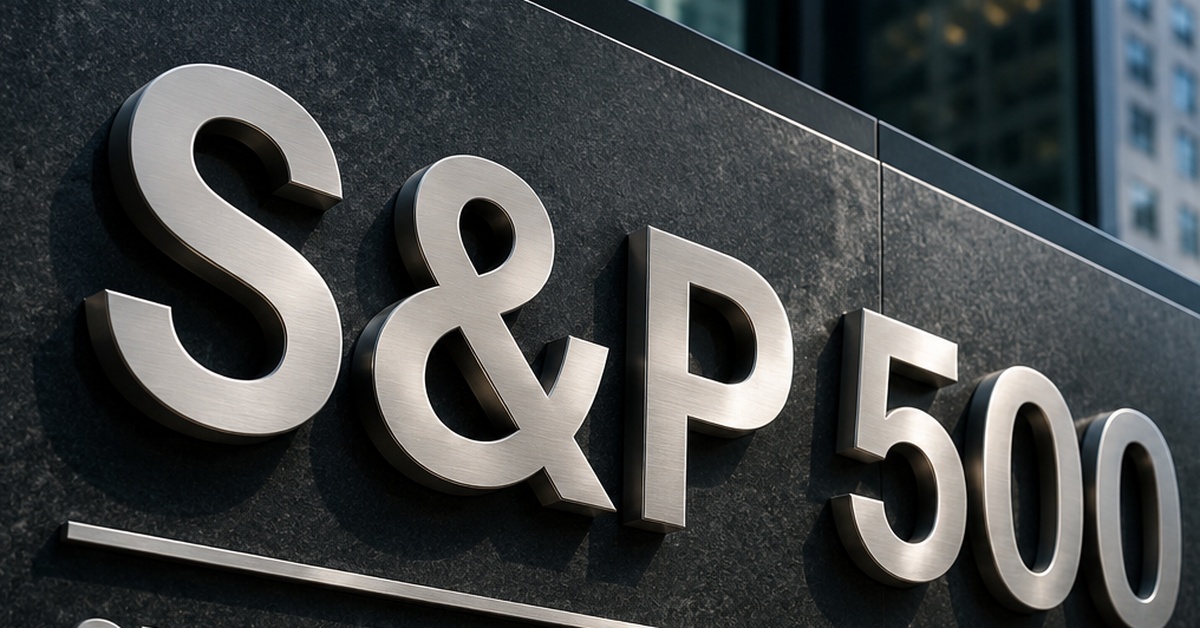
- The S&P 500 fell 0.25% Friday to 7,711.76, but still gained 0.5% for the week as investors weighed renewed inflation concerns.
- Nasdaq losses reached 0.52% as semiconductor stocks including Nvidia and Intel came under pressure, while the Dow slipped just 0.02%.
- Markets sharply increased the implied probability of a September Fed rate hike to 57.5% from 35.4% a day earlier following Kevin Warsh's Jackson Hole remarks.
Warsh Reignites Rate-Hike Concerns
U.S. stocks ended Friday lower as Federal Reserve Chairman Kevin Warsh’s comments at the Jackson Hole symposium prompted investors to reassess the path of monetary policy. The S&P 500 declined 0.25% to 7,711.76, while the Nasdaq Composite fell 0.52% to 26,402.42. The Dow Jones Industrial Average was comparatively resilient, losing only 9.45 points, or 0.02%, to finish at 53,559.99.
Despite Friday’s declines, the broader market remained positive for the week. The S&P 500 gained 0.5%, the Nasdaq advanced 0.9%, and the Dow added 0.5% for its first weekly gain in three weeks. The contrasting daily and weekly performances suggest investors remain willing to support equities, but are becoming more sensitive to signals that inflation could prevent monetary easing.
Warsh’s remarks were particularly important because he argued that recent PCE and CPI readings, although better than expected, did not demonstrate a meaningful improvement in underlying inflation trends. That message challenged the more optimistic interpretation of recent inflation data and introduced greater uncertainty around the Fed’s next policy decision.
Markets Reprice the September Fed Decision
The reaction was clearest in interest-rate markets. Fed funds futures showed the probability of a September rate increase rising to 57.5% on Friday, compared with 35.4% just one day earlier. Such a rapid adjustment demonstrates how strongly central-bank communication can influence asset prices when monetary policy expectations are already finely balanced.
Treasury yields at the short end of the curve initially moved higher following Warsh’s speech, reflecting increased expectations for tighter monetary policy. Longer-dated yields were comparatively stable. For equity investors, the development is significant because higher short-term rates can increase financing costs and reduce the relative attractiveness of risk assets, particularly when valuations already incorporate expectations for continued economic growth.
Technology Stocks Face Additional Pressure
The Nasdaq’s larger decline reflected weakness among semiconductor companies. Nvidia and Intel were among the stocks weighing on the technology-heavy index, reinforcing the market’s sensitivity to interest-rate expectations within growth-oriented sectors.
Investors were also processing individual corporate developments. Gap shares gained about 13% despite a mixed quarterly report after the retailer announced a new chief executive for Old Navy. By contrast, Marvell Technology plunged more than 10% after its current-quarter non-GAAP gross-margin guidance disappointed investors.
The divergent reactions illustrate the importance of company-specific expectations alongside macroeconomic policy. Even companies delivering solid financial results can face sharp selling when investors believe future growth or margins do not justify prevailing valuations.
What Investors Should Watch Next
The market now enters a crucial period in which incoming inflation and employment data will determine whether the heightened September rate-hike expectations persist. Investors will likely scrutinize evidence of underlying price pressures while monitoring Treasury yields and technology valuations for signs of broader risk repricing.
The S&P 500’s positive weekly performance shows that bullish sentiment has not disappeared, but Friday’s reaction indicates that the market has become less tolerant of inflation surprises. If upcoming data reinforces Warsh’s concerns, higher rates could become a more persistent headwind for equities; if inflation pressures moderate, the recent pullback could instead prove temporary.
Comparison, examination, and analysis between investment houses
Leave your details, and an expert from our team will get back to you as soon as possible
* This article, in whole or in part, does not contain any promise of investment returns, nor does it constitute professional advice to make investments in any particular field.
To read more about the full disclaimer, click here
- orshu
- •
- 8 Min Read
- •
- ago 2 hours
SKN | U.S. Stocks Open Lower as Small Caps Lead Broad Market Retreat
Markets across the Americas opened August 31 with a broadly cautious tone, as major U.S. equity indexes moved lower
- ago 2 hours
- •
- 8 Min Read
Markets across the Americas opened August 31 with a broadly cautious tone, as major U.S. equity indexes moved lower

- omer bar
- •
- 6 Min Read
- •
- ago 5 hours
SKN | Are Rising Oil Prices and Bond Yields Signaling a New Threat for Global Stocks?
Global equities entered the final trading session of August cautiously as renewed fighting between the U.S. and Iran added another
- ago 5 hours
- •
- 6 Min Read

Global equities entered the final trading session of August cautiously as renewed fighting between the U.S. and Iran added another
- orshu
- •
- 6 Min Read
- •
- ago 6 hours
SKN | Asian Markets Mixed on August 31, 2026 as China and South Korea Lead Gains
Asian markets closed mixed on August 31, 2026, as investors began the final session of August with renewed buying interest
- ago 6 hours
- •
- 6 Min Read

Asian markets closed mixed on August 31, 2026, as investors began the final session of August with renewed buying interest

- Lior mor
- •
- 7 Min Read
- •
- ago 3 days
SKN | Wall Street Ends Lower as Warsh Reinforces Inflation Fight and Rate Cut Expectations Shift
Wall Street finished lower on August 28, 2026, as investors reassessed monetary policy expectations following Federal Reserve Chair Kevin
- ago 3 days
- •
- 7 Min Read

Wall Street finished lower on August 28, 2026, as investors reassessed monetary policy expectations following Federal Reserve Chair Kevin
