




- Ronny Mor
- •
- 7 Min Read
- •
- 26 seconds ago


Key Points
- Nvidia has moved Groq 3 LPX into full production, accelerating the commercialization of technology acquired in its $20 billion purchase of Groq assets.
- The rack is designed for low-latency AI inference, addressing growing demand for faster response times as AI agents and coding applications become more sophisticated.
- The deployment alongside Nvidia's Vera and Rubin systems highlights a broader strategy of using specialized processors alongside GPUs rather than attempting to replace them.
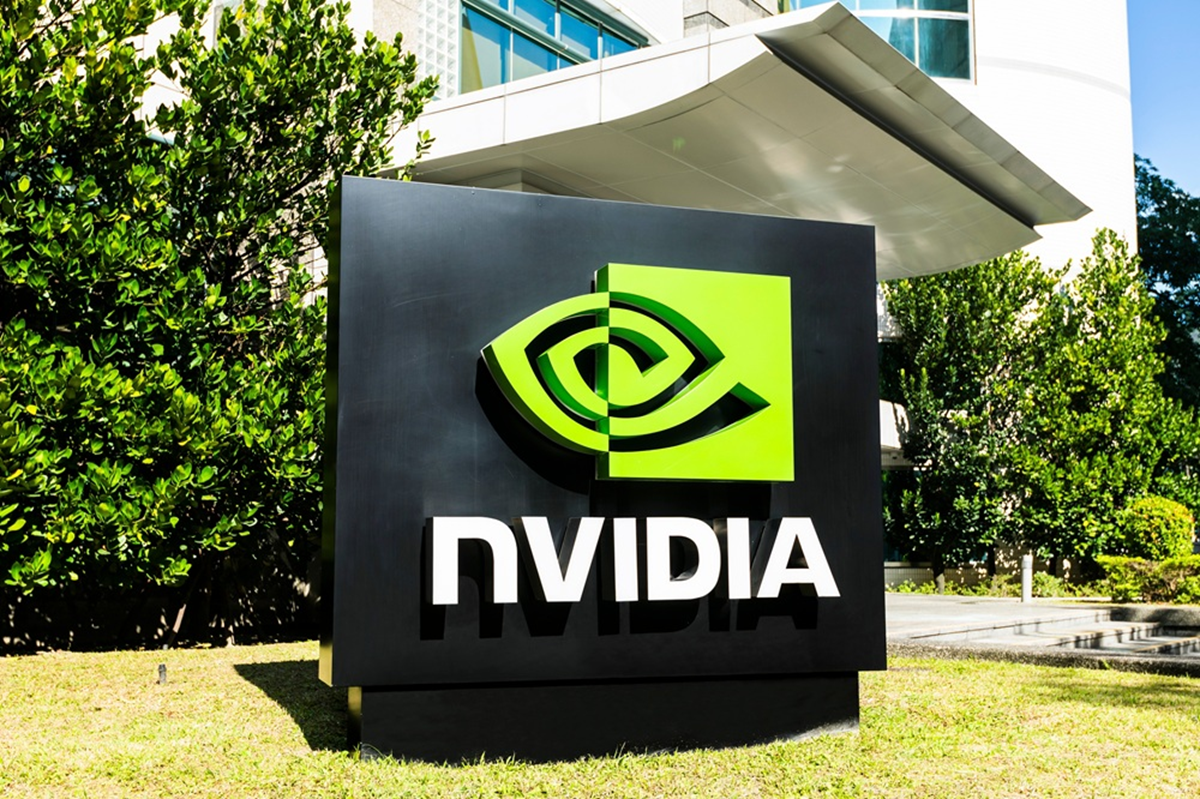
Nvidia is moving quickly to commercialize technology from Groq, with the Groq 3 LPX rack now in full production and expected to be deployed at neocloud provider Nebius later this year. The development comes as the AI infrastructure market increasingly shifts beyond model training toward inference, where speed and responsiveness are becoming important factors in the economics of serving AI applications.
Groq Technology Targets the Inference Bottleneck
The Groq 3 architecture is designed around low-latency inference, particularly the decode stage of serving AI models. Nvidia says the chip contains 500 megabytes of high-speed SRAM directly on the die, helping reduce memory-related bottlenecks that can slow response times.
Nvidia is packaging 256 Groq 3 chips into each LPX rack, with the company citing performance of 3,400 tokens per second based on an Artificial Analysis benchmark. The focus is not simply on raw computing capacity, but on delivering faster responses for latency-sensitive workloads, including coding and AI agents.
That capability could also support differentiated cloud services. Nvidia argues that faster token generation allows cloud providers to offer premium tiers to customers willing to pay for more responsive AI systems, potentially creating a commercial incentive for specialized inference hardware.
Nvidia Builds a Specialized Layer Around Its GPU Platform
The Groq deployment also clarifies Nvidia’s broader infrastructure strategy. Rather than positioning specialized inference chips as replacements for GPUs, the company is presenting them as complementary processors assigned to specific workloads.
Nvidia senior director Dion Harris described the approach as selecting the appropriate processor for each part of the workload. GPUs remain central to AI training and general-purpose inference, while Groq is intended to handle latency-sensitive decode workloads where specialized architecture can provide advantages.
The strategy is particularly relevant as AI infrastructure becomes increasingly heterogeneous. Nvidia is deploying Groq 3 LPX alongside Vera central processors and Rubin graphics processors at Nebius, creating a combination designed to divide workloads according to their computational requirements.
Competition Intensifies as Nvidia Prepares for Earnings
Nvidia’s move comes as competitors pursue similar opportunities in inference. AMD has announced rack-scale systems incorporating Cerebras technology, while OpenAI has introduced an Ultrafast mode powered by Cerebras. The competitive landscape suggests that reducing inference latency is becoming a distinct battleground within the broader AI semiconductor industry.
At the same time, Nvidia is continuing to scale its core Vera Rubin platform. The company began ramping shipments earlier this year, while CEO Jensen Huang has projected $1 trillion in cumulative sales from Blackwell and Vera Rubin systems through 2027. Huang has also indicated that a quarter of data-center capacity intended for coding applications could be allocated to Groq processors.
What Investors Will Watch Next
The commercialization of Groq technology gives Nvidia another avenue for capturing spending as AI workloads evolve from training toward large-scale inference. The immediate test will be whether customers adopt specialized racks at sufficient scale to justify the strategic importance of the acquisition and whether low-latency inference develops into a meaningful source of incremental infrastructure demand.
With Nvidia scheduled to report earnings on Wednesday, investors will also be watching for evidence of continued AI infrastructure spending, customer demand and the pace at which the company’s expanding portfolio of processors can translate technological advantages into sustained revenue growth.
Comparison, examination, and analysis between investment houses
Leave your details, and an expert from our team will get back to you as soon as possible
* This article, in whole or in part, does not contain any promise of investment returns, nor does it constitute professional advice to make investments in any particular field.
To read more about the full disclaimer, click here
- sagi habasov
- •
- 6 Min Read
- •
- ago 6 hours
SKN | Xpeng Robotics Valued Above $6.3 Billion After Record $900 Million Funding Round
Xpeng is accelerating its push beyond electric vehicles as its robotics division secures more than $900 million in its first
- ago 6 hours
- •
- 6 Min Read
Xpeng is accelerating its push beyond electric vehicles as its robotics division secures more than $900 million in its first

- Ronny Mor
- •
- 6 Min Read
- •
- ago 15 hours
SKN | Cerebras Unveils Record-Setting CS-4 AI Accelerator: What It Means for CBRS Stock
Cerebras Systems is giving investors another reason to focus on its position in the rapidly expanding AI accelerator market after
- ago 15 hours
- •
- 6 Min Read

Cerebras Systems is giving investors another reason to focus on its position in the rapidly expanding AI accelerator market after

- Lior mor
- •
- 7 Min Read
- •
- ago 2 days
SKN | Judge Yvonne Gonzalez Rogers Becomes Silicon Valley’s Key Decision Maker in Meta’s Antitrust Battle
Silicon Valley’s largest technology companies are increasingly facing legal challenges that could reshape the future of the digital economy.
- ago 2 days
- •
- 7 Min Read

Silicon Valley’s largest technology companies are increasingly facing legal challenges that could reshape the future of the digital economy.

- orshu
- •
- 7 Min Read
- •
- ago 2 days
SKN | Can Nvidia’s AI Growth Story Support a New Market Valuation Target?
Nvidia remains at the center of the global artificial intelligence investment cycle as analysts and fund managers reassess the
- ago 2 days
- •
- 7 Min Read
Nvidia remains at the center of the global artificial intelligence investment cycle as analysts and fund managers reassess the
