





- Ronny Mor
- •
- 6 Min Read
- •
- 2 months ago


Key Points
- SPDR Gold Shares, trading under the ticker GLD, provides investors with exposure to the price of gold through physical bullion held by the trust.
- The ETF offers a liquid way to track gold prices without requiring investors to purchase, store or insure physical metal themselves.
- GLD’s performance remains closely tied to gold prices, interest rates, the U.S. dollar, central-bank demand and global risk sentiment.

Gold remains a closely watched asset as investors assess inflation, monetary policy, geopolitical uncertainty and the direction of global interest rates. Against this backdrop, SPDR Gold Shares provides a widely used exchange-traded structure for gaining exposure to physical gold, linking the fund’s performance closely to movements in the underlying precious-metal market.
GLD Provides Direct Exposure to Physical Gold
SPDR Gold Shares, known by the ticker GLD, is designed to reflect the performance of gold bullion, less the trust’s expenses. Rather than investing primarily in gold-mining companies, the fund holds physical gold, giving investors a more direct connection to changes in the metal’s market price.
This structure distinguishes GLD from equity-based gold-mining ETFs. Mining companies can be affected by labor expenses, energy costs, production levels, capital expenditure, operational challenges and company-specific risks. GLD, by contrast, is primarily influenced by the value of the physical gold held by the trust.
The exchange-traded structure also allows investors to gain gold exposure through conventional brokerage accounts without having to arrange physical storage and insurance. This has contributed to the fund’s role as an important vehicle for investors seeking exposure to precious metals within broader portfolios.
Interest Rates and the Dollar Remain Key Drivers
Gold does not generate interest or dividends, making the opportunity cost associated with holding the metal an important factor for markets. When real interest rates decline, gold can become relatively more attractive compared with assets offering fixed income. Conversely, higher real yields can create greater competition for non-income-producing assets.
The U.S. dollar is another major influence. Because gold is primarily priced in dollars, changes in the currency can affect purchasing power for international investors and influence global demand. Expectations surrounding Federal Reserve policy can therefore affect both the dollar and gold simultaneously.
For investors in Israel and global markets, this relationship means that GLD can respond to macroeconomic developments well beyond the precious-metals sector. Inflation expectations, monetary-policy decisions, currency movements and changes in bond yields can all influence the ETF through their impact on gold prices.
Central Banks and Global Risk Could Shape the Outlook
Central-bank purchases and geopolitical uncertainty have also become important considerations for the gold market. Official-sector demand can provide structural support for gold, while periods of heightened geopolitical or financial uncertainty can increase investor interest in traditional safe-haven assets. However, gold prices can also experience significant reversals when market expectations change.
Going forward, investors will be watching real interest rates, the U.S. dollar, central-bank gold purchases, inflation expectations and geopolitical developments. For GLD, the central question is whether these forces can continue supporting gold demand as global monetary and economic conditions evolve. The fund’s direct exposure to physical gold makes its performance closely dependent on the underlying commodity, while changes in investor sentiment can still produce substantial price movements over time.
Comparison, examination, and analysis between investment houses
Leave your details, and an expert from our team will get back to you as soon as possible
* This article, in whole or in part, does not contain any promise of investment returns, nor does it constitute professional advice to make investments in any particular field.
To read more about the full disclaimer, click here
- Ronny Mor
- •
- 6 Min Read
- •
- ago 16 hours
SKN | Natural Gas Under Pressure: What Does BOIL Mean for Leveraged Exposure?
The U.S. natural gas market is entering the heating season with inventories above the five-year average, while domestic production remains
- ago 16 hours
- •
- 6 Min Read

The U.S. natural gas market is entering the heating season with inventories above the five-year average, while domestic production remains

- Lior mor
- •
- 6 Min Read
- •
- ago 3 days
SKN | Bitcoin’s Institutional Investment Channel: What Is Driving IBIT?
Spot Bitcoin ETFs have established a new channel for investors seeking cryptocurrency exposure through traditional brokerage accounts and exchange-traded products.
- ago 3 days
- •
- 6 Min Read
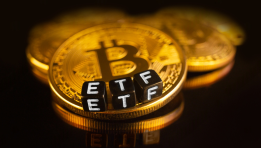
Spot Bitcoin ETFs have established a new channel for investors seeking cryptocurrency exposure through traditional brokerage accounts and exchange-traded products.

- omer bar
- •
- 6 Min Read
- •
- ago 4 days
SKN | AI and Chip Demand Drive Semiconductor Stocks: What Does SMH Offer Investors?
The global semiconductor industry remains at the center of the investment cycle surrounding artificial intelligence, data centers and advanced computing.
- ago 4 days
- •
- 6 Min Read

The global semiconductor industry remains at the center of the investment cycle surrounding artificial intelligence, data centers and advanced computing.

- sagi habasov
- •
- 7 Min Read
- •
- ago 4 days
SKN | Retail Investors Are Betting Big on Long-Term Treasuries After a Historic Bond Selloff
Retail investors are increasingly moving into long-duration U.S. Treasury exposure despite one of the most difficult periods for the
- ago 4 days
- •
- 7 Min Read

Retail investors are increasingly moving into long-duration U.S. Treasury exposure despite one of the most difficult periods for the

