




- sagi habasov
- •
- 7 Min Read
- •
- 1 minute ago


Key Points
- DoorDash has expanded its retail delivery ecosystem by partnering with Gap, Kohl’s, Barnes & Noble, Carter’s and other major back-to-school brands.
- The initiative allows customers to order school clothing, supplies, books and children’s essentials through the DoorDash platform.
- The move highlights the growing competition in e-commerce and last-mile delivery as retailers seek faster and more convenient shopping solutions.
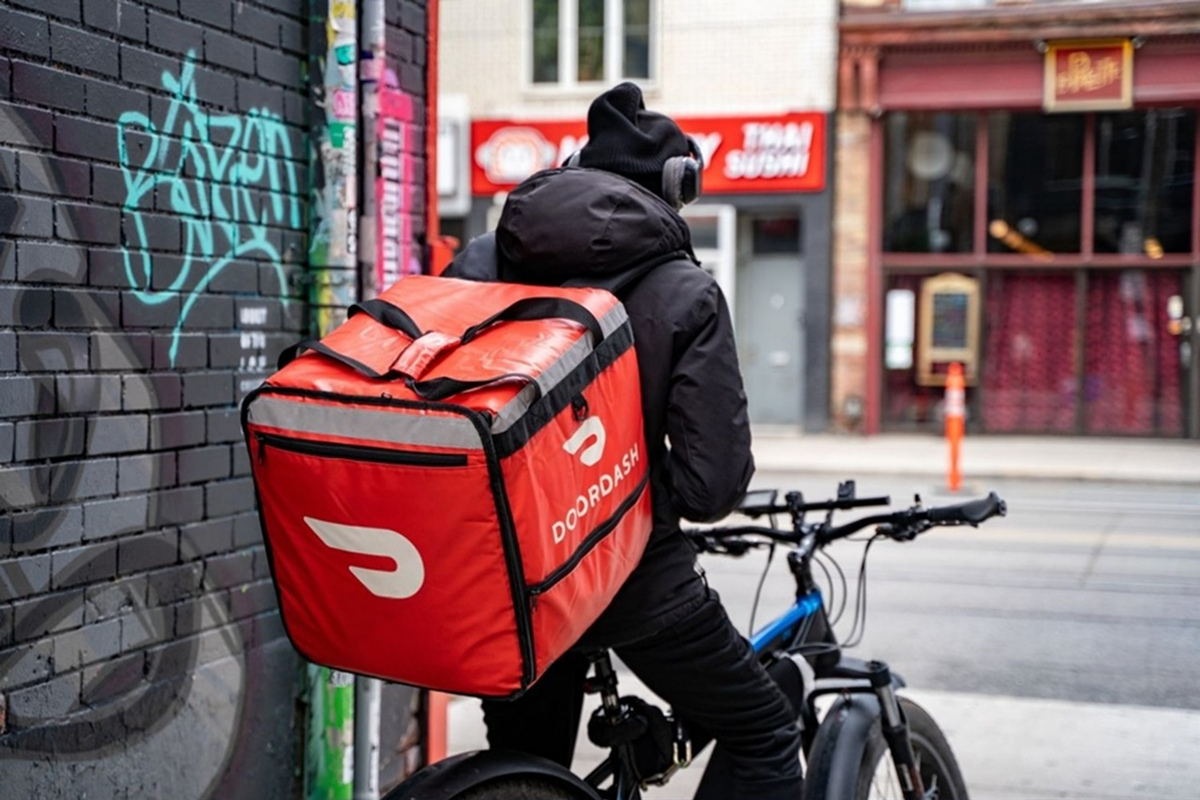
DoorDash is strengthening its position beyond restaurant delivery by expanding partnerships with major retail brands ahead of the 2026–2027 back-to-school season. The company’s collaboration with Gap, Kohl’s, Barnes & Noble, Carter’s and other retailers reflects a broader shift in consumer behavior toward integrated digital shopping platforms that combine convenience, selection and rapid delivery.
The expansion comes as retailers continue adapting to changing shopping habits, with consumers increasingly looking for flexible purchasing options that reduce the need for multiple store visits. For DoorDash, the initiative represents another step in building a broader marketplace that extends beyond food delivery into everyday retail needs.
DoorDash Builds Broader Retail Marketplace
Through the new partnerships, shoppers can add products from participating brands directly to their DoorDash carts, including school clothing, educational materials, books and children’s essentials. The company said the service is designed to help families save time during one of the busiest shopping periods of the year.
Back-to-school shopping represents a significant seasonal opportunity for retailers, as families typically purchase a wide range of products within a limited timeframe. By integrating these categories into its platform, DoorDash aims to capture additional consumer spending while increasing engagement with its digital ecosystem.
Retailers Seek New Digital Channels for Consumer Reach
The partnerships with established brands such as Gap, Gap Factory, Kohl’s, Carter’s and Barnes & Noble demonstrate how traditional retailers are increasingly using third-party platforms to improve accessibility and customer convenience. Digital marketplaces allow retailers to reach consumers who prioritize speed and simplified purchasing experiences.
For retailers, partnerships with delivery platforms can provide additional sales channels without requiring customers to visit physical locations. The strategy is particularly relevant as companies continue balancing investments in stores, online operations and fulfillment capabilities.
Competition Intensifies in Last-Mile Delivery and E-Commerce
DoorDash’s expansion reflects broader competition in the last-mile delivery sector, where companies are attempting to become essential consumer platforms rather than single-purpose services. The company has increasingly diversified its offerings through grocery, convenience and retail categories as consumer expectations around delivery continue to evolve.
The move also highlights the importance of operational efficiency in e-commerce. Successful expansion into retail requires reliable logistics networks, strong partnerships and the ability to manage delivery costs while maintaining customer satisfaction.
Strategic Growth Beyond Food Delivery
DoorDash’s retail strategy could become an important component of its long-term growth model as the company seeks new sources of revenue beyond its core restaurant business. Expanding partnerships with recognizable brands may strengthen customer retention and increase the frequency of platform usage.
However, the company will need to navigate challenges including competition from other digital marketplaces, changing consumer spending patterns and the complexity of delivering a wider range of products. The performance of these retail initiatives will provide insight into whether delivery platforms can successfully transform into broader commerce ecosystems.
Going forward, investors will continue monitoring DoorDash’s ability to scale its retail partnerships, improve operational efficiency and capture additional consumer demand across categories. The expansion into back-to-school shopping represents another test of whether digital delivery platforms can play a larger role in the future of retail.
Comparison, examination, and analysis between investment houses
Leave your details, and an expert from our team will get back to you as soon as possible
* This article, in whole or in part, does not contain any promise of investment returns, nor does it constitute professional advice to make investments in any particular field.
To read more about the full disclaimer, click here
- Ronny Mor
- •
- 6 Min Read
- •
- ago 2 hours
SKN | Vatican’s Renewable Energy Project Signals New Push Into Solar and Agrivoltaic Power
The Vatican is preparing a major renewable energy project that could allow the Holy See to meet its electricity
- ago 2 hours
- •
- 6 Min Read

The Vatican is preparing a major renewable energy project that could allow the Holy See to meet its electricity

- Lior mor
- •
- 6 Min Read
- •
- ago 2 hours
SKN | Tesla and Waymo Lead the Race to Scale Autonomous Vehicles in the U.S.
The autonomous vehicle industry is entering a critical phase as companies move from technological development toward broader commercial deployment.
- ago 2 hours
- •
- 6 Min Read
The autonomous vehicle industry is entering a critical phase as companies move from technological development toward broader commercial deployment.

- omer bar
- •
- 7 Min Read
- •
- ago 4 hours
SKN | Anthropic IPO Could Redefine the AI Market With Potential $100 Billion Fundraising
Anthropic, one of the leading companies in the artificial intelligence sector, is reportedly exploring plans for a potential initial
- ago 4 hours
- •
- 7 Min Read

Anthropic, one of the leading companies in the artificial intelligence sector, is reportedly exploring plans for a potential initial
- Ronny Mor
- •
- 7 Min Read
- •
- ago 23 hours
SKN | OpenAI Cuts GPT-5.6 Sol Pricing as AI Competition Intensifies
OpenAI is cutting the price of its flagship GPT-5.6 Sol model by more than 20% for the next three
- ago 23 hours
- •
- 7 Min Read

OpenAI is cutting the price of its flagship GPT-5.6 Sol model by more than 20% for the next three
