




- omer bar
- •
- 7 Min Read
- •
- 2 hours ago


Key Points
- The FTSE 100 fell 0.2% to 10,750.11, recording its first weekly decline since early July as mining shares weakened.
- The FTSE 350 industrial metals and mining index dropped 4.1% during the week as copper prices declined and production concerns pressured miners.
- Software and data companies gained after reports of a potential Silver Lake-Workday deal lifted sentiment across the technology sector.
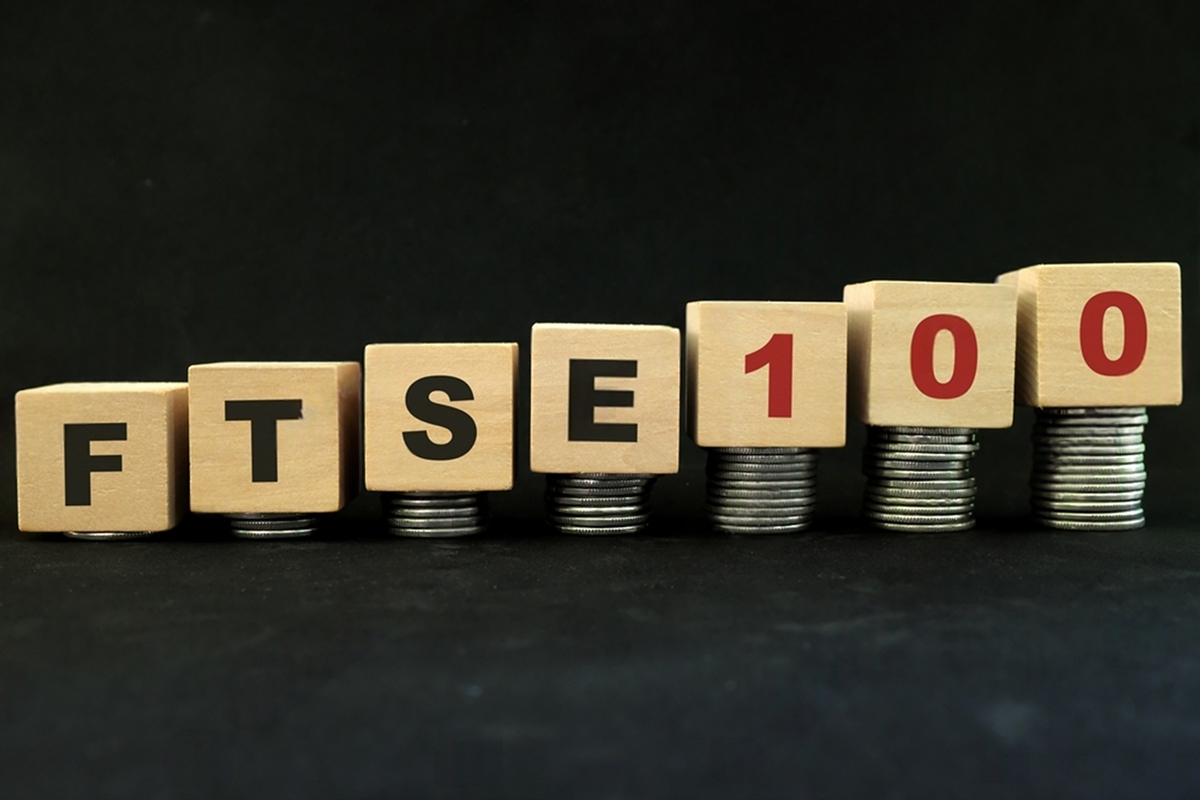
London’s FTSE 100 closed lower on August 14 as mining stocks weighed on the benchmark, offsetting gains in software and data-related companies. The decline marked the index’s first weekly loss in five weeks as investors balanced weaker commodity prices, global economic signals and ongoing geopolitical uncertainty.
Mining Sector Drives Weekly FTSE 100 Decline
The FTSE 100 declined 0.2% to 10,750.11 points, ending its longest weekly winning streak since early July. The broader weakness was largely driven by miners, which faced pressure from falling copper prices and concerns over production outlooks.
Antofagasta was among the largest decliners, falling 4.6% for a second consecutive session after the company provided a disappointing production outlook. The move reflected broader concerns across the mining sector as investors reassessed commodity demand expectations and company-specific challenges.
The FTSE 350 industrial metals and mining index fell 4.1% during the week, marking its weakest weekly performance since late June. The decline highlights the sensitivity of resource companies to changes in commodity prices, particularly copper, which is closely linked to global industrial activity and energy-transition demand.
Technology and Data Companies Provide Sector Support
While mining shares struggled, parts of the technology and business-services sectors gained momentum. Shares of Sage Group, Experian and RELX increased between 1.4% and 4.4% after reports that private equity firm Silver Lake was in talks to acquire U.S. software company Workday.
The reported transaction supported sentiment toward software and data companies by reinforcing investor interest in technology assets. The move demonstrated that corporate deal activity remains an important market driver, particularly in sectors where investors continue to seek long-term growth opportunities.
However, the contrast between technology gains and mining weakness also reflected a broader shift in market leadership. Commodity-linked companies, which had supported parts of the European market during periods of higher raw-material prices, faced renewed pressure as investors evaluated global demand conditions.
Interest Rates and Geopolitical Risks Remain in Focus
European markets continued to assess the implications of monetary policy and geopolitical developments. Global equities remained close to record levels after moderate U.S. inflation data reduced expectations of additional Federal Reserve rate increases this year.
In the UK, comments from Bank of England Chief Economist Huw Pill indicated that stronger-than-expected economic growth could support the case for higher borrowing costs. Data showing that UK gross domestic product increased 0.3% in June reinforced expectations that the central bank may maintain a cautious approach toward inflation.
Market pricing suggests traders expect at least one 25-basis-point rate increase from the Bank of England by the end of the year, according to LSEG-compiled data. Higher rates could influence valuations across sectors, particularly companies sensitive to borrowing costs.
Corporate Results Highlight Market Selectivity
Individual company developments also shaped the session. Ladbrokes owner Entain rose 2.1% after exceeding first-half profit expectations, while identity technology company GB Group declined nearly 31%, its largest one-day fall, after reducing its annual revenue growth forecast.
The contrasting reactions demonstrate a more selective market environment in which investors are rewarding companies that deliver stronger operational performance while reassessing businesses facing slower growth expectations.
Looking ahead, investors will monitor commodity prices, UK monetary-policy expectations, corporate earnings updates and geopolitical developments for signals about the next direction of European equities. The FTSE 100’s recent decline highlights the importance of sector composition, with mining weakness offsetting strength in technology-related companies. Future performance will likely depend on whether commodity demand stabilizes, economic growth remains resilient and corporate earnings continue to support current market valuations.
Comparison, examination, and analysis between investment houses
Leave your details, and an expert from our team will get back to you as soon as possible
* This article, in whole or in part, does not contain any promise of investment returns, nor does it constitute professional advice to make investments in any particular field.
To read more about the full disclaimer, click here
- Lior mor
- •
- 7 Min Read
- •
- ago 2 hours
SKN | Stellantis Considers Canada Plant Sale as Tariffs Reshape North American Auto Strategy
Stellantis is evaluating the future of its Brampton, Ontario, manufacturing facility, with Canada’s autoworker union Unifor saying the company
- ago 2 hours
- •
- 7 Min Read

Stellantis is evaluating the future of its Brampton, Ontario, manufacturing facility, with Canada’s autoworker union Unifor saying the company

- sagi habasov
- •
- 7 Min Read
- •
- ago 3 hours
SKN | Tech Stocks Pressure Wall Street as Investors Assess Retail Data and Geopolitical Risks
Wall Street moved lower on August 14 as technology stocks pulled major indexes away from recent highs, following a record
- ago 3 hours
- •
- 7 Min Read

Wall Street moved lower on August 14 as technology stocks pulled major indexes away from recent highs, following a record

- orshu
- •
- 7 Min Read
- •
- ago 4 hours
SKN | Tel Aviv Market Ends Lower as TA-35 Slips 0.33% While Value Stocks Outperform
The Tel Aviv Stock Exchange ended the session with modest losses across its major equity benchmarks, reflecting a softer trading
- ago 4 hours
- •
- 7 Min Read

The Tel Aviv Stock Exchange ended the session with modest losses across its major equity benchmarks, reflecting a softer trading
- orshu
- •
- 7 Min Read
- •
- ago 4 hours
SKN | European Markets Show Mixed Performance as German Stocks Lead Regional Gains
European markets closed with a mixed performance on August 14, as strength in German equities contrasted with declines across
- ago 4 hours
- •
- 7 Min Read

European markets closed with a mixed performance on August 14, as strength in German equities contrasted with declines across


