




- orshu
- •
- 7 Min Read
- •
- 2 hours ago


Key Points
- Germany’s DAX gained 0.53% to 26,440.31, leading major European equity markets as investors favored selected regional assets.
- The FTSE 100 declined 0.21% to 10,750.11, while the CAC 40 and EURO STOXX 50 also recorded modest declines.
- The euro and British pound strengthened, rising 0.40% and 0.47% respectively, highlighting a firmer European currency environment.
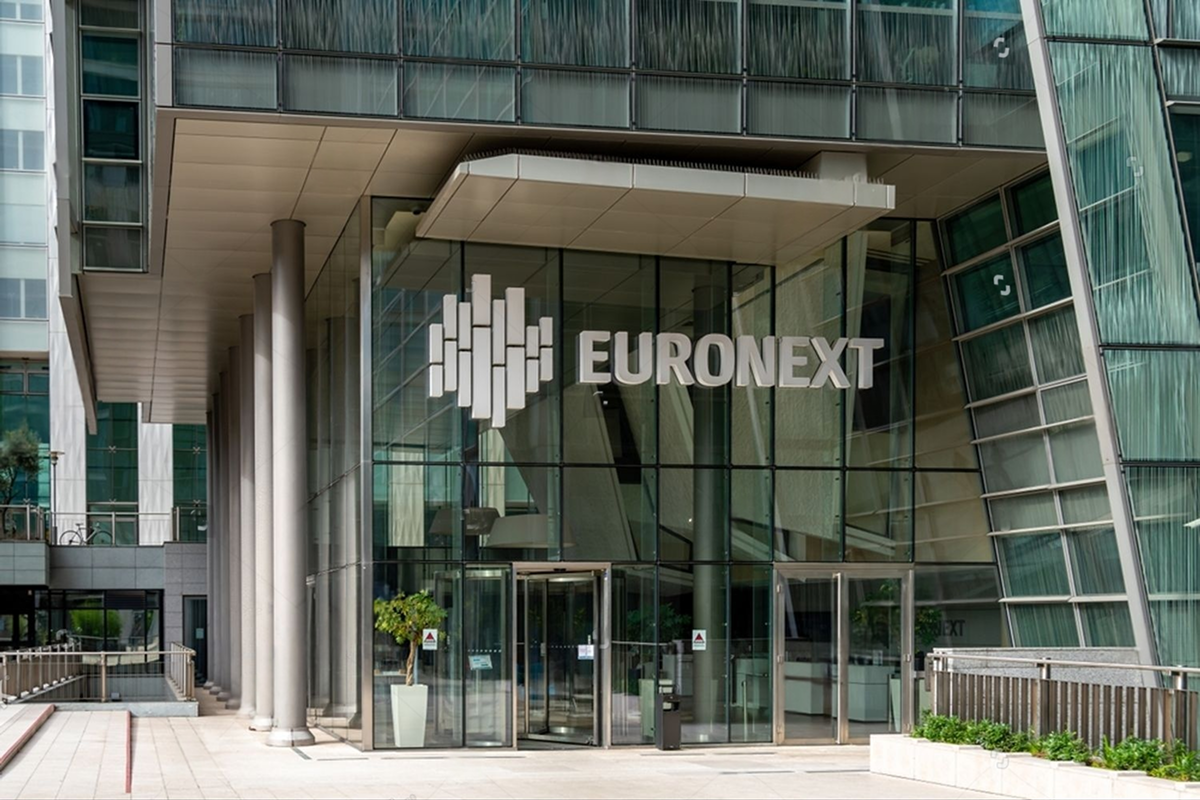
European markets closed with a mixed performance on August 14, as strength in German equities contrasted with declines across several other major benchmarks. The DAX led regional gains, while the FTSE 100, CAC 40 and broader European indexes experienced modest pressure. Currency markets moved higher, with both the euro and British pound gaining ground against a backdrop of improved sentiment toward European assets.
German Equities Lead Regional Recovery
Germany’s DAX advanced 0.53% to 26,440.31, emerging as the strongest performer among the major European equity benchmarks. The move reflected stronger investor interest in German-listed companies and provided a positive signal within the broader European market landscape.
The DAX’s performance highlights the continued importance of Germany’s industrial and export-oriented sectors within European equities. These companies remain closely connected to global economic conditions, manufacturing activity and international demand trends.
The stronger performance in Germany also contrasted with weaker moves in other major European markets, suggesting that investors were taking a more selective approach rather than applying a uniform view across the region.
European Benchmarks Diverge as Investors Remain Selective
The broader European picture remained uneven. The MSCI Europe gained 0.07% to 2,899.36, indicating limited overall improvement across the region. However, the EURO STOXX 50 declined 0.09% to 6,539.59, while France’s CAC 40 fell 0.16% to 8,636.80.
The FTSE 100 declined 0.21% to 10,750.11, extending pressure on the UK benchmark. The weaker performance came despite gains in the British pound, showing that currency strength did not translate directly into equity gains during the session.
The Euronext 100 Index recorded the largest decline among the tracked European benchmarks, falling 0.26% to 1,969.87. The divergence between indexes reflects differences in sector exposure, company composition and investor positioning across European markets.
Currencies Strengthen as Euro and Pound Gain
European currencies showed a stronger performance during the session. The British Pound Index increased 0.47% to 135.49, while the Euro Index gained 0.40% to 115.75.
The currency gains provide an important context for international investors because exchange-rate movements can influence returns from European assets. A stronger currency can affect multinational companies differently depending on their exposure to international revenues, export markets and imported costs.
The simultaneous rise in both the euro and pound suggests that currency markets were reflecting relatively stable sentiment toward European financial conditions. However, future movements will continue to depend on inflation trends, central-bank expectations and economic data releases across the region.
European Markets Await Economic Signals
The latest session demonstrates that European equities remain influenced by regional differences in economic exposure and sector performance. While Germany provided leadership, broader benchmarks showed limited momentum, indicating that investors continue to evaluate individual markets rather than moving uniformly into European assets.
For global investors, the combination of mixed equity performance and stronger currencies highlights the importance of monitoring both stock-market trends and foreign-exchange movements when assessing European opportunities.
Looking ahead, investors will monitor upcoming economic data, corporate earnings updates, monetary-policy signals and currency movements to determine whether European equities can maintain their resilience. The ability of major economies such as Germany to sustain momentum, alongside developments in the euro and pound, will remain important factors shaping regional market direction. Continued divergence between European indexes may also provide insight into which sectors and economies are gaining investor confidence in the months ahead.
Comparison, examination, and analysis between investment houses
Leave your details, and an expert from our team will get back to you as soon as possible
* This article, in whole or in part, does not contain any promise of investment returns, nor does it constitute professional advice to make investments in any particular field.
To read more about the full disclaimer, click here
- Ronny Mor
- •
- 7 Min Read
- •
- ago 26 minutes
SKN | Rising Real Yields Create New Market Risk as AI Investment and Government Borrowing Expand
Global bond markets are facing a new challenge as inflation-adjusted borrowing costs rise sharply across major economies, driven by
- ago 26 minutes
- •
- 7 Min Read

Global bond markets are facing a new challenge as inflation-adjusted borrowing costs rise sharply across major economies, driven by

- sagi habasov
- •
- 7 Min Read
- •
- ago 1 hour
SKN | Tech Stocks Pressure Wall Street as Investors Assess Retail Data and Geopolitical Risks
Wall Street moved lower on August 14 as technology stocks pulled major indexes away from recent highs, following a record
- ago 1 hour
- •
- 7 Min Read

Wall Street moved lower on August 14 as technology stocks pulled major indexes away from recent highs, following a record

- orshu
- •
- 7 Min Read
- •
- ago 2 hours
SKN | Tel Aviv Market Ends Lower as TA-35 Slips 0.33% While Value Stocks Outperform
The Tel Aviv Stock Exchange ended the session with modest losses across its major equity benchmarks, reflecting a softer trading
- ago 2 hours
- •
- 7 Min Read

The Tel Aviv Stock Exchange ended the session with modest losses across its major equity benchmarks, reflecting a softer trading
- orshu
- •
- 7 Min Read
- •
- ago 5 hours
SKN | U.S. Stocks Hold Near Records as Small Caps Lead While Dollar Weakens
U.S. equities were broadly stable on August 14, with small-cap stocks modestly outperforming larger benchmarks as investors assessed markets
- ago 5 hours
- •
- 7 Min Read

U.S. equities were broadly stable on August 14, with small-cap stocks modestly outperforming larger benchmarks as investors assessed markets


