





- sagi habasov
- •
- 8 Min Read
- •
- 2 hours ago
Key Points
- The European Central Bank is leaning toward approving UniCredit’s proposed takeover of Commerzbank, according to an internal document outlining its preliminary assessment.
- The ECB found no grounds to object but warned that integration would be challenging and long-lasting, with governance and capital risks requiring mitigation.
- The potential combination could reshape Europe’s banking landscape while placing greater scrutiny on UniCredit’s governance, capital position and ability to integrate the German lender.
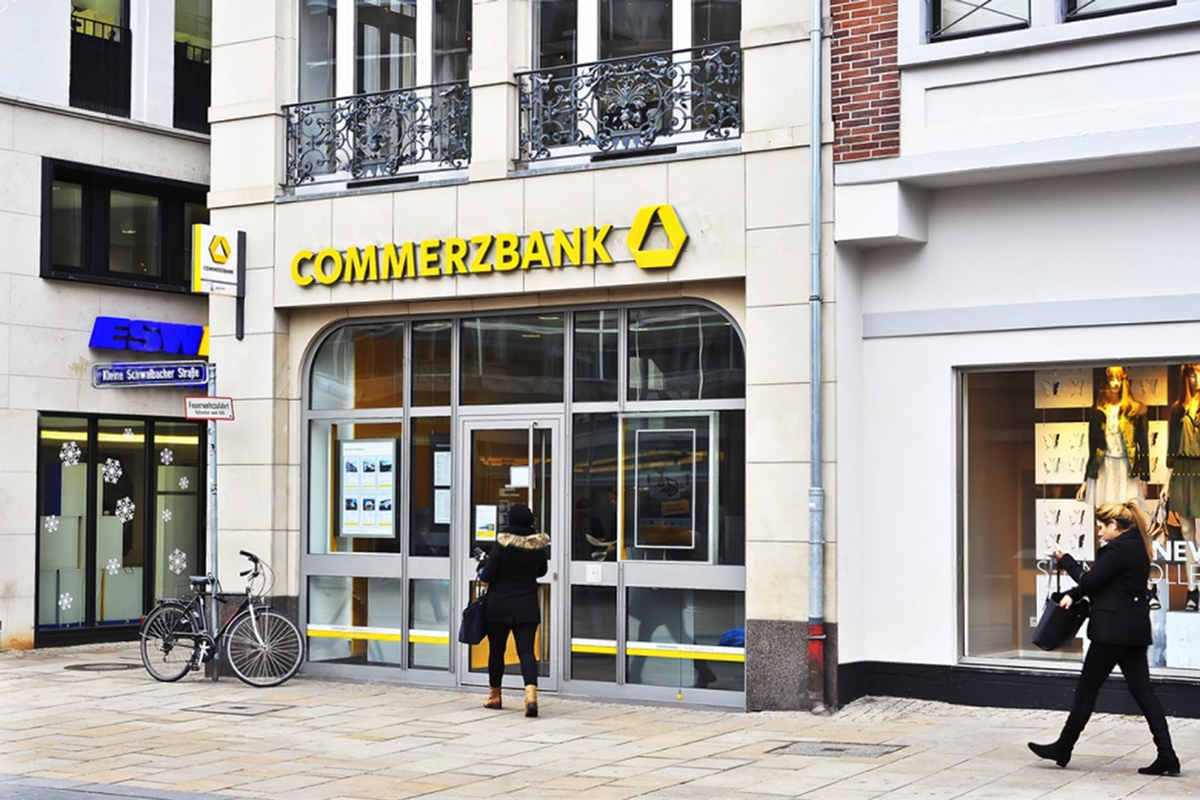
The European Central Bank is leaning toward approving UniCredit’s proposed takeover of Commerzbank, according to an internal document detailing the regulator’s preliminary view. The potential transaction represents another significant step in the consolidation of Europe’s banking sector, although the ECB has identified governance, capital and integration risks that would need to be addressed.
ECB Sees No Grounds to Object
The ECB’s preliminary assessment found “no grounds to object” to UniCredit’s attempt to increase its influence over Commerzbank, according to the document reviewed by Reuters. The position represents an important regulatory signal for UniCredit as it seeks to advance a transaction that would create one of Europe’s largest banking groups.
Regulatory approval remains a critical component of any cross-border banking combination because large institutions operate under extensive capital, governance and risk-management requirements. The ECB’s preliminary stance therefore reduces one potential obstacle, while leaving substantial conditions and implementation considerations to be addressed.
The proposed combination also carries broader implications for European banking. Larger institutions can potentially achieve greater scale across markets and operations, while regulators must ensure that increased size does not weaken risk controls or create governance structures that are difficult to manage.
Integration and Governance Remain Key Risks
Despite its preliminary support, the ECB expects the integration of Commerzbank to be “challenging and long-lasting.” The document indicates that German supervisors have raised governance concerns and want UniCredit to develop a mitigation strategy capable of building support within Commerzbank.
The German supervisory authorities are also seeking stronger checks and balances at UniCredit. That requirement highlights the regulatory sensitivity surrounding the proposed combination, particularly given the cross-border nature of the transaction and the potential changes to management, oversight and decision-making structures.
For financial markets, the governance issue is significant because successful integration depends not only on capital and operational efficiency but also on the ability to establish clear accountability across two banking organizations with different national regulatory environments and corporate cultures.
Capital and Integration Risks Remain Under Review
The ECB’s preliminary assessment also identified capital and integration risks. Even if regulators ultimately approve the transaction, combining two major banks can require substantial resources to align technology platforms, risk systems, organizational structures and regulatory processes.
Capital considerations are particularly important because European banks operate under detailed prudential requirements. Any large-scale acquisition must therefore be evaluated not only on its strategic rationale but also on its potential effect on capital buffers and the combined institution’s ability to withstand financial stress.
The regulatory review consequently extends beyond whether UniCredit can complete the transaction. It also considers whether the resulting institution can maintain appropriate governance and risk controls while integrating Commerzbank without undermining financial stability.
A Potential Turning Point for European Banking Consolidation
UniCredit’s pursuit of Commerzbank comes against a broader backdrop of consolidation within European banking. Cross-border transactions have historically faced significant political, regulatory and operational obstacles, making the ECB’s preliminary assessment particularly relevant for other institutions evaluating expansion opportunities across national borders.
For investors in Israel and globally, the transaction could provide an important indication of how European regulators approach large cross-border bank combinations. A successful integration could strengthen UniCredit’s position within the European banking system, while difficulties surrounding governance or capital could demonstrate the practical limits of consolidation.
Looking ahead, investors will monitor the ECB’s final regulatory decision, the conditions attached to any approval and UniCredit’s response to German supervisory concerns. The eventual structure of the transaction, capital requirements and integration plan will be central to assessing its financial and strategic implications. The ability to establish stronger governance while maintaining capital resilience will likely determine whether the proposed combination becomes a model for further European banking consolidation or a more complex regulatory and operational undertaking.
Comparison, examination, and analysis between investment houses
Leave your details, and an expert from our team will get back to you as soon as possible
* This article, in whole or in part, does not contain any promise of investment returns, nor does it constitute professional advice to make investments in any particular field.
To read more about the full disclaimer, click here
- fidji
- •
- 8 Min Read
- •
- ago 2 hours
SKN | Ford to Shift Lincoln Production From China to U.S. as Tariffs Reshape Auto Strategy
Ford Motor is preparing to move production of some Lincoln models from China to the United States beginning in 2030,
- ago 2 hours
- •
- 8 Min Read

Ford Motor is preparing to move production of some Lincoln models from China to the United States beginning in 2030,

- Ronny Mor
- •
- 7 Min Read
- •
- ago 2 hours
SKN | Apollo Hospitals Beats Profit Expectations as India’s Private Healthcare Demand Accelerates
India’s private healthcare sector continues to benefit from rising demand for complex medical treatments, with Apollo Hospitals Enterprise delivering
- ago 2 hours
- •
- 7 Min Read

India’s private healthcare sector continues to benefit from rising demand for complex medical treatments, with Apollo Hospitals Enterprise delivering

- Lior mor
- •
- 7 Min Read
- •
- ago 3 hours
SKN | AI Optimism Pushes Global Stocks Toward Record Highs as Fed Rate-Hike Odds Ease
Global financial markets moved closer to record territory on August 12 as strong technology earnings and softer expectations for
- ago 3 hours
- •
- 7 Min Read

Global financial markets moved closer to record territory on August 12 as strong technology earnings and softer expectations for

- omer bar
- •
- 8 Min Read
- •
- ago 3 hours
SKN | Can Shein’s Hong Kong IPO Convince Investors as Growth Slows?
Shein is approaching a potential Hong Kong initial public offering at a significantly lower valuation than the peak it
- ago 3 hours
- •
- 8 Min Read

Shein is approaching a potential Hong Kong initial public offering at a significantly lower valuation than the peak it


