





- Lior mor
- •
- 6 Min Read
- •
- 2 hours ago
Key Points
- Brent crude held near $87.81 a barrel and WTI near $82.20 after oil prices jumped about 5% in the previous session.
- Diminishing expectations for a US-Iran agreement have renewed concerns over the reopening of the Strait of Hormuz and the security of global energy flows.
- Lower oil shipments through Hormuz, higher shipping risks and renewed geopolitical uncertainty could keep energy prices volatile and add pressure to inflation-sensitive markets.
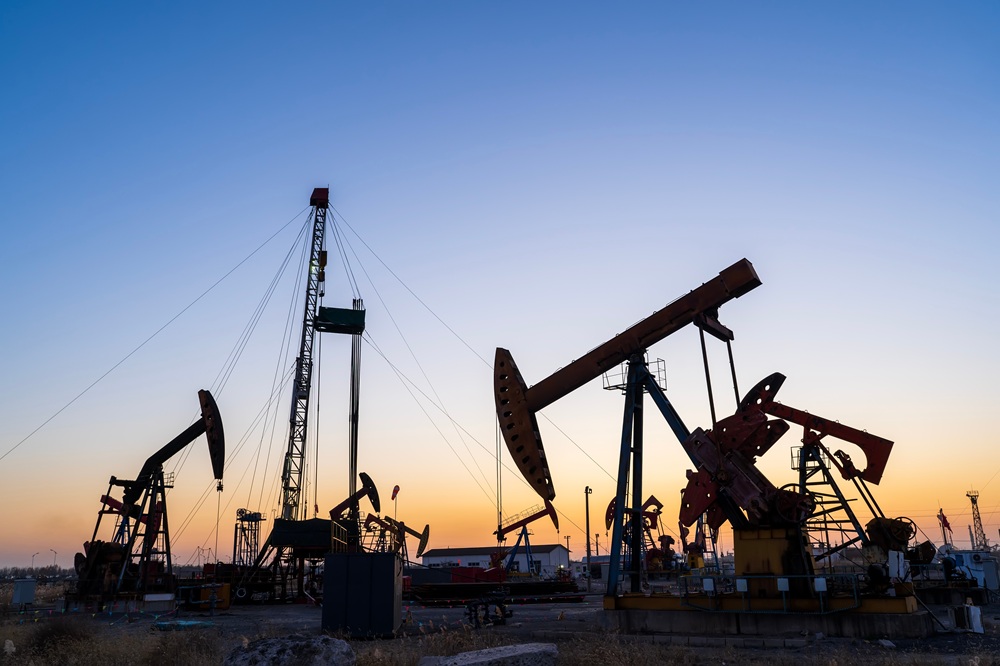
Oil prices stabilized near one-week highs on Tuesday as expectations for a near-term US-Iran peace agreement weakened, reducing prospects for a full reopening of the Strait of Hormuz. The development has returned attention to the global energy supply outlook, with crude markets balancing geopolitical risks against broader concerns over inflation, economic growth and monetary policy.
Oil Prices Hold Gains as Diplomatic Optimism Weakens
Brent crude was trading around $87.81 a barrel, while US West Texas Intermediate stood near $82.20 after both benchmarks climbed roughly 5% in the previous session, reaching their highest levels since July 31. The latest move reflects a shift in market expectations after hopes for a diplomatic breakthrough between Washington and Tehran became less certain.
The possibility of a peace agreement had previously encouraged expectations that the Strait of Hormuz could gradually return to normal shipping conditions. With those expectations fading, traders are placing greater emphasis on the risk that disruptions could persist, keeping a geopolitical premium embedded in crude prices.
The market is particularly sensitive to developments around the waterway because of its importance to international energy transportation. Any prolonged restriction on tanker movements can affect physical supply, freight rates and insurance costs even when sufficient crude remains available elsewhere.
Hormuz Disruptions Keep Global Energy Risks Elevated
The Strait of Hormuz remains one of the most important chokepoints in global energy markets, connecting major Gulf producers with international consumers. Recent shipping data indicate that oil exports through the strait fell to about 3 million barrels per day in early August, down from approximately 4.4 million barrels per day the previous week.
The decline highlights the gap between political expectations and actual physical energy flows. A reopening announcement alone may not immediately restore normal trade, as shipping companies, insurers and energy producers must assess security conditions before returning to regular operations.
Additional disruptions elsewhere in the region are also contributing to uncertainty. Security risks around the Bab el-Mandeb waterway and delays involving Saudi Arabia’s Jazan refinery have reinforced concerns about the resilience of regional energy infrastructure.
Inflation and Global Markets Remain Exposed to Oil Volatility
Higher oil prices can have consequences well beyond energy markets. Rising crude costs can increase transportation and manufacturing expenses, placing pressure on consumer prices and potentially complicating monetary-policy decisions for central banks. If energy prices remain elevated for an extended period, markets could reassess expectations for interest-rate reductions.
For investors in Israel, the developments are particularly relevant because global oil prices can influence inflation expectations, the shekel, corporate operating costs and domestic asset valuations. International equity and bond markets may also respond to changes in energy prices as investors reassess the potential impact on economic growth and corporate margins.
Looking ahead, markets will closely monitor US-Iran diplomatic signals, tanker traffic through the Strait of Hormuz, regional security developments and changes in crude inventories. A credible agreement that restores normal shipping could ease the geopolitical premium in oil, while continued restrictions or renewed escalation could keep prices elevated and volatility high through the remainder of the summer.
Comparison, examination, and analysis between investment houses
Leave your details, and an expert from our team will get back to you as soon as possible
* This article, in whole or in part, does not contain any promise of investment returns, nor does it constitute professional advice to make investments in any particular field.
To read more about the full disclaimer, click here
- Ronny Mor
- •
- 7 Min Read
- •
- ago 5 hours
SKN | Oil Rebounds as Uncertainty Over U.S.-Iran Hormuz Deal Revives Supply Concerns
Oil prices rebounded sharply on Monday as uncertainty surrounding a potential agreement between the United States and Iran revived
- ago 5 hours
- •
- 7 Min Read

Oil prices rebounded sharply on Monday as uncertainty surrounding a potential agreement between the United States and Iran revived

- Lior mor
- •
- 6 Min Read
- •
- ago 1 day
SKN | Oil Prices Rise as Uncertainty Over Strait of Hormuz Reopening Keeps Markets on Edge
Oil prices rose as markets continued to assess uncertainty surrounding the reopening of the Strait of Hormuz, one of the
- ago 1 day
- •
- 6 Min Read

Oil prices rose as markets continued to assess uncertainty surrounding the reopening of the Strait of Hormuz, one of the

- sagi habasov
- •
- 6 Min Read
- •
- ago 3 days
SKN | Gold Bulls Return as Falling Yields Revive Bullish Bets on the Precious Metal
Gold markets are showing renewed signs of bullish positioning after a prolonged period of consolidation, with investors turning aggressively
- ago 3 days
- •
- 6 Min Read
Gold markets are showing renewed signs of bullish positioning after a prolonged period of consolidation, with investors turning aggressively
- Ronny Mor
- •
- 7 Min Read
- •
- ago 3 days
SKN | Gold Climbs to Seven-Week High as Weak U.S. Jobs Report Reshapes Fed Expectations
Gold prices extended their recent rally on Friday, reaching their highest level in seven weeks after disappointing U.S. labor
- ago 3 days
- •
- 7 Min Read
Gold prices extended their recent rally on Friday, reaching their highest level in seven weeks after disappointing U.S. labor


