





- sagi habasov
- •
- 6 Min Read
- •
- 2 hours ago
Key Points
- President Donald Trump is reportedly willing to end the conflict with Iran without a nuclear agreement if Tehran fully reopens the Strait of Hormuz.
- The reopening of the strategic waterway could reduce pressure on global oil supplies, shipping costs and energy-market risk.
- A settlement without a nuclear agreement could end immediate hostilities while leaving major questions over Iran’s nuclear program and regional security unresolved.
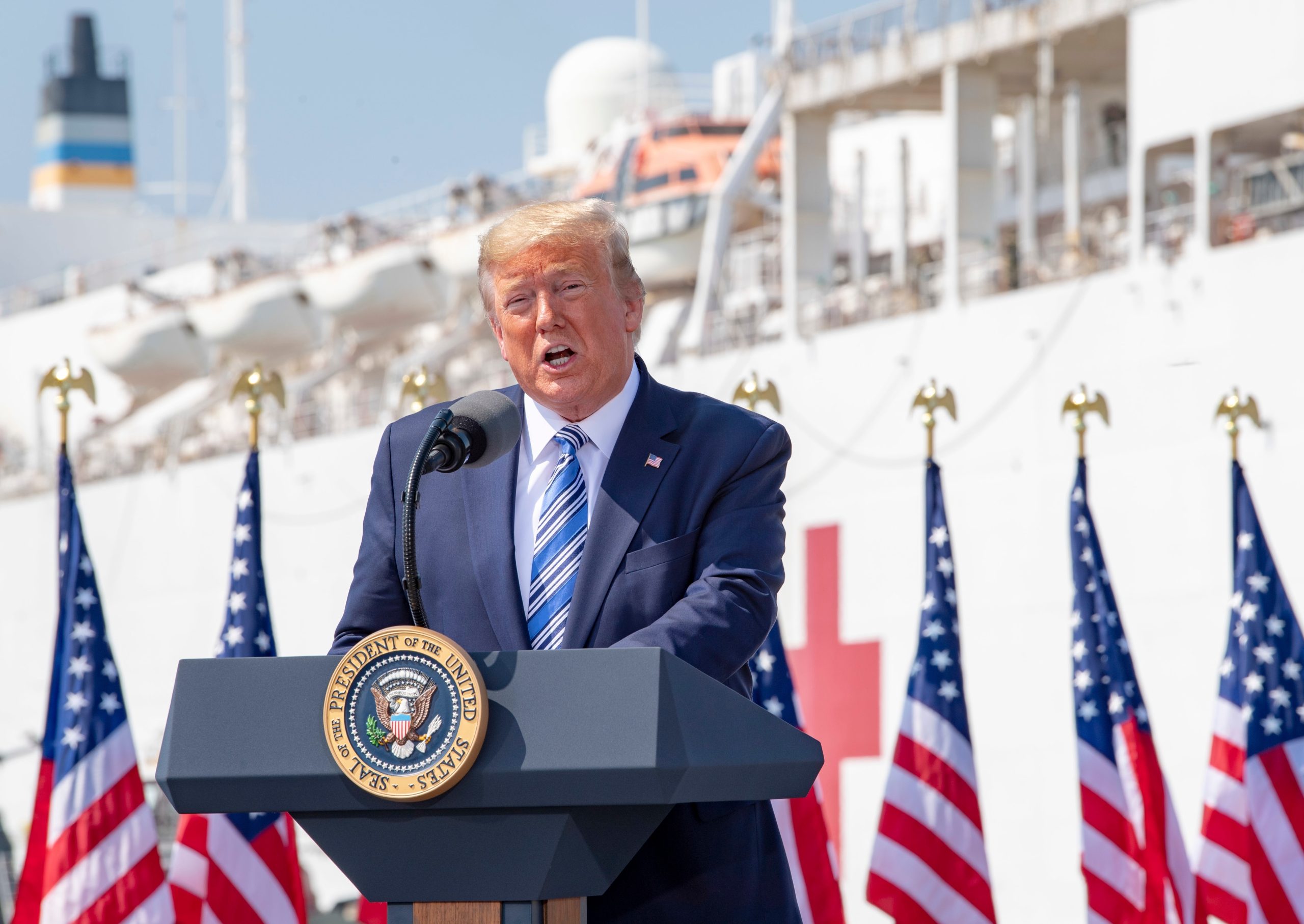
President Donald Trump is reportedly considering an end to the conflict with Iran without securing a new nuclear agreement, provided Iran fully reopens the Strait of Hormuz. The reported position places the strategic waterway at the center of both diplomatic negotiations and global financial markets, as prolonged disruption could affect oil prices, inflation expectations, shipping costs and broader economic growth.
Hormuz Becomes a Key Condition for Ending the Conflict
The Strait of Hormuz is one of the world’s most important energy corridors, connecting major Gulf producers with international markets. Large volumes of crude oil, petroleum products and liquefied natural gas move through the waterway, making any disruption potentially significant for energy security and global trade.
A full reopening would therefore represent an important economic development even if the broader political dispute remains unresolved. Restored shipping activity could reduce concerns about supply disruptions, lower transportation and insurance costs, and remove part of the geopolitical risk premium embedded in energy prices.
For financial markets, the distinction between a temporary reopening and a durable restoration of shipping conditions will be important. Traders are likely to assess whether vessels can move normally through the strait over an extended period rather than relying solely on political assurances.
Nuclear Dispute Could Remain Unresolved
Ending the conflict without a nuclear agreement would represent a different outcome from a comprehensive settlement between Washington and Tehran. While a ceasefire or broader de-escalation could reduce immediate military risks, it would not necessarily resolve disagreements over Iran’s nuclear activities, sanctions or long-term regional security.
That creates a potentially fragile framework. The United States could prioritize restoring energy flows and reducing the immediate risk of escalation, while Iran could seek guarantees involving sanctions relief, economic access and restrictions on future military action.
The absence of a nuclear agreement could also leave markets sensitive to renewed tensions. Any indication that negotiations are breaking down could quickly revive concerns over shipping routes, energy supplies and geopolitical risk.
Oil, Inflation and Israeli Markets Remain in Focus
The economic consequences of the Hormuz situation extend well beyond the energy sector. Higher crude prices can increase transportation and production costs, place pressure on consumer inflation and complicate monetary-policy decisions for central banks. Conversely, a sustained reopening could ease some of these pressures and improve visibility for businesses dependent on global energy supplies.
For investors in Israel, the development is particularly relevant because regional geopolitical risk can influence energy prices, the shekel, inflation expectations and domestic asset valuations. International oil movements can also affect operating costs across transportation, manufacturing and other energy-intensive industries.
Looking ahead, markets will focus on whether Iran can fully restore shipping through the Strait of Hormuz, whether Washington is prepared to accept an end to the conflict without a nuclear agreement, and whether both sides can establish a durable framework for de-escalation. The key economic question will be whether reopening the waterway produces a lasting reduction in energy-market risk or merely provides temporary relief while the broader dispute remains unresolved.
Comparison, examination, and analysis between investment houses
Leave your details, and an expert from our team will get back to you as soon as possible
* This article, in whole or in part, does not contain any promise of investment returns, nor does it constitute professional advice to make investments in any particular field.
To read more about the full disclaimer, click here
- sagi habasov
- •
- 6 Min Read
- •
- ago 2 weeks
SKN | US Strikes Iran After Regional Escalation Raises Global Market Risks
The United States has begun military strikes against Iran following an attempted attack on US forces across the Middle East,
- ago 2 weeks
- •
- 6 Min Read

The United States has begun military strikes against Iran following an attempted attack on US forces across the Middle East,

- omer bar
- •
- 6 Min Read
- •
- ago 3 weeks
SKN | U.S.-Iran Conflict Escalates as Tenth Night of Airstrikes Raises Global Market Concerns
The United States has entered a tenth consecutive night of airstrikes against Iran, extending one of the longest sustained American
- ago 3 weeks
- •
- 6 Min Read
The United States has entered a tenth consecutive night of airstrikes against Iran, extending one of the longest sustained American

- Ronny Mor
- •
- 6 Min Read
- •
- ago 4 weeks
SKN | Could Escalating U.S.-Iran Tensions Shake Global Markets? Trump’s Situation Room Meeting Raises Investor Concerns
President Donald Trump held a high-level Situation Room meeting on Tuesday to discuss a possible large-scale offensive involving Iran, increasing
- ago 4 weeks
- •
- 6 Min Read
President Donald Trump held a high-level Situation Room meeting on Tuesday to discuss a possible large-scale offensive involving Iran, increasing
- Ronny Mor
- •
- 7 Min Read
- •
- ago 1 month
SKN | Why Is Australia Strengthening Its Child Social Media Ban Despite Political Opposition?
Australia's government is intensifying its efforts to enforce the world's first nationwide social media ban for children under the
- ago 1 month
- •
- 7 Min Read
Australia's government is intensifying its efforts to enforce the world's first nationwide social media ban for children under the


