





- Ronny Mor
- •
- 6 Min Read
- •
- 14 hours ago
Key Points
- The SSE Composite Index (000001.SS) secured a 5-day weekly gain of approximately 2.81%, closing at 3,940.04 following a Friday session advance of 1.02% (39.68 points).
- A bullish trading session on the Shanghai Stock Exchange saw the mainland benchmark open at 3,896.49 and navigate an intraday channel between 3,885.62 and 3,940.93 from a previous close of 3,900.35.
- Trading volume reached 664,283,352 shares against an average daily volume of 627,534, as the index trades within its 52-week corridor of 3,629.63 to 4,258.86.
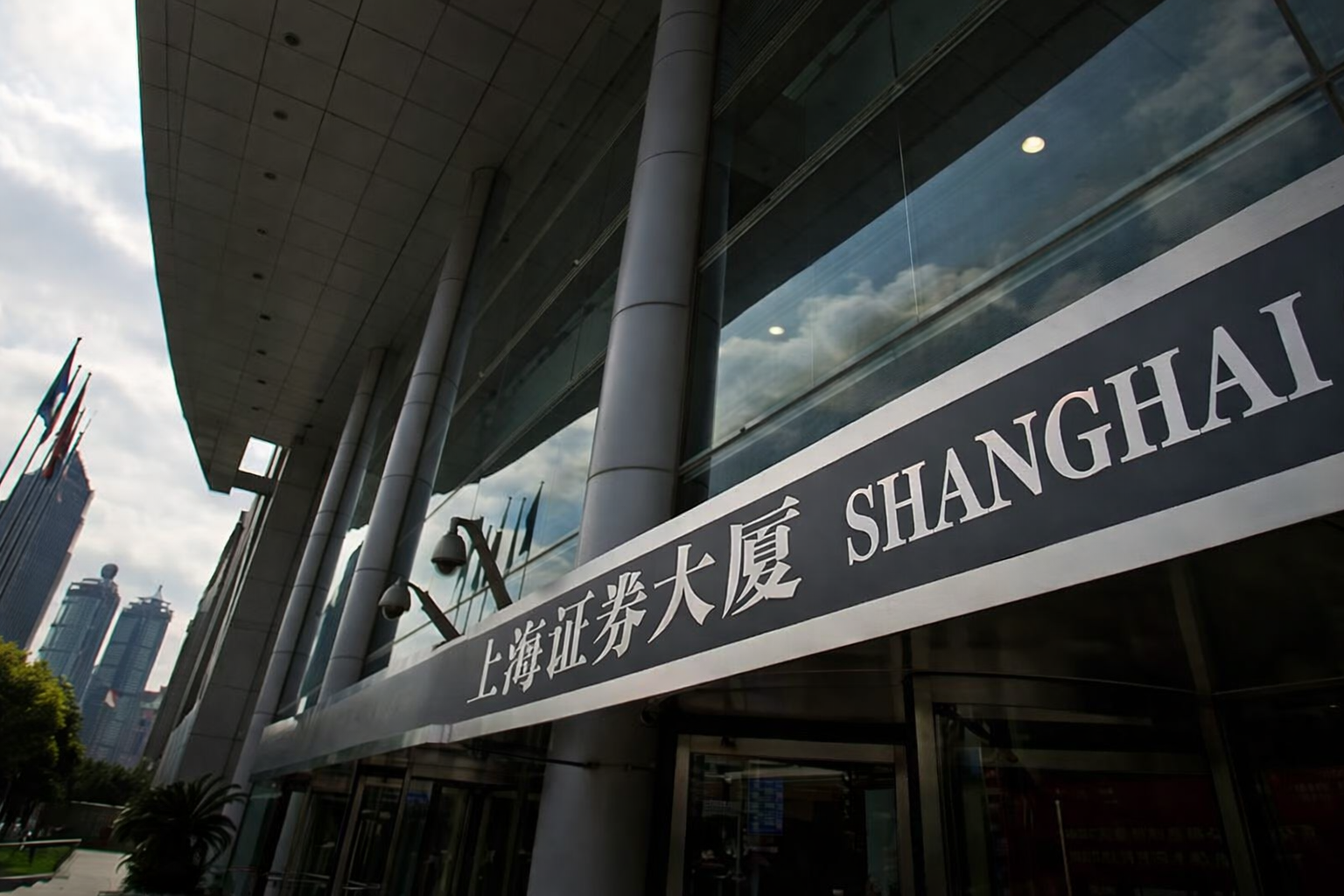
The SSE Composite Index (000001.SS) finished the trading session on August 7, 2026, on a firm note, advancing 1.02% (39.68 points) to close near 3,940.04 and secure a 5-day weekly gain of 2.81%. The positive price action reflects strong institutional demand across artificial intelligence technology, semiconductor manufacturing, and export-driven heavyweights following the release of robust trade balance data. For global investors, including institutional asset managers in Israel tracking Chinese equity market exposure, cross-border trade dynamics, and multi-currency portfolio overlays, the SSE Composite serves as the primary benchmark for mainland Chinese corporate execution and broader Asian economic momentum.
Intraday Channel Navigation and 52-Week Range Metrics
During the August 7 session, the index opened at 3,896.49 and traversed an intraday channel between a floor of 3,885.62 and a session peak of 3,940.93 before settling up 39.68 points (or 1.02%) relative to its previous close of 3,900.35. Late intra-session chart indicators stabilized near 3,940.93. Session trading volume reached 664,283,352 shares compared to an average daily volume of 627,534. The closing quote leaves the Shanghai benchmark positioned comfortably inside its 52-week trading band of 3,629.63 to 4,258.86, marking its highest close in three weeks.
External Sector Resilience and Technology Sector Expansion
A primary structural driver underpinning the weekly advance has been reassuring international trade statistics highlighting China’s resilient external sector. Accelerated export demand for AI-related hardware, semiconductor devices, and high-tech capital goods helped drive broader earnings optimism across listed constituents. Sector heavyweights in optical electronics, pharmaceuticals, and advanced technology manufacturing led market gains, absorbing lingering trade friction concerns. Global asset managers continue integrating Chinese equity growth overlays within broader strategic asset allocation models to capture long-term structural innovation across resilient capital markets.
People’s Bank of China Policy Trajectory, Yuan Dynamics, and Macro Risks
While near-term technical momentum remains constructive, market participants continue closely tracking potential macroeconomic friction points. Key variables include People’s Bank of China (PBoC) monetary policy guidance, domestic credit growth metrics, consumer price inflation moderation, and persistent currency volatility across foreign exchange channels—particularly Chinese Yuan (CNY) exchange rate shifts. Furthermore, international trade policy recalibrations, supply chain realignments, and geopolitical considerations introduce ongoing variables for cross-border corporate earnings translation. Israeli institutional allocators managing multi-currency portfolios remain focused on tracking these macroeconomic variables to evaluate risk-adjusted return profiles accurately.
Outlook: The outlook for the SSE Composite Index remains neutrally balanced, with technical momentum favoring a period of cautious consolidation near core support baselines to foster broader economic stabilization. Sustainable upside expansion toward the upper threshold of its 52-week range near 4,258.86 will likely depend on verified domestic consumer recovery, predictable central bank monetary easing, and steady international trade activity. However, professional asset allocators should remain highly attentive to prominent downside risks, including potential foreign exchange volatility, property sector adjustments, or geopolitical developments that could elevate financial market turbulence. Ultimately, future index performance will depend on the delicate balance between Chinese corporate execution and evolving global macroeconomic conditions.
Comparison, examination, and analysis between investment houses
Leave your details, and an expert from our team will get back to you as soon as possible
* This article, in whole or in part, does not contain any promise of investment returns, nor does it constitute professional advice to make investments in any particular field.
To read more about the full disclaimer, click here
- Lior mor
- •
- 6 Min Read
- •
- ago 58 minutes
SKN | KOSPI Composite Index (^KS11) Retreats 0.60% Daily to 6,258.77 as 0.02% Weekly Performance Anchors Above 6,158 Low
The KOSPI Composite Index (^KS11) closed lower on August 7, 2026, dropping 0.60% (37.61 points) to settle near 6,258.77. The
- ago 58 minutes
- •
- 6 Min Read

The KOSPI Composite Index (^KS11) closed lower on August 7, 2026, dropping 0.60% (37.61 points) to settle near 6,258.77. The

- Arik Arkadi Sluzki
- •
- 6 Min Read
- •
- ago 2 hours
SKN | Japanese Yen Currency Index (^XDN) Rebounds 0.39% Daily to 63.36 as 0.11% Weekly Pullback Holds Above 63.12 Low
The Japanese Yen Currency Index (^XDN) finished the trading session on August 7, 2026, on a firm note, advancing
- ago 2 hours
- •
- 6 Min Read

The Japanese Yen Currency Index (^XDN) finished the trading session on August 7, 2026, on a firm note, advancing

- omer bar
- •
- 8 Min Read
- •
- ago 9 hours
SKN | AMD Expands Its AI Strategy With Taalas Acquisition to Target the Next Phase of Inference Computing
Advanced Micro Devices (AMD) is expanding its artificial intelligence strategy with an agreement to acquire Taalas, a Toronto-based semiconductor
- ago 9 hours
- •
- 8 Min Read

Advanced Micro Devices (AMD) is expanding its artificial intelligence strategy with an agreement to acquire Taalas, a Toronto-based semiconductor

- sagi habasov
- •
- 7 Min Read
- •
- ago 10 hours
SKN | Japan’s Yen Defense Faces a Tough Test as Currency Weakness Persists Despite Massive Intervention
Japan's currency defense is facing renewed scrutiny as the yen continues to trade at historically weak levels despite years
- ago 10 hours
- •
- 7 Min Read

Japan's currency defense is facing renewed scrutiny as the yen continues to trade at historically weak levels despite years


