





- sagi habasov
- •
- 6 Min Read
- •
- 6 hours ago
Key Points
- Ford Motor reported a 10.2% year-over-year decline in U.S. vehicle sales for July but described the month as stronger than the headline figure suggests.
- The automaker cited improving retail demand, disciplined inventory management, and product mix as reasons for maintaining a constructive outlook.
- Investors continue to monitor consumer demand, vehicle pricing, interest rates, and tariff-related costs as key drivers of the U.S. automotive sector.
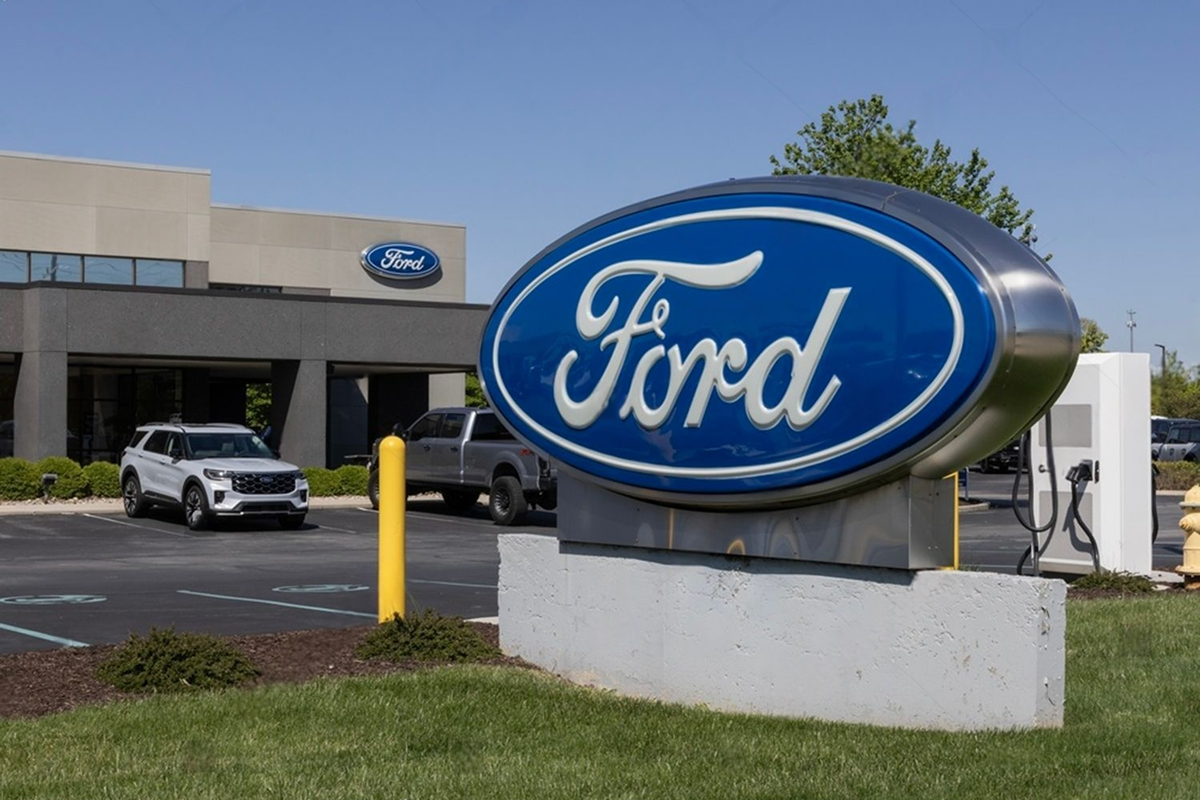
Ford Motor reported a 10.2% decline in U.S. vehicle sales during July, a figure that initially appeared to signal weakening demand across the American automotive market. However, company executives argued that the monthly performance reflected temporary factors—including production timing and inventory normalization—rather than a deterioration in underlying consumer demand.
The update comes as global automakers continue navigating elevated financing costs, evolving trade policies, and changing consumer preferences while balancing production schedules with long-term profitability objectives.
Headline Sales Decline Masks Operational Improvements
Although total July deliveries fell compared with the same month a year earlier, Ford emphasized that the comparison was influenced by production timing, dealer inventory adjustments, and model-year transitions. Management indicated that retail demand remained relatively healthy and that dealer inventories were positioned more efficiently than in previous periods.
Rather than pursuing aggressive volume growth, Ford has increasingly prioritized pricing discipline, higher-margin vehicle sales, and improved inventory management. This strategy reflects a broader industry shift away from maximizing unit sales toward protecting profitability amid higher borrowing costs and a more competitive market environment.
Industry Faces Mixed Economic Signals
The broader U.S. automotive sector continues to operate against a complex macroeconomic backdrop. Elevated vehicle financing costs, persistent inflationary pressures, and uncertainty surrounding trade policy remain important considerations for both manufacturers and consumers. At the same time, relatively resilient employment conditions and steady household spending have continued to support vehicle demand despite affordability challenges.
Investors are also closely monitoring how automakers manage supply chains, manufacturing costs, and pricing strategies as competition intensifies across traditional internal combustion vehicles, hybrids, and electric vehicles. Companies capable of maintaining operational flexibility may be better positioned to navigate periods of uneven demand.
Implications for Global and Israeli Investors
For Israeli investors with exposure to global automotive manufacturers through international equities or exchange-traded funds, Ford’s July update illustrates that headline sales figures do not always provide a complete picture of corporate performance. Profitability, inventory quality, pricing power, and management execution increasingly play a larger role in determining long-term shareholder value than monthly delivery volumes alone.
More broadly, developments in the U.S. automotive industry remain relevant for global manufacturing, commodity demand, semiconductor suppliers, and logistics companies. Israeli institutional investors with diversified international portfolios therefore continue monitoring the sector as an important indicator of consumer confidence and industrial activity.
Outlook: The near-term outlook for Ford remains cautiously balanced. Upcoming monthly sales reports, second-half earnings performance, and management commentary regarding vehicle demand and inventory trends will provide additional clarity on the company’s operating momentum. At the same time, investors will continue evaluating the impact of interest rates, potential tariff changes, commodity costs, and geopolitical developments on consumer purchasing decisions and manufacturing profitability. While disciplined inventory management and an improved product mix could support financial performance, softer economic growth or weaker consumer spending could weigh on future vehicle demand. Maintaining a balanced assessment of both opportunities and downside risks remains appropriate as the global automotive industry continues its transition toward a more competitive and capital-intensive environment.
Comparison, examination, and analysis between investment houses
Leave your details, and an expert from our team will get back to you as soon as possible
* This article, in whole or in part, does not contain any promise of investment returns, nor does it constitute professional advice to make investments in any particular field.
To read more about the full disclaimer, click here
- Ronny Mor
- •
- 6 Min Read
- •
- ago 7 hours
SKN | McDonald’s Sales Growth Slows as Consumers Reassess Spending Amid Rising Value Pressures
McDonald’s Corporation is facing a more challenging consumer environment as sales growth slows and cost-conscious customers increasingly evaluate discretionary
- ago 7 hours
- •
- 6 Min Read

McDonald’s Corporation is facing a more challenging consumer environment as sales growth slows and cost-conscious customers increasingly evaluate discretionary

- omer bar
- •
- 6 Min Read
- •
- ago 8 hours
SKN | AMD Earnings Test AI Chip Momentum as Investors Reassess Semiconductor Growth Outlook
Advanced Micro Devices (AMD) is set to release its second-quarter earnings report as investors continue to evaluate the strength
- ago 8 hours
- •
- 6 Min Read

Advanced Micro Devices (AMD) is set to release its second-quarter earnings report as investors continue to evaluate the strength

- Arik Arkadi Sluzki
- •
- 6 Min Read
- •
- ago 10 hours
SKN | Caterpillar Shares Surge as Record Revenue Highlights Industrial Strength and Global Demand Resilience
Caterpillar Inc. (CAT) delivered a significant boost to investor sentiment after reporting record quarterly revenue, sending its shares sharply
- ago 10 hours
- •
- 6 Min Read

Caterpillar Inc. (CAT) delivered a significant boost to investor sentiment after reporting record quarterly revenue, sending its shares sharply

- orshu
- •
- 6 Min Read
- •
- ago 10 hours
SKN | Merck Raises Revenue Outlook as New Medicines Drive Growth, but Deal Costs Pressure Profit Guidance
Merck & Co. raised its revenue forecast as stronger sales from newer medicines supported business momentum, while simultaneously lowering
- ago 10 hours
- •
- 6 Min Read

Merck & Co. raised its revenue forecast as stronger sales from newer medicines supported business momentum, while simultaneously lowering


