





- omer bar
- •
- 7 Min Read
- •
- 3 hours ago
Key Points
- Oil prices increased after Iran reported stopping vessels attempting to leave the Strait of Hormuz, renewing concerns over global energy supply risks.
- The reports have not been independently confirmed, but markets reacted to renewed uncertainty surrounding one of the world's most important oil transit routes.
- Rising geopolitical risks are affecting shipping activity, marine insurance costs, and energy market sentiment across global markets.
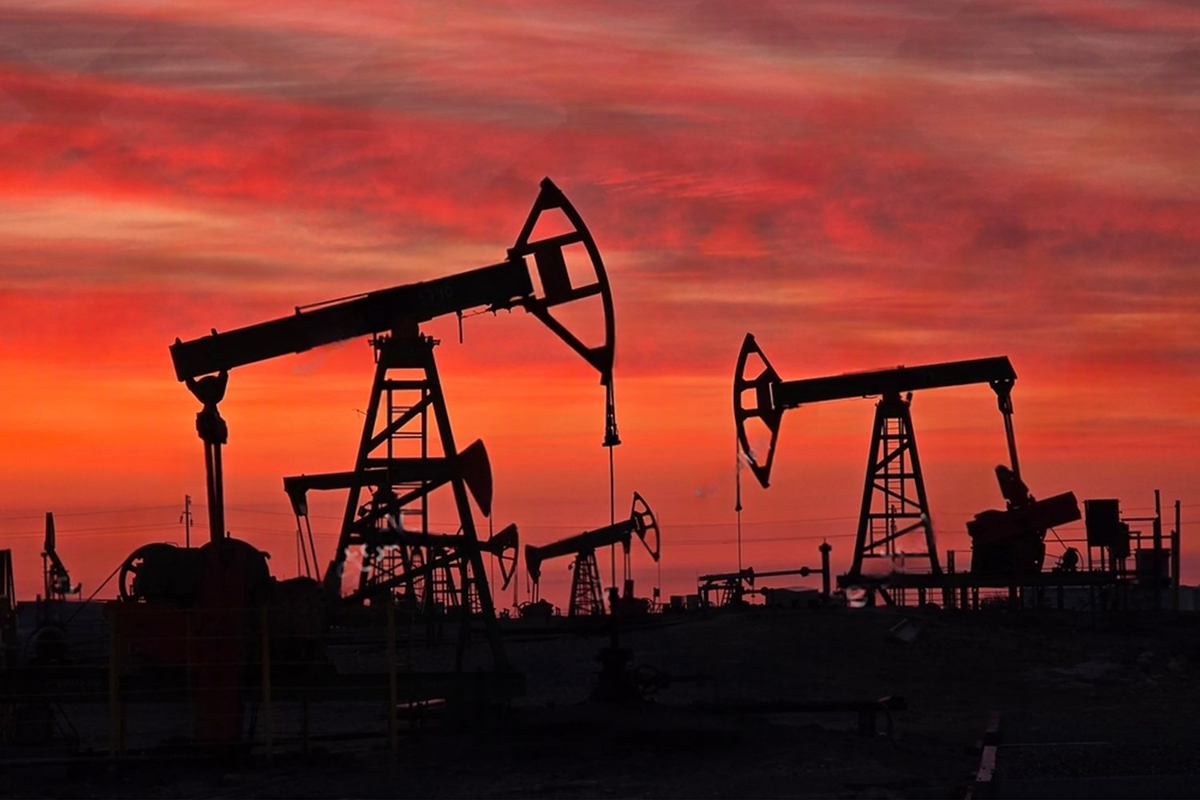
Global oil markets moved higher on July 31 after Iran said its forces had stopped two vessels attempting to exit the Strait of Hormuz, increasing concerns over potential disruptions to one of the world’s most critical energy shipping routes. The reports, which have not been independently verified, came after a drone attack on ships at an Egyptian Mediterranean port earlier in the week, adding further uncertainty to regional security conditions.
The market reaction highlights the sensitivity of energy prices to geopolitical developments in the Middle East. Although physical supply disruptions have not been confirmed, traders and investors continue to monitor shipping activity, insurance costs, and diplomatic developments for signs of broader impacts on global oil flows.
Hormuz Tensions Put Global Energy Supply Risks Back in Focus
The Strait of Hormuz remains one of the most strategically important maritime routes for the global energy market, with a significant portion of worldwide oil and gas shipments passing through the narrow waterway. Any potential disruption in the region can quickly influence crude prices as markets price in the possibility of reduced supply availability.
Iran’s Revolutionary Guards reported that two ships were stopped and that four additional tankers turned back after intervention by Iranian forces. However, the claims have not been independently confirmed, leaving investors focused on whether the situation develops into a broader disruption or remains a temporary geopolitical event.
The uncertainty has increased attention on energy security, particularly among countries and companies dependent on stable Middle East oil exports. Even without confirmed supply losses, heightened risk perceptions can influence pricing through increased volatility and precautionary market positioning.
Shipping Risks and Insurance Costs Increase Across Key Routes
The latest developments have also affected shipping markets, with concerns extending beyond oil prices. London’s marine insurance market expanded its “high risk” zone in the Red Sea region, reflecting growing caution among insurers and shipping companies operating near areas affected by regional tensions.
Higher insurance costs can increase transportation expenses for energy and commodity shipments, potentially adding pressure throughout global supply chains. Energy companies, traders, and logistics operators are closely monitoring whether security risks lead to changes in shipping routes or delays in deliveries.
For global markets, the situation demonstrates the continued influence of geopolitical factors on commodity pricing. Energy markets remain particularly sensitive because disruptions in major transit corridors can affect inflation expectations, currency movements, and central bank policy considerations.
Markets Assess Broader Economic Impact of Energy Uncertainty
The rise in oil prices comes as investors continue evaluating the balance between economic growth expectations and geopolitical risks. Higher energy costs could create renewed inflationary pressure if elevated prices persist, potentially affecting consumer spending and corporate margins in energy-intensive industries.
For Israel and global investors, developments in the Middle East energy landscape remain an important factor in assessing market risk. Regional instability can influence not only commodities but also equity markets, currencies, and investor sentiment across international portfolios.
Looking ahead, markets will continue monitoring developments around the Strait of Hormuz, verification of shipping incidents, diplomatic responses, and any signs of actual supply disruptions. The key focus will be whether recent tensions translate into sustained changes in energy flows or remain contained geopolitical events. Investors will also watch oil price volatility, inflation expectations, and broader market reactions as energy security remains a central factor in global economic outlooks.
Comparison, examination, and analysis between investment houses
Leave your details, and an expert from our team will get back to you as soon as possible
* This article, in whole or in part, does not contain any promise of investment returns, nor does it constitute professional advice to make investments in any particular field.
To read more about the full disclaimer, click here
- Ronny Mor
- •
- 6 Min Read
- •
- ago 3 hours
SKN | Chevron Delivers Record Quarter as Production Growth and Cost Discipline Lift Earnings
Chevron Corporation delivered a stronger-than-expected second-quarter performance, highlighting the continued importance of operational efficiency, production growth, and strategic energy
- ago 3 hours
- •
- 6 Min Read

Chevron Corporation delivered a stronger-than-expected second-quarter performance, highlighting the continued importance of operational efficiency, production growth, and strategic energy

- Lior mor
- •
- 6 Min Read
- •
- ago 3 days
SKN | Oil Prices Sink to a Two-Week Low as Easing U.S.-Iran Tensions Shift Market Focus
Oil prices fell sharply to a two-week low after several days passed without reported military strikes between the United States
- ago 3 days
- •
- 6 Min Read
Oil prices fell sharply to a two-week low after several days passed without reported military strikes between the United States

- orshu
- •
- 6 Min Read
- •
- ago 3 days
SKN | Bloom Energy Raises 2026 Outlook as AI Power Demand Drives Record Growth
Bloom Energy Corporation delivered a stronger-than-expected second-quarter performance while significantly increasing its full-year 2026 financial outlook, highlighting the rapidly
- ago 3 days
- •
- 6 Min Read

Bloom Energy Corporation delivered a stronger-than-expected second-quarter performance while significantly increasing its full-year 2026 financial outlook, highlighting the rapidly

- Arik Arkadi Sluzki
- •
- 6 Min Read
- •
- ago 3 days
SKN | U.S. Crude Oil Falls Below $80 as Middle East Diplomacy Eases Supply Concerns
U.S. crude oil retreated below the psychologically important $80-per-barrel level during the week as reports that Iran had engaged
- ago 3 days
- •
- 6 Min Read
U.S. crude oil retreated below the psychologically important $80-per-barrel level during the week as reports that Iran had engaged


