





- orshu
- •
- 6 Min Read
- •
- 2 hours ago
Key Points
- Japan led major Asian markets with a 0.71% gain, while India and Hong Kong also closed higher.
- South Korea remained under pressure, falling 1.23%, while Australia and mainland China also ended the session lower.
- The mixed performance reflected cautious investor sentiment as gains in selected markets were offset by continued weakness in technology-driven economies.
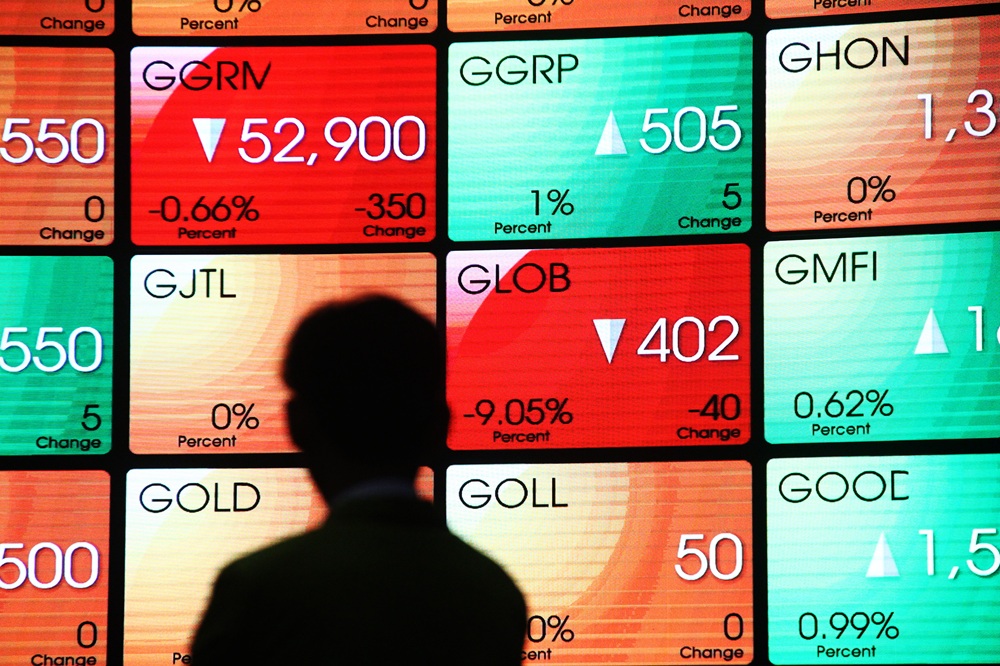
Asian markets closed mixed on July 30, 2026, as investors continued to balance selective buying with ongoing caution toward regional growth sectors. Japan posted the strongest gain among the major benchmarks, while India and Hong Kong also finished higher. However, weakness in South Korea, Australia, and mainland China limited broader market momentum.
The session highlighted continued divergence across Asia, with investors favoring defensive positioning while remaining selective in technology and export-oriented markets.
Japan Leads Regional Gains
Japan’s Nikkei 225 rose 0.71% to 61,867.43, delivering the strongest performance among the region’s major equity benchmarks.
The advance reflects renewed investor interest in export-oriented manufacturers and technology companies following several weeks of heightened volatility. Although the Nikkei remains below its record highs reached earlier in the year, the latest gain suggests confidence in Japanese equities remains intact.
Japan continues to provide stability within an otherwise mixed regional market environment.
India and Hong Kong Record Modest Advances
India’s S&P BSE Sensex climbed 0.35% to 77,928.15, extending its reputation as one of Asia’s more resilient equity markets.
Hong Kong’s Hang Seng Index also edged higher, gaining 0.20% to 25,858.88. The modest advance keeps the benchmark above the 25,000 level, indicating investor confidence in Hong Kong-listed companies has improved despite ongoing weakness in mainland China.
The gains in both markets helped offset losses elsewhere across the region.
South Korea Remains Under Pressure
South Korea’s KOSPI Composite Index fell 1.23% to 5,593.56, extending its recent period of weakness.
The decline reflects continued selling in semiconductor and technology shares, sectors that have experienced elevated volatility throughout recent months. Despite occasional rebounds, investor sentiment toward Korean equities remains fragile as markets continue to adjust following earlier sharp corrections.
South Korea remained the weakest-performing major equity market during the session.
China and Australia Edge Lower
China’s SSE Composite Index declined 0.62% to 3,804.69, remaining below the key 4,000 level and highlighting continued caution toward mainland Chinese equities.
Australia’s S&P/ASX 200 slipped 0.78% to 8,967.70, reflecting weakness in mining and resource-related sectors despite relatively stable domestic market conditions.
The declines reinforced the uneven nature of regional investor sentiment.
Currency Markets Show Limited Movement
Currency trading remained relatively subdued.
The Japanese Yen Index gained 0.27% to 61.20, indicating modest demand for the Japanese currency.
Meanwhile, the Australian Dollar Index declined 0.29% to 69.54, reflecting mild weakness alongside Australia’s equity market.
Overall, currency movements remained considerably smaller than those seen across regional stock markets.
Outlook
Looking ahead, investors will watch whether Japan can build on its latest gains and continue recovering toward higher trading levels. India’s steady performance and Hong Kong’s ability to remain above 25,000 may also provide support for broader regional sentiment.
Attention will remain focused on South Korea’s efforts to stabilize after another decline, while China’s ability to recover toward the 4,000 mark will remain an important indicator of investor confidence in mainland equities.
For now, Asia’s markets remain mixed, with resilience in Japan, India, and Hong Kong contrasting with continued weakness in South Korea, Australia, and mainland China as investors maintain a cautious approach heading into the final trading sessions of July.
Comparison, examination, and analysis between investment houses
Leave your details, and an expert from our team will get back to you as soon as possible
* This article, in whole or in part, does not contain any promise of investment returns, nor does it constitute professional advice to make investments in any particular field.
To read more about the full disclaimer, click here
- orshu
- •
- 6 Min Read
- •
- ago 3 hours
SKN | European Markets Rally as Broad-Based Gains Lift Regional Equities and Currencies
European markets posted a strong advance on July 30, 2026, as investors embraced regional equities across the board. Every major
- ago 3 hours
- •
- 6 Min Read

European markets posted a strong advance on July 30, 2026, as investors embraced regional equities across the board. Every major
- orshu
- •
- 7 Min Read
- •
- ago 14 hours
SKN | Wall Street Slides After Fed Holds Rates Steady as AI Selloff Deepens
U.S. equities ended Wednesday's session with broad-based losses after the Federal Reserve left its benchmark interest rate unchanged while
- ago 14 hours
- •
- 7 Min Read

U.S. equities ended Wednesday's session with broad-based losses after the Federal Reserve left its benchmark interest rate unchanged while
- orshu
- •
- 8 Min Read
- •
- ago 15 hours
SKN | Wall Street Slides on Broad Sell-Off as Dow Drops More Than 2% on July 29
Wall Street suffered a broad-based sell-off on Wednesday, July 29, 2026, with all major U.S. equity indices closing sharply lower.
- ago 15 hours
- •
- 8 Min Read

Wall Street suffered a broad-based sell-off on Wednesday, July 29, 2026, with all major U.S. equity indices closing sharply lower.
- orshu
- •
- 7 Min Read
- •
- ago 19 hours
SKN | European Markets Close Mixed as UK Equities Outperform While Continental Indexes Retreat
European equity markets ended the July 29 trading session with mixed results as investors balanced corporate earnings, economic data,
- ago 19 hours
- •
- 7 Min Read
European equity markets ended the July 29 trading session with mixed results as investors balanced corporate earnings, economic data,


