




- sagi habasov
- •
- 7 Min Read
- •
- 3 months ago


Key Points
- Global oil markets remain surprisingly restrained despite escalating geopolitical tensions and significant supply disruptions in the Middle East.
- JPMorgan estimates that roughly 11.1 million barrels per day of oil supply have been disrupted, while global inventories have fallen to historically low levels.
- Slowing energy demand is offsetting supply concerns, leaving strategists questioning why crude prices have not risen more sharply.

Global oil markets are presenting an unusual picture as geopolitical risks intensify while crude prices remain relatively contained. Under normal market conditions, supply disruptions of this magnitude would be expected to drive oil substantially higher. Instead, softer-than-expected global energy demand has tempered the market’s reaction, creating one of the more puzzling developments in commodity markets this year.
The disconnect between tightening supply and restrained prices has become a focal point for investors, policymakers, and energy analysts attempting to assess the outlook for inflation, economic growth, and global financial markets.
Supply Disruptions Continue to Intensify Across Key Energy Routes
The conflict involving the United States and Iran has significantly disrupted global energy markets. According to the source material, traffic through the Strait of Hormuz, one of the world’s most critical oil transportation corridors, has declined sharply, while attacks affecting shipping in the Red Sea have added further pressure to global supply chains.
JPMorgan strategists estimate that approximately 11.1 million barrels per day of global oil supply have been affected since the conflict escalated in late February. That volume represents roughly 10% of global oil demand, contributing to historically low inventory levels across international markets.
Ordinarily, supply losses of this scale would trigger a sustained rally in crude oil prices. However, the market has responded more cautiously, reflecting the growing influence of demand-side dynamics.
Weak Demand Offsets the Bullish Supply Story
The primary factor limiting higher oil prices appears to be slowing global energy demand. Economic uncertainty, moderating industrial activity, and changing consumption patterns have reduced expectations for future fuel demand, offsetting much of the upward pressure created by supply disruptions.
Analysts increasingly argue that demand has become the dominant variable influencing oil prices. Even with inventories tightening and geopolitical risks remaining elevated, investors remain cautious about pricing in a prolonged supply shock while concerns about global economic growth persist.
This balance between weakening demand and constrained supply has created an unusually stable pricing environment compared with previous geopolitical crises. Market participants continue to evaluate whether current demand conditions are temporary or represent a broader structural slowdown.
Broader Economic Implications Extend Beyond Energy Markets
Oil prices remain one of the most important indicators for inflation, transportation costs, and industrial production. A sustained increase in crude prices could place renewed upward pressure on consumer prices and influence central bank decisions regarding interest rates.
At the same time, restrained oil prices despite significant geopolitical disruptions may reduce immediate inflation risks, providing policymakers with greater flexibility as they assess economic conditions. Investors across equities, bonds, and currencies are closely monitoring energy markets because changes in oil prices often influence broader asset allocation decisions.
For investors in Israel, developments in global energy markets remain particularly significant given the country’s strategic location and its growing role in regional natural gas production. Continued instability in Middle Eastern shipping routes could affect energy exports, transportation costs, and broader regional economic activity.
Looking ahead, investors will closely monitor developments surrounding the conflict in the Middle East, shipping activity through the Strait of Hormuz and the Red Sea, and global oil demand trends. Additional attention will focus on inventory data, production decisions by major oil producers, and economic indicators from key consuming nations. Whether demand begins to recover or supply disruptions intensify further will likely determine the next major direction for global oil prices and their broader impact on financial markets.
Comparison, examination, and analysis between investment houses
Leave your details, and an expert from our team will get back to you as soon as possible
* This article, in whole or in part, does not contain any promise of investment returns, nor does it constitute professional advice to make investments in any particular field.
To read more about the full disclaimer, click here
- Ronny Mor
- •
- 7 Min Read
- •
- ago 13 hours
SKN | Trump Says Russia Will Supply Diesel to U.S. and Global Markets as Fuel Prices Rise
President Donald Trump said Friday that Russia had agreed to immediately supply diesel to the United States and global
- ago 13 hours
- •
- 7 Min Read
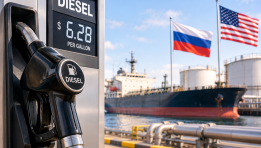
President Donald Trump said Friday that Russia had agreed to immediately supply diesel to the United States and global
- Ronny Mor
- •
- 6 Min Read
- •
- ago 1 day
SKN | Gold Prices Rise as Dollar Weakens and Treasury Yields Fall
Gold prices advanced on Friday as a softer U.S. dollar and easing Treasury yields supported demand for the precious metal.
- ago 1 day
- •
- 6 Min Read

Gold prices advanced on Friday as a softer U.S. dollar and easing Treasury yields supported demand for the precious metal.

- sagi habasov
- •
- 7 Min Read
- •
- ago 1 day
SKN | Oil Prices Fall as Trump Rules Out Iran Strikes Before U.S. Midterms
Oil prices retreated from their session highs on October 8 after U.S. President Donald Trump said Washington would not launch
- ago 1 day
- •
- 7 Min Read
Oil prices retreated from their session highs on October 8 after U.S. President Donald Trump said Washington would not launch

- orshu
- •
- 7 Min Read
- •
- ago 2 days
SKN | Oil Prices Jump 5% Before Easing as Trump Rules Out Iran Attack This Month
Oil prices surged more than 5% on Thursday before paring gains after President Donald Trump said the United States
- ago 2 days
- •
- 7 Min Read
Oil prices surged more than 5% on Thursday before paring gains after President Donald Trump said the United States
