





- omer bar
- •
- 6 Min Read
- •
- 6 hours ago
Key Points
- U.S. crude oil prices climbed above $88 per barrel as escalating tensions surrounding the Iran conflict increased geopolitical risk in energy markets.
- Investors are assessing potential disruptions to Middle East production, shipping routes, and global oil supply chains.
- Rising energy prices could influence inflation expectations, central bank decisions, and global economic growth forecasts.
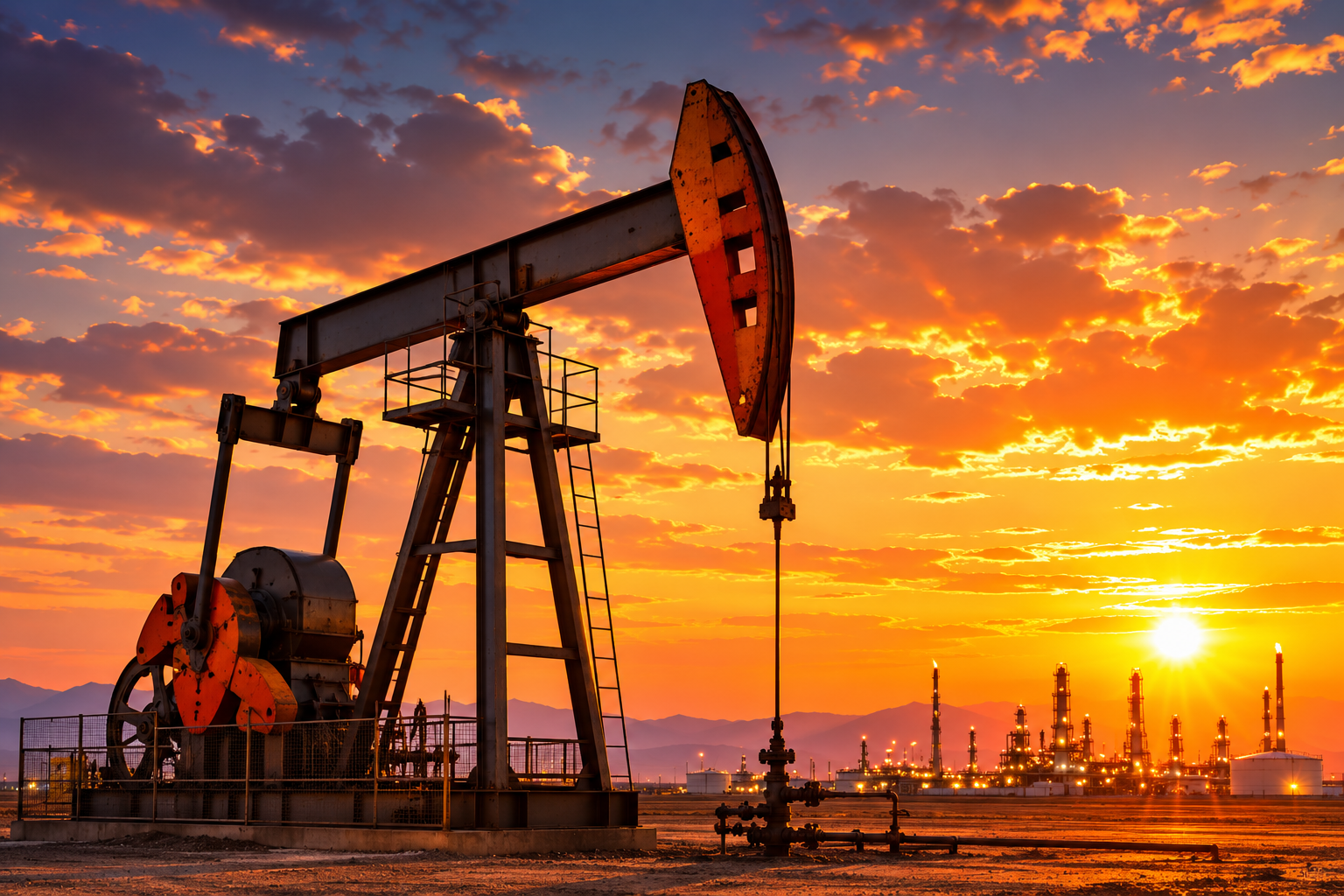
U.S. oil prices surged above $88 per barrel as the escalating conflict involving Iran intensified concerns over potential disruptions in one of the world’s most strategically important energy regions. The move highlights the renewed geopolitical risk premium entering commodity markets as investors evaluate the possible impact on oil supply, transportation routes, and broader inflation trends.
Geopolitical Risk Drives Higher Oil Market Volatility
The rise in crude oil prices reflects growing uncertainty surrounding the stability of Middle East energy flows. The region remains a critical hub for global oil production and transportation, with major producers and key shipping routes playing an important role in maintaining international energy supplies.
Although physical oil markets have not experienced a major supply disruption directly linked to the latest escalation, traders have increased exposure to potential risks. Any developments affecting production facilities, export infrastructure, or maritime routes could create additional upward pressure on prices.
Oil markets typically respond not only to current supply conditions but also to expectations of future disruptions. As a result, prices often incorporate a risk premium when geopolitical tensions increase, even before actual shortages occur.
Energy Prices Create Broader Inflation and Economic Implications
Higher oil prices have significant implications beyond the energy sector. Rising crude costs can increase transportation expenses, production costs, and consumer prices, potentially affecting inflation expectations across major economies.
Central banks closely monitor energy prices because persistent increases can complicate monetary policy decisions. If higher oil prices contribute to renewed inflationary pressure, policymakers may face greater challenges in balancing economic growth with price stability.
For businesses, elevated energy costs may influence profit margins, particularly in industries with high fuel consumption, including transportation, manufacturing, and logistics. Consumers may also experience higher costs for fuel and energy-related goods if price increases continue.
Impact on Global Markets and Israeli Investors
The movement in oil prices reflects broader trends affecting global financial markets, where investors continue evaluating the impact of geopolitical developments on commodities, currencies, and equity markets. Energy companies, inflation-sensitive assets, and economies dependent on energy imports are particularly exposed to changes in crude prices.
For investors in Israel, developments in the global oil market are closely watched due to the country’s regional position and exposure to Middle East geopolitical conditions. Changes in energy prices can influence inflation expectations, consumer costs, and market sentiment across local and international markets.
At the same time, higher oil prices may affect expectations for monetary policy in Israel and globally, particularly if energy costs contribute to broader inflation pressures.
Looking ahead, investors will monitor developments surrounding Iran, responses from regional and international actors, oil production levels, shipping activity, and demand trends in major economies. The key factor for markets will be whether the current escalation remains contained or develops into a wider disruption that could create sustained pressure on global energy prices.
Comparison, examination, and analysis between investment houses
Leave your details, and an expert from our team will get back to you as soon as possible
* This article, in whole or in part, does not contain any promise of investment returns, nor does it constitute professional advice to make investments in any particular field.
To read more about the full disclaimer, click here
- omer bar
- •
- 6 Min Read
- •
- ago 1 day
SKN | Oil Prices Edge Higher After New U.S. Strikes on Iran Increase Geopolitical Risk
Oil prices rose modestly after the United States announced another round of strikes on Iran, highlighting renewed geopolitical risks in
- ago 1 day
- •
- 6 Min Read
Oil prices rose modestly after the United States announced another round of strikes on Iran, highlighting renewed geopolitical risks in

- orshu
- •
- 7 Min Read
- •
- ago 3 days
SKN | Why Oil Prices Have Remained Stable Despite Five Months of U.S.-Iran Conflict
Despite five months of military conflict involving the United States and Iran, global oil prices have avoided the dramatic
- ago 3 days
- •
- 7 Min Read
Despite five months of military conflict involving the United States and Iran, global oil prices have avoided the dramatic

- sagi habasov
- •
- 6 Min Read
- •
- ago 3 days
SKN | Gold Retreats as Oil Prices Rise and Markets Reassess Federal Reserve Rate Outlook
Gold prices declined while crude oil advanced as financial markets reassessed the outlook for Federal Reserve policy and weighed renewed
- ago 3 days
- •
- 6 Min Read

Gold prices declined while crude oil advanced as financial markets reassessed the outlook for Federal Reserve policy and weighed renewed

- Lior mor
- •
- 6 Min Read
- •
- ago 6 days
SKN | Why Are Oil Prices Surging as Middle East Tensions Escalate?
Crude oil extended its rally on Friday, climbing above $81 per barrel and reaching its highest level in a month
- ago 6 days
- •
- 6 Min Read
Crude oil extended its rally on Friday, climbing above $81 per barrel and reaching its highest level in a month


