





- orshu
- •
- 6 Min Read
- •
- 2 hours ago
Key Points
- Intel shares erased their post-earnings gains and moved into negative territory after investors reacted to the company's higher capital expenditure outlook.
- Management said 2027 capital expenditures are expected to be significantly above 2026 levels, with most investments directed toward its U.S. manufacturing network.
- While increased investment reflects confidence in future demand, markets are weighing the impact of higher spending on near-term profitability and free cash flow.
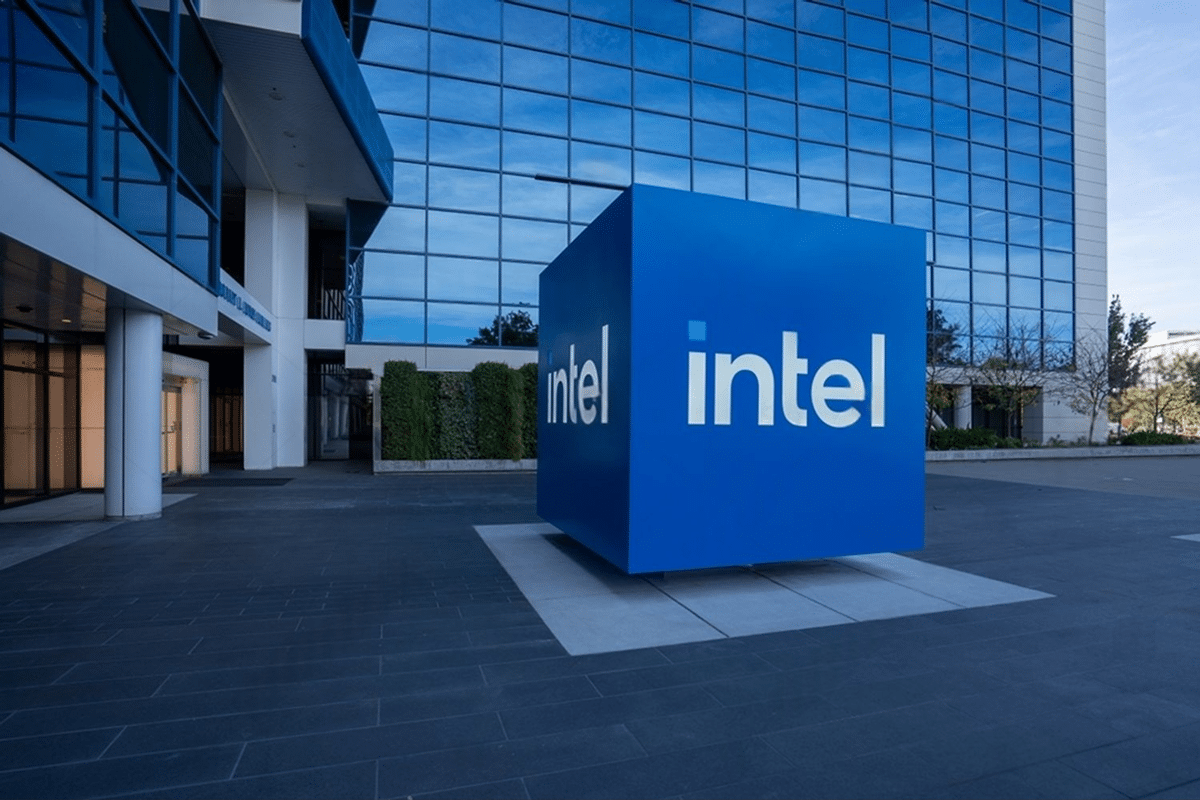
Intel Corporation (NASDAQ: INTC) reversed its post-earnings rally after investors shifted their attention from stronger operating results to the company’s expanding capital investment plans. Although the earnings report initially supported the stock, sentiment weakened after management indicated that 2027 capital expenditures are expected to significantly exceed 2026 levels.
The market reaction highlights a recurring theme in the semiconductor industry: investors continue to balance enthusiasm for artificial intelligence-driven growth with concerns about the substantial investments required to support long-term manufacturing expansion.
Higher Capital Spending Overshadows Earnings Strength
During its earnings presentation, Intel stated that strong customer demand had prompted the company to raise its capital expenditure outlook for 2026 to more than $20 billion. Management also indicated that 2027 capital spending will be significantly higher than 2026, with the majority of investment directed toward expanding its U.S. manufacturing footprint.
The company noted that additional spending is being driven by accelerated clean-room construction, increased purchases of manufacturing equipment, and efforts to secure long-term supplies of substrates and memory. These investments are intended to position Intel for future semiconductor demand, particularly in artificial intelligence and advanced computing.
Markets Question Near-Term Financial Impact
While increased capital investment can strengthen long-term competitive positioning, it also raises questions about cash flow, operating margins, and capital efficiency. Large-scale manufacturing projects typically require significant upfront expenditures before generating meaningful financial returns.
The reversal in Intel’s share price suggests that investors are evaluating whether the expected increase in spending could temporarily pressure profitability, even as demand for AI infrastructure and advanced semiconductors continues to expand. Such reactions are common when companies announce aggressive investment programs that may affect near-term earnings quality.
U.S. Manufacturing Strategy Remains Central to Intel’s Growth
Intel’s commitment to expanding domestic semiconductor production aligns with broader efforts to strengthen the U.S. semiconductor supply chain. The company continues investing heavily in fabrication facilities and advanced manufacturing capacity as governments and technology companies seek greater resilience in global chip production.
Management emphasized that future capital expenditures will remain closely aligned with customer demand. If demand for AI processors, foundry services, and advanced computing continues growing, Intel’s expanded manufacturing capacity could become an important strategic advantage over the coming years.
Looking ahead, investors will closely monitor Intel’s execution of its manufacturing expansion, future capital expenditure guidance, and the pace of demand across AI, cloud computing, and enterprise markets. The company’s ability to translate higher investment into sustainable revenue growth and stronger profitability will likely determine whether current spending plans strengthen long-term shareholder value despite near-term market concerns.
Comparison, examination, and analysis between investment houses
Leave your details, and an expert from our team will get back to you as soon as possible
* This article, in whole or in part, does not contain any promise of investment returns, nor does it constitute professional advice to make investments in any particular field.
To read more about the full disclaimer, click here
- omer bar
- •
- 8 Min Read
- •
- ago 2 hours
SKN | Oracle Slides to 52-Week Low as Wall Street Maintains Bullish Outlook on AI Growth
Oracle shares fell to a new 52-week low, highlighting growing investor concerns over the company's aggressive artificial intelligence infrastructure investments
- ago 2 hours
- •
- 8 Min Read
Oracle shares fell to a new 52-week low, highlighting growing investor concerns over the company's aggressive artificial intelligence infrastructure investments

- sagi habasov
- •
- 5 Min Read
- •
- ago 2 hours
SKN | Alphabet’s Earnings Strength Pushes Google’s Valuation to Its Lowest Level Since 2015
Alphabet Inc. (NASDAQ: GOOG, GOOGL) delivered stronger-than-expected financial results that significantly increased its trailing earnings, leading to a notable
- ago 2 hours
- •
- 5 Min Read

Alphabet Inc. (NASDAQ: GOOG, GOOGL) delivered stronger-than-expected financial results that significantly increased its trailing earnings, leading to a notable

- Arik Arkadi Sluzki
- •
- 6 Min Read
- •
- ago 2 hours
SKN | NextEra Energy Delivers EPS Beat Despite Revenue Miss, Maintains Long-Term Growth Outlook Through 2032
NextEra Energy (NYSE: NEE) reported mixed second-quarter 2026 financial results, delivering an earnings-per-share beat while falling short of revenue
- ago 2 hours
- •
- 6 Min Read

NextEra Energy (NYSE: NEE) reported mixed second-quarter 2026 financial results, delivering an earnings-per-share beat while falling short of revenue

- Lior mor
- •
- 5 Min Read
- •
- ago 3 hours
SKN | Salesforce Wins $1.6 Billion VA Contract to Accelerate Digital Transformation for U.S. Veterans
Salesforce Inc. (NYSE: CRM) has secured a $1.6 billion contract spanning three years with the U.S. Department of Veterans
- ago 3 hours
- •
- 5 Min Read
Salesforce Inc. (NYSE: CRM) has secured a $1.6 billion contract spanning three years with the U.S. Department of Veterans


