





- orshu
- •
- 6 Min Read
- •
- 2 hours ago
Key Points
- European markets closed with a mixed performance, as the FTSE 100 led gains while major continental indexes faced pressure.
- Currency movements influenced investor sentiment, with the euro and British pound indexes declining during the session.
- Investors continue monitoring economic data, corporate earnings, and monetary policy expectations for signals on the region’s growth outlook.
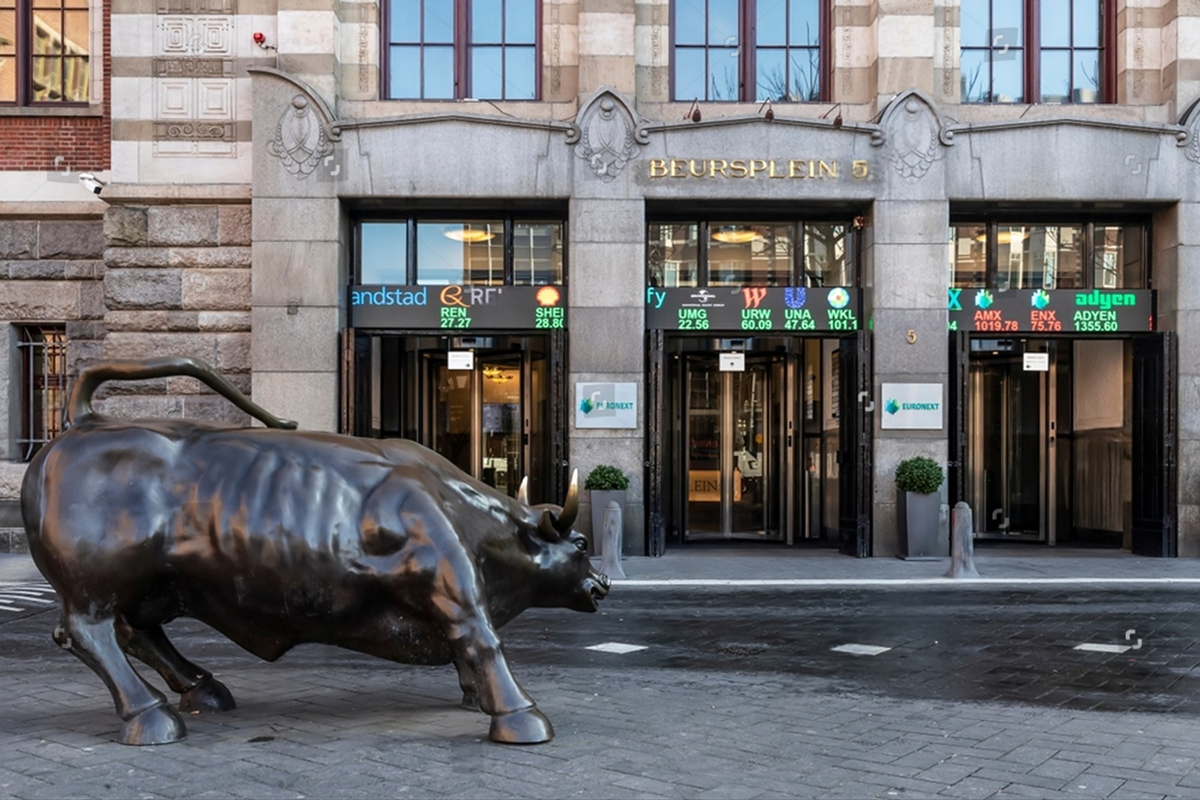
European equity markets closed the July 16 session with a mixed performance as investors evaluated economic conditions, corporate developments, and currency movements across the region. While the FTSE 100 gained 0.54% to 10,572.24 points, several major continental indexes struggled to maintain momentum amid cautious sentiment.
The session reflected a broader balancing act in global markets, where investors continue to assess the outlook for interest rates, inflation trends, and corporate earnings. European equities remain sensitive to both domestic economic developments and global market dynamics, particularly from the United States and Asia.
UK Market Strength Contrasts With Continental Pressure
The United Kingdom’s equity market stood out as the strongest performer among major European benchmarks, with the FTSE 100 advancing 0.54%. The index’s performance highlighted continued resilience among large-cap UK companies, particularly those with international revenue exposure that can benefit from diversified geographic operations.
In contrast, Germany’s DAX declined 0.34% to 24,915.49 points, while France’s CAC 40 edged lower by 0.05% to 8,377.86 points. The divergence between markets reflects differences in sector composition, economic expectations, and investor positioning across Europe’s largest economies.
Germany’s manufacturing-heavy economy remains closely watched as investors evaluate industrial activity, export demand, and the impact of global trade conditions. France’s market performance also continues to be influenced by domestic economic expectations and broader European policy developments.
European Indexes Show Cautious Investor Positioning
The broader EURO STOXX 50 increased 0.29% to 6,283.61 points, while the Euronext 100 Index gained 0.28%. The MSCI Europe Index rose 0.10%, indicating relatively stable but cautious positioning among investors across the region.
The modest gains suggest that investors remain selective rather than broadly risk-seeking. Market participants continue to focus on company earnings, economic indicators, and central bank policy signals to determine whether European equities can sustain further gains.
The European Central Bank’s monetary policy outlook remains a key factor for markets. Expectations surrounding interest rates, inflation progress, and economic growth will likely continue influencing valuations across European stocks, bonds, and currencies.
Currency Weakness Adds Another Market Variable
Currency markets showed notable movement during the session, with the Euro Index declining 0.24% and the British Pound Index falling 0.52%. Currency fluctuations remain an important factor for European investors, particularly for multinational companies with significant international operations.
A weaker currency environment can create both opportunities and challenges. Export-oriented companies may benefit from improved international competitiveness, while import costs and inflation considerations remain areas of focus for policymakers and businesses.
Looking ahead, European markets will continue to track upcoming economic reports, corporate earnings announcements, and central bank guidance. Investors will be watching whether current market resilience can continue amid changing interest rate expectations, currency volatility, and evolving global growth conditions.
Comparison, examination, and analysis between investment houses
Leave your details, and an expert from our team will get back to you as soon as possible
* This article, in whole or in part, does not contain any promise of investment returns, nor does it constitute professional advice to make investments in any particular field.
To read more about the full disclaimer, click here
- Lior mor
- •
- 6 Min Read
- •
- ago 25 minutes
SKN | Why Did the S&P 500 Fall Despite Strong Earnings and Healthy Economic Data?
U.S. equities traded lower on Thursday as renewed weakness in semiconductor stocks overshadowed another strong batch of corporate earnings and
- ago 25 minutes
- •
- 6 Min Read

U.S. equities traded lower on Thursday as renewed weakness in semiconductor stocks overshadowed another strong batch of corporate earnings and

- orshu
- •
- 8 Min Read
- •
- ago 3 hours
SKN | Tel Aviv Stocks Retreat as TA-125 Extends Pullback While Bond Market Remains Relatively Stable
Israeli equities closed lower on Thursday, July 16, as investors adopted a more cautious stance following recent market fluctuations. Selling
- ago 3 hours
- •
- 8 Min Read

Israeli equities closed lower on Thursday, July 16, as investors adopted a more cautious stance following recent market fluctuations. Selling
- orshu
- •
- 6 Min Read
- •
- ago 6 hours
SKN | U.S. Markets Show Mixed Performance as Investors Balance Technology Pressure and Economic Resilience
U.S. equity markets traded with mixed momentum on July 16 as investors balanced strength in economically sensitive sectors against
- ago 6 hours
- •
- 6 Min Read

U.S. equity markets traded with mixed momentum on July 16 as investors balanced strength in economically sensitive sectors against
- orshu
- •
- 7 Min Read
- •
- ago 9 hours
SKN | Asia Markets Split on July 16, 2026 as Hong Kong Tops 25,000 While South Korea Slides More Than 6%
Asian markets closed mixed on July 16, 2026, as gains in Hong Kong and modest strength in India contrasted with
- ago 9 hours
- •
- 7 Min Read

Asian markets closed mixed on July 16, 2026, as gains in Hong Kong and modest strength in India contrasted with


