





- Lior mor
- •
- 6 Min Read
- •
- 9 hours ago
Key Points
- Silver Sep 26 (SI=F) declined approximately 0.79% over the trading week, closing at 60.165
- The precious metal experienced sharp mid-week volatility, tumbling below the 59.000 level before staging a recovery that was capped by a 0.96% daily decline on Friday.
- Investors continue to balance safe-haven allocations against shifting industrial demand and evolving global interest rate expectations.

Global precious and industrial metal markets ended the trading week with a net decline, as Silver futures (Sep 26) fell approximately 0.79% to settle at 60.165. The weekly loss masks significant underlying volatility, as investors navigated shifting expectations surrounding global inflation, industrial manufacturing demand, and central bank policy. The price action highlights a complex macro environment where institutional allocators are actively balancing the dual nature of silver as both a monetary hedge and a critical industrial component.
Volatility and Mid-Week Price Reversals
The silver market experienced highly dynamic price action throughout the week. After opening the period near the 61.000 level, the benchmark staged a pronounced slide toward the 58.000 threshold during mid-week trading before initiating a sharp technical recovery. This volatile trajectory was largely underpinned by targeted institutional buying within the commodities sector, as market participants viewed the discounted valuations as strategic asset entries, providing substantial structural support for the metal before Friday’s 0.96% pullback tempered the advance.
Monetary Policy and Yield Differentials Shape Sentiment
The week’s volatile momentum also reflected evolving expectations regarding global financial conditions and real interest rates. Lower expectations for prolonged, aggressive monetary tightening by major central banks generally support silver pricing by reducing the opportunity cost of holding non-yielding assets. However, ongoing fluctuations in global bond markets and evolving inflation metrics continue to heavily influence portfolio positioning. Because silver is highly sensitive to the U.S. dollar, fluctuations in regional central bank policies can quickly alter capital flows, introducing distinct currency volatility into precious metal pricing.
Geopolitical Drivers and Industrial Demand
Beyond localized monetary policy, silver remains deeply tied to both external macroeconomic shocks and global manufacturing health, particularly in the electronics and solar sectors. Ongoing international trade frictions and regional conflicts continue to inject a persistent geopolitical premium into the broader commodities market, occasionally driving defensive capital toward safe havens. While these external dependencies provide a baseline of support, they also introduce meaningful downside risks if industrial output unexpectedly contracts or if strained regional fiscal outlooks force sudden liquidity-driven selloffs across asset classes, testing the strength of resilient corporate fundamentals.
Outlook: Looking ahead, silver’s medium-term direction will likely depend on a combination of global industrial data, central bank forward guidance, and geopolitical stability. Continued resilience in the green energy manufacturing sector could provide additional support for the contract to test recent highs, while renewed spikes in global bond yields or a sharply stronger U.S. dollar may limit upside potential. For global institutional investors, silver remains a critical macroeconomic hedge and cyclical indicator, but maintaining a highly balanced approach toward both opportunities and systemic risks remains essential as macroeconomic conditions continue to evolve.
Comparison, examination, and analysis between investment houses
Leave your details, and an expert from our team will get back to you as soon as possible
* This article, in whole or in part, does not contain any promise of investment returns, nor does it constitute professional advice to make investments in any particular field.
To read more about the full disclaimer, click here
- Lior mor
- •
- 7 Min Read
- •
- ago 5 hours
SKN | TA 35 Declines 1.66% for the Week as Macro Risks Outweigh Marginal Late-Session Gains
Israeli equities ended the trading week with a net decline, as the TA 35 Index fell 1.66% to settle at
- ago 5 hours
- •
- 7 Min Read

Israeli equities ended the trading week with a net decline, as the TA 35 Index fell 1.66% to settle at

- Arik Arkadi Sluzki
- •
- 7 Min Read
- •
- ago 6 hours
SKN | TA 125 Declines 2.26% for the Week as Macro Risks and Geopolitical Pressures Weigh on Israeli Equities
Israeli equities ended the trading week with a net decline, as the TA 125 Index fell 2.26% to settle
- ago 6 hours
- •
- 7 Min Read

Israeli equities ended the trading week with a net decline, as the TA 125 Index fell 2.26% to settle

- sagi habasov
- •
- 6 Min Read
- •
- ago 7 hours
SKN | TA-RealEstate Index Drops 4.04% for the Week as Elevated Rates and Macro Risks Pressure Israeli Developers
Israeli real estate equities ended the trading week with a pronounced net decline, as the TA-RealEstate Index fell 4.04%
- ago 7 hours
- •
- 6 Min Read
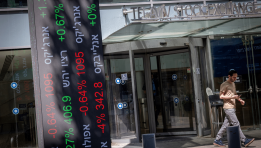
Israeli real estate equities ended the trading week with a pronounced net decline, as the TA-RealEstate Index fell 4.04%

- orshu
- •
- 8 Min Read
- •
- ago 7 hours
SKN | TA Banks 5 Index Advances 2.73% for the Week as Domestic Financials Demonstrate Resilience
Israeli financial markets ended the trading week with a pronounced net advance, as the TA Banks 5 Index climbed approximately
- ago 7 hours
- •
- 8 Min Read

Israeli financial markets ended the trading week with a pronounced net advance, as the TA Banks 5 Index climbed approximately


