





- sagi habasov
- •
- 7 Min Read
- •
- 2 hours ago
Key Points
- Global defense stocks outperformed this week as governments expanded commitments to military modernization, advanced weapons systems, and AI-enabled defense technologies.
- Growing geopolitical tensions and higher defense budgets continue to strengthen long-term demand for aerospace, cybersecurity, drones, and battlefield artificial intelligence.
- While the sector's outlook remains constructive, investors continue monitoring fiscal constraints, political developments, and execution risks that could influence future spending.

Global defense stocks extended their gains this week as investors responded to another wave of announcements supporting increased military expenditure across North America, Europe, and parts of Asia. The rally reflects expectations that governments will continue prioritizing defense modernization amid persistent geopolitical uncertainty, while artificial intelligence is rapidly becoming a central component of future military capabilities.
The sector has emerged as one of the stronger-performing industries in global equity markets during 2025, supported by rising procurement budgets and increasing demand for next-generation defense technologies. For institutional investors, defense remains both a cyclical and structural theme, driven by long-term government contracts rather than short-term consumer demand.
Military Budgets Continue Expanding Worldwide
Several governments have reiterated plans to increase defense spending, with NATO members continuing efforts to meet or exceed the alliance’s defense expenditure targets. Much of the new funding is being directed toward missile defense systems, precision-guided weapons, cyber defense capabilities, intelligence infrastructure, and advanced surveillance platforms.
Unlike previous defense investment cycles, today’s procurement priorities increasingly focus on software-intensive systems and integrated battlefield networks. Traditional aerospace manufacturers continue benefiting from large procurement programs, while technology companies providing sensors, autonomous platforms, and secure communications have also attracted growing investor attention.
For Israeli defense companies, the evolving environment remains particularly relevant. Israel’s globally recognized expertise in missile defense, cybersecurity, unmanned systems, and electronic warfare positions domestic defense contractors to benefit from rising international demand, although export approvals and geopolitical considerations remain important variables.
Artificial Intelligence Becomes a Strategic Defense Priority
One of the defining themes behind this week’s sector strength has been the increasing integration of artificial intelligence into military operations. Governments are allocating greater resources toward AI-powered decision support, autonomous drones, predictive intelligence analysis, electronic warfare, and real-time battlefield data processing.
The growing convergence between commercial AI development and defense applications is creating new opportunities for established contractors as well as specialized software firms. However, regulatory oversight, cybersecurity requirements, and ethical considerations surrounding autonomous weapons continue to shape deployment timelines and procurement decisions.
Valuations Reflect Optimism—but Risks Remain
The recent rally suggests investors expect defense spending to remain elevated for several years. Nevertheless, higher valuations also imply that markets have already priced in a significant portion of expected earnings growth. Future performance may increasingly depend on companies’ ability to execute complex contracts, maintain production schedules, and navigate supply-chain constraints.
Fiscal pressures also remain a consideration. While defense has become a higher political priority across many developed economies, governments continue facing competing demands from healthcare, infrastructure, and social spending. Any deterioration in public finances could eventually influence the pace of future procurement programs.
Outlook: The medium-term outlook for the global defense sector remains constructively positive, supported by structural increases in military investment and the rapid adoption of AI-driven defense technologies. However, investors should continue monitoring geopolitical developments, government budget negotiations, inflation in defense manufacturing costs, and evolving export regulations, all of which could influence sector performance. While current trends suggest sustained demand for advanced defense capabilities, future returns are likely to depend on disciplined contract execution, technological innovation, and the durability of government spending commitments rather than short-term market momentum alone.
Comparison, examination, and analysis between investment houses
Leave your details, and an expert from our team will get back to you as soon as possible
* This article, in whole or in part, does not contain any promise of investment returns, nor does it constitute professional advice to make investments in any particular field.
To read more about the full disclaimer, click here
- Lior mor
- •
- 8 Min Read
- •
- ago 28 minutes
SKN | Rivian Shares Slide as 75 Million Share Offering Raises Dilution Concerns
Rivian Automotive came under selling pressure after announcing a proposed 75 million share public offering, a move designed to
- ago 28 minutes
- •
- 8 Min Read
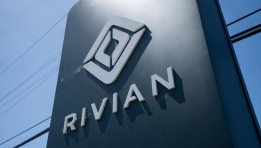
Rivian Automotive came under selling pressure after announcing a proposed 75 million share public offering, a move designed to
- Lior mor
- •
- 6 Min Read
- •
- ago 37 minutes
SKN | Dow Turns Lower as Chip Stocks Slide and Oil Prices Rise, Testing Market Resilience
The U.S. equity market experienced renewed volatility this week as the Dow Jones Industrial Average turned lower amid a
- ago 37 minutes
- •
- 6 Min Read

The U.S. equity market experienced renewed volatility this week as the Dow Jones Industrial Average turned lower amid a

- Ronny Mor
- •
- 5 Min Read
- •
- ago 3 hours
SKN | AI Chip Concerns Weigh on Wall Street as S&P 500 and Nasdaq Retreat
U.S. equities traded lower as renewed weakness across the semiconductor sector weighed on broader market sentiment. The S&P 500
- ago 3 hours
- •
- 5 Min Read

U.S. equities traded lower as renewed weakness across the semiconductor sector weighed on broader market sentiment. The S&P 500

- orshu
- •
- 8 Min Read
- •
- ago 11 hours
SKN | Tel Aviv Equities Retreat Broadly as TA-125 Falls Over 1% Despite Relative Strength in Value Stocks
Tel Aviv financial markets are trading lower in a broad-based correction, with selling pressure affecting most major equity indices. The
- ago 11 hours
- •
- 8 Min Read

Tel Aviv financial markets are trading lower in a broad-based correction, with selling pressure affecting most major equity indices. The


