





- Ronny Mor
- •
- 8 Min Read
- •
- 21 hours ago
Key Points
- Valley National Bank delivered a mixed first-quarter performance, reflecting both improving profitability and continued pressure from the higher interest-rate environment.
- Regional banks reported varied earnings results, underscoring widening differences in loan growth, deposit costs, and credit quality across the sector.
- Investors are increasingly focused on net interest margins, commercial real estate exposure, and credit trends as key indicators for the remainder of 2026.
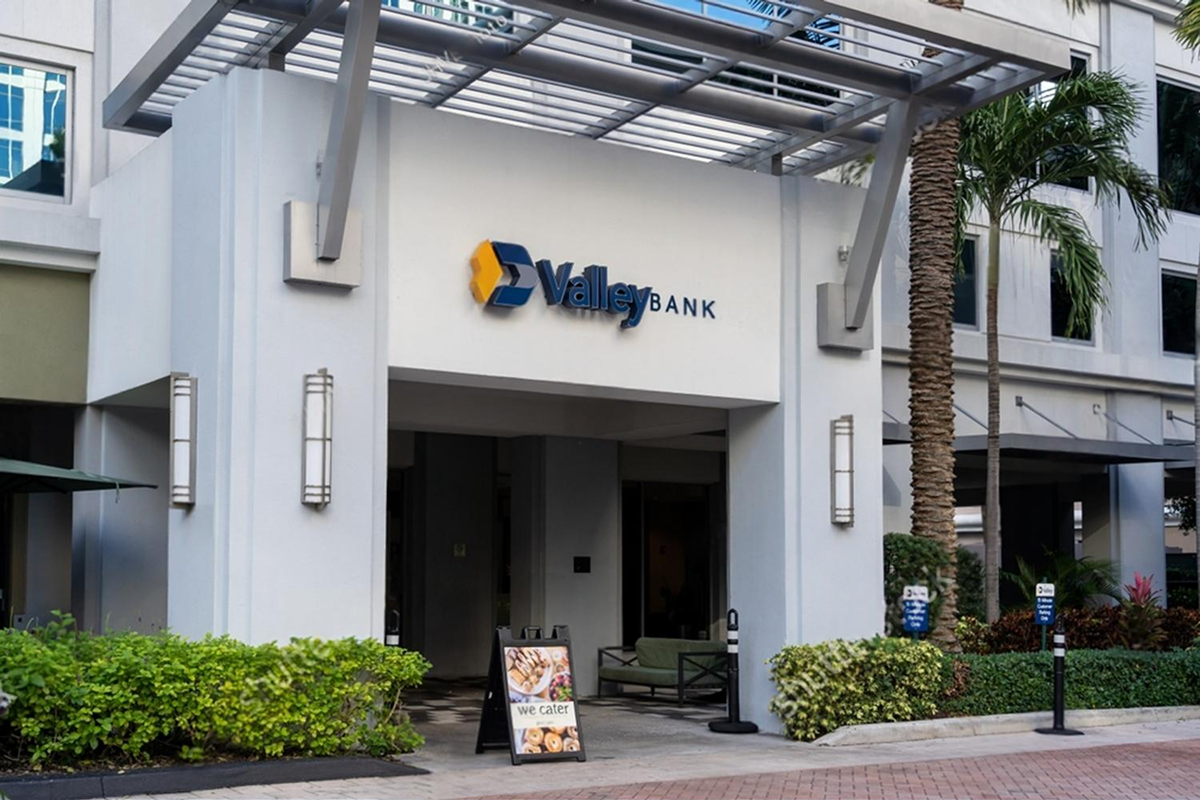
The first-quarter earnings season has reinforced a growing theme within the U.S. regional banking sector: performance is becoming increasingly differentiated as banks navigate elevated interest rates, changing funding costs, and evolving credit conditions. While the sector has recovered from the banking turmoil experienced in previous years, earnings continue to reveal meaningful differences in balance-sheet quality, loan demand, and profitability.
Among the institutions drawing investor attention is Valley National Bank (NASDAQ: VLY), whose quarterly results reflected both operational resilience and the ongoing challenges facing regional lenders. As investors assess the sector’s outlook, earnings reports are offering valuable insight into which institutions are adapting most effectively to the current banking environment.
Valley National Bank Shows Stable Progress Amid Industry Challenges
Valley National Bank reported first-quarter results that generally aligned with market expectations, demonstrating steady revenue generation despite continued pressure on funding costs. Like many regional banks, the company benefited from relatively resilient lending activity while facing higher interest expenses as competition for deposits remained intense.
The bank continued focusing on improving operational efficiency and managing its balance sheet as higher interest rates reshaped the economics of traditional banking. Management also emphasized maintaining disciplined underwriting standards while preserving liquidity and capital strength, priorities that have become increasingly important since the regional banking disruptions experienced in recent years.
Although Valley National’s earnings reflected improving stability, investors remain focused on how quickly funding costs can moderate and whether net interest margins can recover as monetary policy gradually evolves.
Regional Banks Deliver Mixed First-Quarter Results
The broader regional banking industry produced a wide range of earnings outcomes. Several institutions exceeded analyst expectations through stronger-than-anticipated net interest income and disciplined expense management, while others continued experiencing pressure from rising deposit costs and slower loan growth.
A recurring theme across the sector was the importance of net interest margin, the difference between interest earned on loans and securities and interest paid on deposits. Banks that successfully retained lower-cost deposits generally reported stronger profitability, whereas lenders relying more heavily on wholesale funding faced greater earnings pressure.
Commercial real estate exposure also remained an important area of investor focus. Although credit quality has generally remained stable across much of the industry, office properties and certain commercial real estate segments continue attracting close scrutiny as refinancing costs remain elevated. Banks with diversified loan portfolios and conservative reserve practices have generally been viewed more favorably by the market.
Interest Rates Continue to Shape the Sector’s Outlook
The operating environment for regional banks remains closely linked to the direction of Federal Reserve policy. Elevated interest rates have supported loan yields but simultaneously increased competition for deposits, limiting margin expansion for many lenders.
As expectations grow that monetary policy could gradually become less restrictive, investors are evaluating whether funding costs will begin easing faster than loan yields decline. Such an environment could provide modest relief for net interest margins, although the timing remains uncertain and will depend largely on inflation trends and broader economic conditions.
Another important consideration is loan demand. Businesses and consumers have become more selective in borrowing as financing costs remain above historical averages. Future earnings growth will therefore depend not only on interest-rate movements but also on economic activity, business investment, and consumer confidence.
For international investors, including those in Israel, regional U.S. banks continue serving as useful indicators of domestic economic health. Unlike large multinational financial institutions, regional lenders derive much of their revenue from local commercial activity, making their earnings reports valuable gauges of credit demand, small business conditions, and consumer financial stability.
Looking ahead, investors will closely monitor second-quarter earnings for evidence that funding costs are stabilizing, loan growth is improving, and credit quality remains resilient. Particular attention will be paid to net interest margins, commercial real estate exposure, loan-loss provisions, and deposit trends as the banking industry adjusts to a higher-rate environment. While first-quarter results demonstrated that many regional banks are successfully navigating current challenges, future performance will largely depend on the trajectory of monetary policy, economic growth, and borrowers’ financial health throughout the remainder of 2026.
Comparison, examination, and analysis between investment houses
Leave your details, and an expert from our team will get back to you as soon as possible
* This article, in whole or in part, does not contain any promise of investment returns, nor does it constitute professional advice to make investments in any particular field.
To read more about the full disclaimer, click here
- Lior mor
- •
- 6 Min Read
- •
- ago 34 minutes
SKN | Why Rivian Is Raising $1.5 Billion Despite Stronger Revenue Growth
Rivian Automotive shares came under significant pressure after the electric vehicle manufacturer announced plans to raise approximately $1.51 billion through
- ago 34 minutes
- •
- 6 Min Read

Rivian Automotive shares came under significant pressure after the electric vehicle manufacturer announced plans to raise approximately $1.51 billion through

- sagi habasov
- •
- 8 Min Read
- •
- ago 48 minutes
SKN | U.S. Healthcare Spending Reaches $5.7 Trillion as Eli Lilly and Intuitive Surgical Ride Long-Term Growth Trends
Healthcare spending in the United States continues to expand at a pace that outstrips much of the broader economy,
- ago 48 minutes
- •
- 8 Min Read

Healthcare spending in the United States continues to expand at a pace that outstrips much of the broader economy,
- sagi habasov
- •
- 6 Min Read
- •
- ago 9 hours
SKN | Trent Shares Slide 11% as Slower Revenue Growth Raises Questions Over India’s Retail Momentum
Indian fashion retailer Trent Ltd. experienced one of its steepest weekly declines in recent months after reporting quarterly revenue
- ago 9 hours
- •
- 6 Min Read

Indian fashion retailer Trent Ltd. experienced one of its steepest weekly declines in recent months after reporting quarterly revenue

- Ronny Mor
- •
- 7 Min Read
- •
- ago 17 hours
SKN | Samsung Electronics Profit Soars 19-Fold as AI Memory Demand Drives Major Earnings Recovery
Samsung Electronics delivered a major earnings rebound in its preliminary second-quarter results, with operating profit rising sharply as demand for
- ago 17 hours
- •
- 7 Min Read

Samsung Electronics delivered a major earnings rebound in its preliminary second-quarter results, with operating profit rising sharply as demand for


