





- orshu
- •
- 7 Min Read
- •
- 2 hours ago
Key Points
- Most major European equity indices closed lower on July 1, reflecting cautious investor sentiment across the region.
- The Euronext 100, MSCI Europe, CAC 40, and EURO STOXX 50 led the declines, while Germany's DAX and the British Pound Index posted modest gains.
- Investors continue monitoring corporate earnings, economic data, and central bank expectations as markets enter the second half of the year.
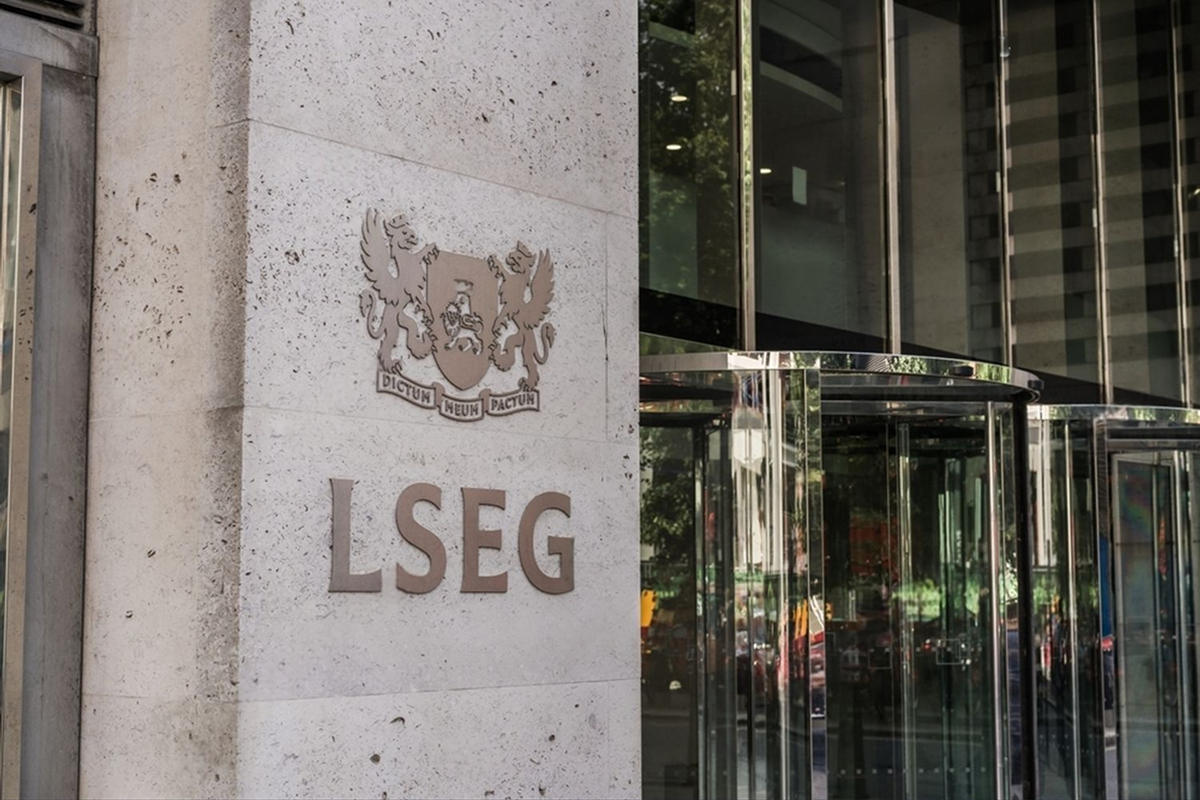
European equity markets closed mostly lower on July 1, as investors adopted a more cautious stance following recent market gains and ahead of key economic data releases. While Germany’s DAX managed to finish slightly higher, weakness across several major regional indices highlighted a broad-based reduction in risk appetite.
The session reflected a market balancing resilient corporate fundamentals against uncertainty surrounding monetary policy, inflation trends, and the global growth outlook. As investors entered the second half of the year, portfolio positioning appeared increasingly selective across sectors and countries.
Broad European Weakness Overshadows Limited Areas of Strength
The Euronext 100 Index recorded the largest decline among the major benchmarks, falling by 1.04%, followed by the MSCI Europe Index, which declined by 0.86%. France’s CAC 40 also weakened, falling by 0.79%, while the EURO STOXX 50 slipped by 0.72%. These declines reflected selling pressure across several sectors, including industrials, consumer discretionary companies, and selected technology names.
The FTSE 100 in London declined by 0.18%, suggesting that investors remained cautious despite the relative resilience of energy and defensive sectors. In contrast, Germany’s DAX edged higher by 0.18%, continuing to outperform several of its European peers as investors maintained confidence in large industrial exporters and selected manufacturing companies.
Overall, the session demonstrated that European markets lacked a unified direction, with individual country performance increasingly driven by domestic economic conditions and sector composition rather than broad regional momentum.
Currency Performance Reflects Diverging Economic Expectations
Currency markets also reflected mixed investor sentiment. The British Pound Index rose by 0.18%, indicating relative strength in sterling as investors evaluated expectations surrounding the Bank of England’s future interest-rate path.
Meanwhile, the Euro Index fell by 0.36%, suggesting a modest weakening of the common currency. Currency movements often influence export-oriented businesses, with a weaker euro potentially supporting European exporters by improving international price competitiveness while increasing import costs.
Foreign exchange markets remain highly sensitive to inflation reports, employment data, and central bank communications, all of which continue shaping expectations for monetary policy across Europe.
Investors Shift Focus Toward Earnings and Economic Indicators
With the second-quarter earnings season approaching, investors appear increasingly focused on company-specific fundamentals rather than broad market optimism. Businesses operating in sectors such as industrials, financial services, luxury goods, and healthcare will likely face heightened scrutiny as markets assess whether earnings can continue supporting current valuations.
For Israeli investors with international portfolios, European markets remain an important source of geographic diversification. Many Israeli institutional investors maintain exposure to European multinational companies through direct equity holdings, exchange-traded funds, and global investment mandates. As European equities experience higher volatility, portfolio diversification and sector allocation continue playing an increasingly important role in overall investment performance.
The relatively stronger performance of Germany compared with broader European benchmarks may also indicate that investors continue favoring companies with global export exposure over businesses more dependent on domestic consumer demand.
Looking ahead, market participants will closely monitor upcoming inflation releases, purchasing managers’ surveys, labor market data, and guidance from the European Central Bank. The beginning of the second-half earnings season will provide additional insight into corporate profitability, while geopolitical developments and global trade conditions may continue influencing investor sentiment. Whether European equities regain upward momentum will likely depend on improving economic indicators, stable inflation trends, and companies’ ability to deliver resilient earnings despite a more challenging macroeconomic environment.
Comparison, examination, and analysis between investment houses
Leave your details, and an expert from our team will get back to you as soon as possible
* This article, in whole or in part, does not contain any promise of investment returns, nor does it constitute professional advice to make investments in any particular field.
To read more about the full disclaimer, click here
- orshu
- •
- 7 Min Read
- •
- ago 1 hour
SKN | US Dollar Index Holds Firm as Investors Balance Economic Optimism and Rate Expectations
The US Dollar Index (DXY) posted modest gains during trading on July 1, as investors cautiously positioned themselves ahead
- ago 1 hour
- •
- 7 Min Read

The US Dollar Index (DXY) posted modest gains during trading on July 1, as investors cautiously positioned themselves ahead
- orshu
- •
- 8 Min Read
- •
- ago 2 hours
SKN | Tel Aviv Stocks Begin July With Broad Rally as TA-125 Climbs 1.65% and Market Breadth Strengthens
Israeli stocks opened the second half of the year on a strong note as widespread buying lifted nearly every major
- ago 2 hours
- •
- 8 Min Read

Israeli stocks opened the second half of the year on a strong note as widespread buying lifted nearly every major
- orshu
- •
- 7 Min Read
- •
- ago 5 hours
SKN | U.S. Markets Retreat as Technology Stocks Lead Broad Pullback While Volatility Edges Higher
U.S. financial markets opened July 1 on a weaker footing as investors reassessed recent gains across technology shares and
- ago 5 hours
- •
- 7 Min Read

U.S. financial markets opened July 1 on a weaker footing as investors reassessed recent gains across technology shares and

- sagi habasov
- •
- 7 Min Read
- •
- ago 6 hours
SKN | Portfolio Rotation Gains Momentum as Investors Exit Underperforming Holdings After a Soft Quarter
As second-quarter reporting season approaches, portfolio repositioning is becoming increasingly visible across equity markets. Rather than maintaining exposure to
- ago 6 hours
- •
- 7 Min Read

As second-quarter reporting season approaches, portfolio repositioning is becoming increasingly visible across equity markets. Rather than maintaining exposure to


