





- orshu
- •
- 7 Min Read
- •
- 1 hour ago
Key Points
- The US Dollar Index traded higher on July 1, reflecting continued resilience as investors assessed economic data and Federal Reserve policy expectations.
- The index climbed to 101.36 during the session after fluctuating within a daily range of 101.19 to 101.60.
- Currency markets remain focused on inflation, labor market data, and interest-rate guidance that could shape the dollar's direction in the coming weeks.

The US Dollar Index (DXY) posted modest gains during trading on July 1, as investors cautiously positioned themselves ahead of key U.S. economic releases and further signals from the Federal Reserve. Although the move was relatively measured, the dollar continued to demonstrate resilience following weeks of heightened volatility across global currency markets.
With financial markets entering the second half of the year, foreign exchange traders are increasingly balancing expectations for monetary policy against signs of moderating inflation and resilient economic activity. The dollar’s performance continues to influence equities, commodities, fixed income, and international investment flows.
Dollar Extends Gains While Remaining Near Annual Highs
The US Dollar Index rose to 101.36, representing an increase of 0.17% during the trading session. The index opened at 101.22 and traded within a relatively narrow range between 101.19 and 101.60, highlighting a balanced market in which buyers and sellers continued to respond to incoming macroeconomic signals.
Despite intraday fluctuations, the dollar remained close to its 52-week high of 101.80, suggesting that demand for the world’s primary reserve currency remains relatively firm. Investors continue viewing the U.S. dollar as both a defensive asset during periods of uncertainty and a beneficiary of comparatively higher U.S. interest rates versus several other developed economies.
The day’s price action reflected cautious optimism rather than aggressive positioning, with traders awaiting additional economic catalysts before establishing larger directional bets.
Federal Reserve Expectations Continue Driving Currency Markets
Interest-rate expectations remain the dominant driver of foreign exchange markets. Investors continue analyzing inflation reports, employment data, consumer spending, and manufacturing indicators for clues regarding the Federal Reserve’s next policy decisions.
A stronger dollar generally reflects expectations that U.S. interest rates may remain elevated for longer, increasing the attractiveness of dollar-denominated assets. Conversely, any indication of slowing economic growth or accelerating rate cuts could reduce support for the currency.
The relatively stable trading range observed on July 1 suggests that market participants remain divided regarding the timing and magnitude of future policy adjustments. Rather than reacting to speculation alone, investors increasingly appear focused on incoming economic data that can either validate or challenge current expectations.
Broader Market Implications Extend Across Global Assets
Movements in the US Dollar Index have significant implications beyond currency markets. A stronger dollar can place pressure on commodity prices, particularly gold and industrial metals, while also influencing multinational corporate earnings by reducing the value of overseas revenues when translated back into U.S. dollars.
For equity investors, dollar strength often affects sector performance differently. Financial institutions may benefit from stable monetary conditions, while export-oriented manufacturers and multinational technology companies may experience currency-related headwinds. Emerging markets also remain particularly sensitive to dollar movements because stronger U.S. currency conditions can increase financing costs for economies and companies with dollar-denominated debt.
Israeli investors likewise monitor the dollar closely, given its importance in international trade, technology exports, and portfolio diversification. Currency fluctuations directly influence investment returns on U.S. assets and affect companies with substantial international revenue exposure.
Looking ahead, market participants will closely monitor upcoming U.S. inflation reports, labor market data, manufacturing activity, and Federal Reserve communications for additional direction. Treasury yield movements and global risk sentiment will also remain important drivers of the dollar’s performance. If economic data continues supporting a resilient U.S. economy while inflation gradually moderates, the dollar could maintain its current strength. However, any significant shift in monetary policy expectations or unexpected deterioration in economic indicators may introduce renewed volatility into currency markets during the second half of the year.
Comparison, examination, and analysis between investment houses
Leave your details, and an expert from our team will get back to you as soon as possible
* This article, in whole or in part, does not contain any promise of investment returns, nor does it constitute professional advice to make investments in any particular field.
To read more about the full disclaimer, click here
- orshu
- •
- 7 Min Read
- •
- ago 2 hours
SKN | European Markets End Lower as Broad Selling Pressure Weighs on Regional Equities
European equity markets closed mostly lower on July 1, as investors adopted a more cautious stance following recent market gains
- ago 2 hours
- •
- 7 Min Read
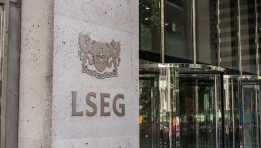
European equity markets closed mostly lower on July 1, as investors adopted a more cautious stance following recent market gains
- orshu
- •
- 8 Min Read
- •
- ago 3 hours
SKN | Tel Aviv Stocks Begin July With Broad Rally as TA-125 Climbs 1.65% and Market Breadth Strengthens
Israeli stocks opened the second half of the year on a strong note as widespread buying lifted nearly every major
- ago 3 hours
- •
- 8 Min Read

Israeli stocks opened the second half of the year on a strong note as widespread buying lifted nearly every major
- orshu
- •
- 7 Min Read
- •
- ago 6 hours
SKN | U.S. Markets Retreat as Technology Stocks Lead Broad Pullback While Volatility Edges Higher
U.S. financial markets opened July 1 on a weaker footing as investors reassessed recent gains across technology shares and
- ago 6 hours
- •
- 7 Min Read

U.S. financial markets opened July 1 on a weaker footing as investors reassessed recent gains across technology shares and

- sagi habasov
- •
- 7 Min Read
- •
- ago 6 hours
SKN | Portfolio Rotation Gains Momentum as Investors Exit Underperforming Holdings After a Soft Quarter
As second-quarter reporting season approaches, portfolio repositioning is becoming increasingly visible across equity markets. Rather than maintaining exposure to
- ago 6 hours
- •
- 7 Min Read

As second-quarter reporting season approaches, portfolio repositioning is becoming increasingly visible across equity markets. Rather than maintaining exposure to


