





- Lior mor
- •
- 7 Min Read
- •
- 5 hours ago
Key Points
- Apple (AAPL) trades lower as investors reassess valuation levels across large-cap technology stocks amid changing macro expectations.
- Market sentiment reflects concerns around iPhone demand cycles, services growth normalization, and global consumer spending trends.
- The decline highlights broader rotation dynamics within the technology sector as capital shifts toward AI-linked and cyclical beneficiaries.
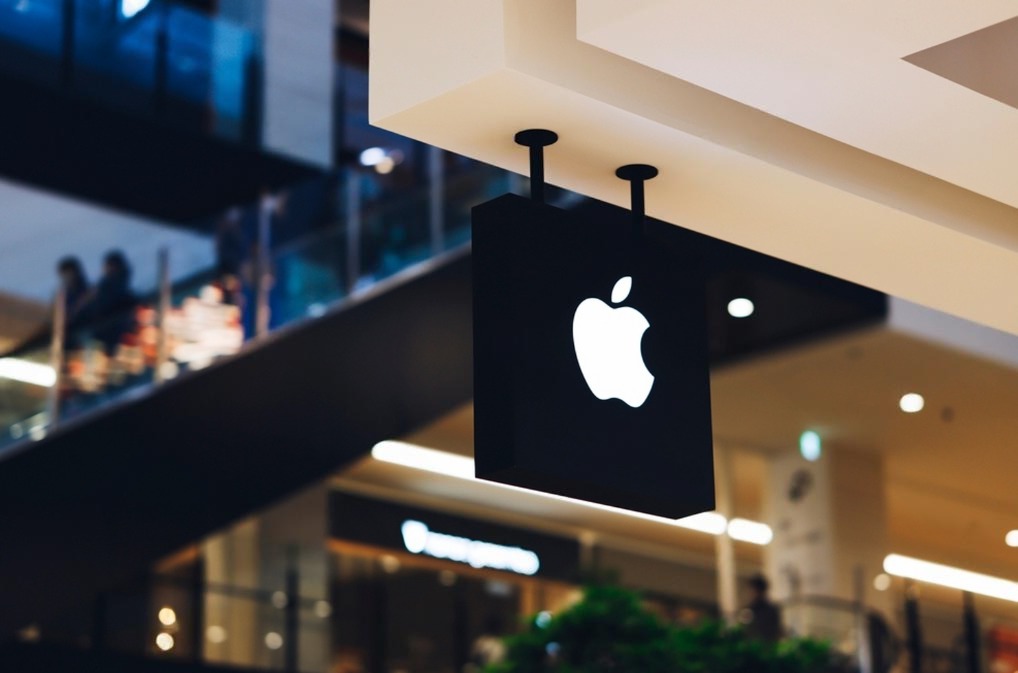
Apple shares declined in recent trading as investors responded to a combination of valuation recalibration across mega-cap technology names and evolving expectations around global consumer demand. The move comes within a broader market environment where technology equities remain highly sensitive to interest rate expectations, earnings visibility, and shifting investor preference toward AI-linked infrastructure plays. For global investors, including those in Tel Aviv, Apple’s performance continues to serve as a key indicator of consumer technology health and premium device demand cycles.
Valuation Pressure and Mega-Cap Rotation
The recent decline in Apple’s stock reflects a broader reassessment of valuations across large-cap technology companies that have led markets in recent years. After a prolonged period of outperformance, investor positioning has become more cautious as earnings growth rates normalize and macroeconomic conditions remain uneven across key regions.
Apple, with its significant weighting in global equity indices, is particularly sensitive to shifts in institutional allocation. Even modest changes in portfolio rotation strategies can lead to outsized price movements. The current environment has seen increased interest in sectors tied more directly to artificial intelligence infrastructure, semiconductors, and industrial technology, contributing to relative pressure on consumer hardware leaders.
Demand Trends and iPhone Cycle Sensitivity
At the core of Apple’s market narrative remains the trajectory of iPhone demand, which continues to represent a substantial portion of overall revenue. Investors are closely monitoring upgrade cycles, particularly in mature markets where device replacement rates have slowed compared to earlier growth phases.
While Apple’s services segment provides a growing stream of recurring revenue, it has not fully offset sensitivity to hardware cycles. Consumer spending trends in key regions such as the United States, Europe, and parts of Asia also remain critical variables influencing near-term performance expectations. Currency fluctuations further add complexity to international revenue translation, affecting quarterly results reported in U.S. dollars.
AI Strategy and Competitive Positioning
Market attention is also increasingly focused on Apple’s positioning within the artificial intelligence ecosystem. While competitors have more visibly accelerated AI infrastructure investments, Apple’s approach has been more integrated into its existing hardware-software ecosystem, emphasizing on-device intelligence and privacy-focused applications.
This strategic difference has sparked debate among investors regarding long-term growth visibility relative to peers that are more directly exposed to AI compute demand. However, Apple’s strong ecosystem lock-in, installed base, and premium pricing power continue to serve as stabilizing factors in its broader financial profile.
Competitive dynamics in smartphones, wearables, and services also remain central to Apple’s long-term valuation narrative, particularly as global technology adoption becomes more fragmented across regions and income segments.
Outlook: Market Rotation and Demand Signals in Focus
Looking ahead, Apple’s stock trajectory will likely depend on a combination of iPhone demand trends, services revenue growth, and broader sentiment toward mega-cap technology exposure. Investors will closely monitor upcoming product cycles, regional sales data, and guidance commentary for signs of stabilization or renewed acceleration in hardware demand.
Risks include continued rotation out of consumer technology into AI infrastructure plays, further pressure on global consumer spending, and potential saturation in mature smartphone markets. On the upside, sustained ecosystem growth, expansion of services margins, and incremental AI integration across Apple devices could support long-term revenue resilience.
For investors in Tel Aviv and globally, Apple’s recent weakness underscores a broader market theme: leadership in equity markets is increasingly dynamic, with capital flows shifting between established consumer technology leaders and next-generation AI-driven sectors.
Comparison, examination, and analysis between investment houses
Leave your details, and an expert from our team will get back to you as soon as possible
* This article, in whole or in part, does not contain any promise of investment returns, nor does it constitute professional advice to make investments in any particular field.
To read more about the full disclaimer, click here
- sagi habasov
- •
- 7 Min Read
- •
- ago 4 hours
SKN | Why Is Hertz Stock Under Pressure as Investor Concerns Re-Emerge?
Hertz Global Holdings shares declined in recent trading as investors reacted to renewed concerns over the company’s financial outlook and
- ago 4 hours
- •
- 7 Min Read

Hertz Global Holdings shares declined in recent trading as investors reacted to renewed concerns over the company’s financial outlook and

- Lior mor
- •
- 7 Min Read
- •
- ago 8 hours
SKN | Rush Enterprises Highlights Diverging Trends Across Industrial Distributors Following Q1 Earnings
The industrial distribution sector entered 2026 facing a more balanced operating environment after several years of supply chain disruptions
- ago 8 hours
- •
- 7 Min Read
The industrial distribution sector entered 2026 facing a more balanced operating environment after several years of supply chain disruptions

- Arik Arkadi Sluzki
- •
- 7 Min Read
- •
- ago 9 hours
SKN | Sonos Navigates a Challenging Consumer Spending Environment as Q1 Earnings Reflect Industry Pressures
The consumer discretionary sector entered 2026 facing a more selective spending environment as households adjusted to higher borrowing costs
- ago 9 hours
- •
- 7 Min Read
The consumer discretionary sector entered 2026 facing a more selective spending environment as households adjusted to higher borrowing costs
- Lior mor
- •
- 7 Min Read
- •
- ago 9 hours
SKN | Flowers Foods Stands Out as Perishable Food Companies Navigate a Challenging First Quarter
The first-quarter earnings season highlighted the resilience of the perishable food sector, even as companies continued to face elevated
- ago 9 hours
- •
- 7 Min Read

The first-quarter earnings season highlighted the resilience of the perishable food sector, even as companies continued to face elevated


