





- sagi habasov
- •
- 7 Min Read
- •
- 3 hours ago
Key Points
- Hertz Global Holdings (HTZ) shares are trading lower as investors reassess the company’s earnings trajectory and debt profile.
- Market sentiment reflects ongoing concerns around fleet costs, used-car price normalization, and demand volatility in rental markets.
- The decline highlights broader sensitivity in highly leveraged travel and mobility companies to macroeconomic shifts and consumer demand trends.
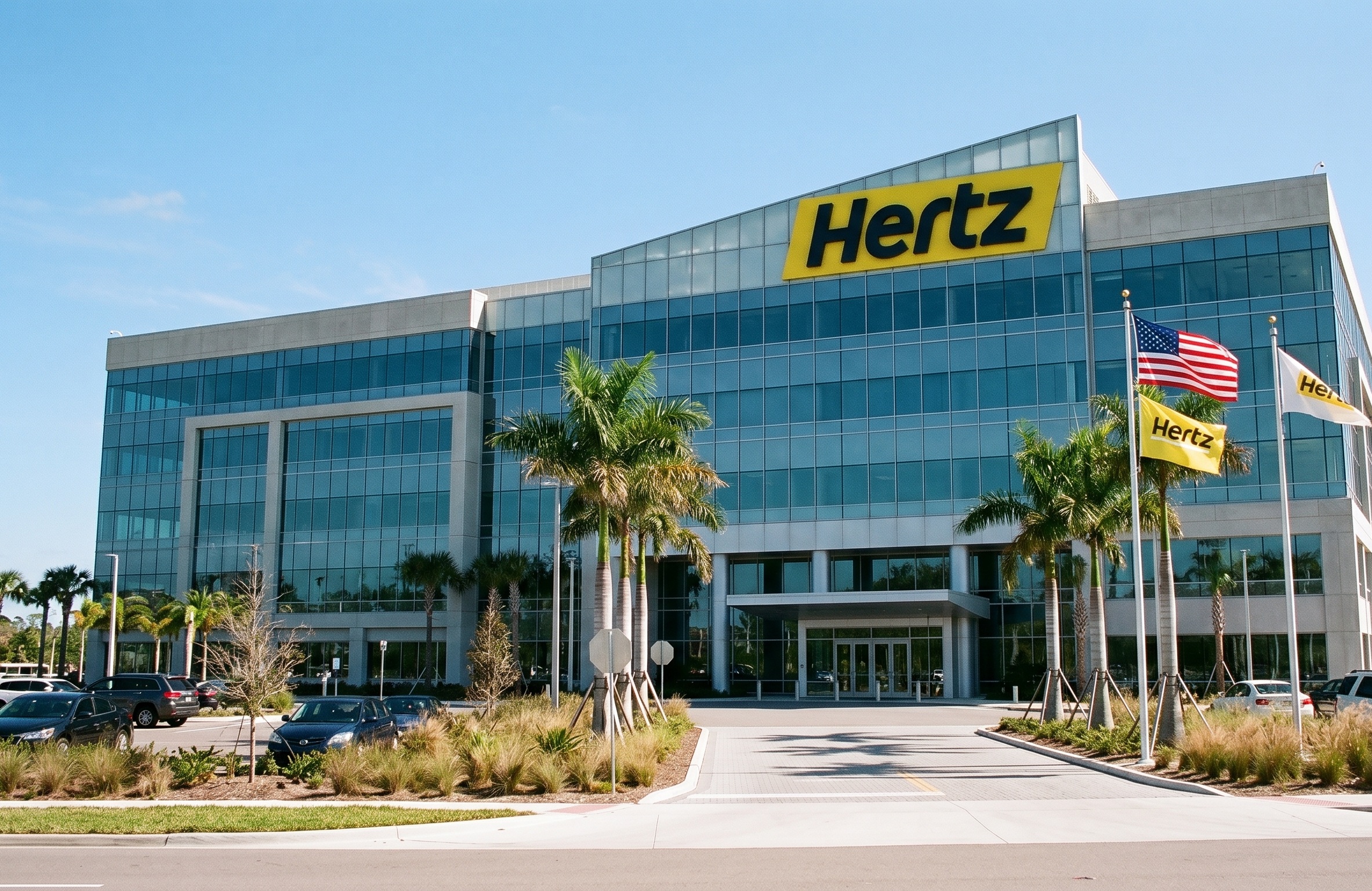
Hertz Global Holdings shares declined in recent trading as investors reacted to renewed concerns over the company’s financial outlook and the normalization of key industry pricing trends. The move comes within a broader market environment where travel and mobility companies remain highly sensitive to consumer spending patterns, vehicle residual values, and interest rate conditions. For global investors, including those in Tel Aviv, Hertz continues to represent a cyclical exposure point within the transportation and tourism-linked equity segment.
Pressure From Earnings Expectations and Debt Sensitivity
The recent weakness in Hertz stock reflects heightened investor focus on the company’s earnings durability and capital structure. Following its post-bankruptcy relisting period, Hertz has remained under scrutiny due to its elevated leverage and exposure to fluctuations in fleet valuation.
A key concern for investors is the sensitivity of Hertz’s balance sheet to interest rates and refinancing conditions. Higher borrowing costs increase pressure on profitability, particularly in capital-intensive sectors such as vehicle rental services. While demand recovery in travel markets has provided some support, earnings visibility remains uneven as the company continues to navigate a complex operating environment.
Market participants are also closely monitoring how efficiently Hertz can manage fleet acquisition costs while maintaining competitive pricing in a highly fragmented global rental market.
Used-Car Price Normalization and Fleet Valuation Headwinds
One of the most significant drivers impacting Hertz’s performance is the normalization of used-car prices following the extraordinary volatility seen in recent years. During the post-pandemic period, elevated vehicle prices supported strong residual values, benefiting rental companies that regularly cycle fleet assets.
As used-car prices stabilize or decline from peak levels, the economics of fleet turnover become less favorable. This dynamic can compress margins, particularly when acquisition costs remain elevated relative to resale values. For Hertz, which operates at scale across North America and international markets, these shifts have a direct impact on profitability per vehicle.
At the same time, supply chain conditions in the automotive sector have improved compared with previous years, reducing some operational constraints but also contributing to normalization in pricing dynamics that previously supported unusually strong margins.
Travel Demand and Competitive Industry Pressures
The broader car rental industry continues to benefit from steady travel demand, particularly in leisure segments and cross-border tourism. However, demand patterns remain uneven across regions, with sensitivity to macroeconomic conditions, airfare pricing, and consumer confidence levels.
Hertz competes in a highly price-sensitive market alongside other global rental operators, where fleet utilization rates and pricing discipline are key determinants of profitability. Increased competition in both traditional rental services and emerging mobility platforms has added further pressure on margins.
In addition, corporate travel recovery has been gradual compared with leisure travel, creating a mixed demand environment that limits upside visibility in certain business segments.
Outlook: Balance Sheet Discipline and Demand Stability in Focus
Looking ahead, Hertz’s performance will depend on its ability to stabilize fleet economics, manage debt obligations, and maintain pricing discipline in a competitive rental environment. Investors will closely watch vehicle depreciation trends, utilization rates, and refinancing conditions as key indicators of financial resilience.
Risks include renewed pressure on used-car prices, weaker-than-expected travel demand, and elevated interest rates affecting capital costs. On the upside, sustained global travel recovery and improved operational efficiency could support gradual margin stabilization.
For investors in Tel Aviv and globally, Hertz illustrates the continued volatility within leveraged mobility companies, where earnings sensitivity to macroeconomic conditions remains a central driver of valuation movements.
Comparison, examination, and analysis between investment houses
Leave your details, and an expert from our team will get back to you as soon as possible
* This article, in whole or in part, does not contain any promise of investment returns, nor does it constitute professional advice to make investments in any particular field.
To read more about the full disclaimer, click here
- Lior mor
- •
- 7 Min Read
- •
- ago 4 hours
SKN | Why Is Apple Under Pressure as Shares Edge Lower in a Shifting Tech Market?
Apple shares declined in recent trading as investors responded to a combination of valuation recalibration across mega-cap technology names and
- ago 4 hours
- •
- 7 Min Read

Apple shares declined in recent trading as investors responded to a combination of valuation recalibration across mega-cap technology names and
- Lior mor
- •
- 7 Min Read
- •
- ago 7 hours
SKN | Rush Enterprises Highlights Diverging Trends Across Industrial Distributors Following Q1 Earnings
The industrial distribution sector entered 2026 facing a more balanced operating environment after several years of supply chain disruptions
- ago 7 hours
- •
- 7 Min Read

The industrial distribution sector entered 2026 facing a more balanced operating environment after several years of supply chain disruptions

- Arik Arkadi Sluzki
- •
- 7 Min Read
- •
- ago 8 hours
SKN | Sonos Navigates a Challenging Consumer Spending Environment as Q1 Earnings Reflect Industry Pressures
The consumer discretionary sector entered 2026 facing a more selective spending environment as households adjusted to higher borrowing costs
- ago 8 hours
- •
- 7 Min Read

The consumer discretionary sector entered 2026 facing a more selective spending environment as households adjusted to higher borrowing costs
- Lior mor
- •
- 7 Min Read
- •
- ago 8 hours
SKN | Flowers Foods Stands Out as Perishable Food Companies Navigate a Challenging First Quarter
The first-quarter earnings season highlighted the resilience of the perishable food sector, even as companies continued to face elevated
- ago 8 hours
- •
- 7 Min Read

The first-quarter earnings season highlighted the resilience of the perishable food sector, even as companies continued to face elevated


