





- omer bar
- •
- 7 Min Read
- •
- 2 hours ago
Key Points
- SpaceX estimates that approximately $26.5 trillion of its projected $28.5 trillion addressable market is tied to artificial intelligence opportunities.
- Major AI companies are reportedly committing billions of dollars annually to access SpaceX’s growing computing infrastructure.
- The company’s vision for solar-powered orbital data centers could reshape how AI infrastructure is built and powered globally.
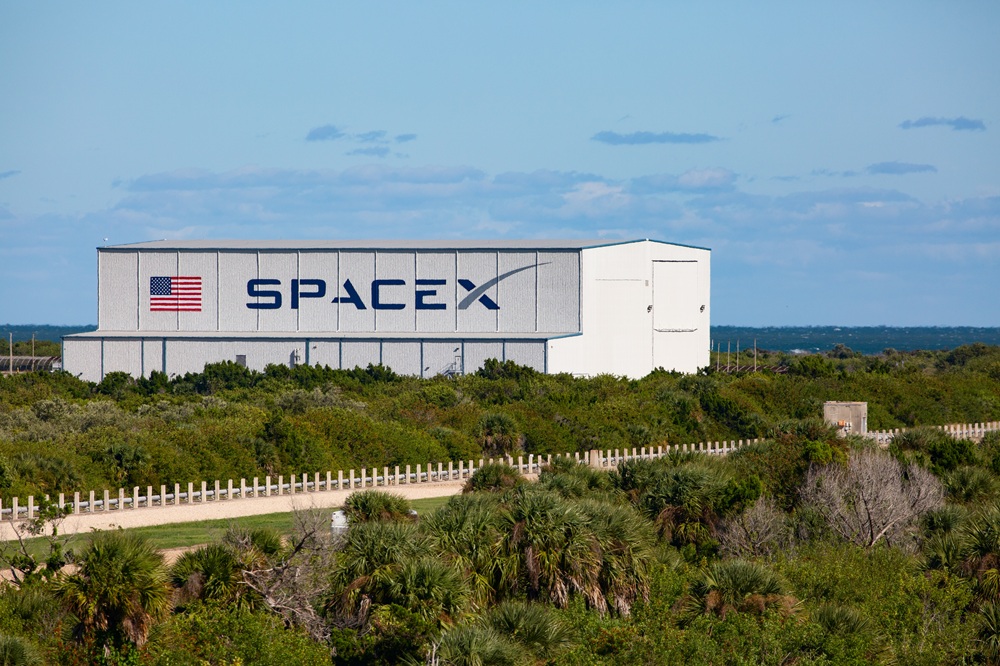
SpaceX is widely known for rockets, satellites, and space exploration, but the company’s long-term ambitions increasingly point toward a much larger opportunity: artificial intelligence infrastructure. While investors often categorize SpaceX as an aerospace company, its recent strategic initiatives suggest that AI may ultimately become its most valuable business segment. If management successfully executes its vision, SpaceX could emerge as one of the world’s most important providers of computing capacity, positioning itself at the center of the next generation of AI development.
AI Infrastructure Is Becoming a Core Business
According to SpaceX’s public filings, artificial intelligence represents approximately $26.5 trillion of its estimated $28.5 trillion total addressable market. That figure highlights a strategic shift that extends far beyond traditional launch services and satellite communications.
Recent agreements underscore the growing commercial potential of the company’s AI infrastructure ambitions. Reports indicate that leading artificial intelligence firms have committed substantial amounts to secure access to SpaceX computing capacity, transforming data-center operations into a rapidly growing revenue source. These arrangements demonstrate how demand for advanced AI computing continues to outpace available supply, creating opportunities for companies capable of delivering large-scale infrastructure.
Unlike many technology firms focused solely on software and models, SpaceX is positioning itself deeper within the value chain by owning and operating the infrastructure required to power future AI workloads.
Orbital Data Centers Could Transform the Industry
The greatest differentiator in SpaceX’s AI strategy may be its proposal to deploy space-based data centers. Traditional AI facilities face mounting challenges, including electricity shortages, grid constraints, environmental concerns, water consumption, and permitting delays. As AI adoption accelerates, access to reliable energy has become one of the industry’s most significant bottlenecks.
SpaceX believes orbital computing platforms could provide an alternative solution. The company has reportedly applied to deploy up to one million satellites capable of functioning as data centers powered primarily by solar energy. These systems would bypass many of the limitations facing terrestrial infrastructure while potentially offering virtually unlimited access to renewable power.
If successful, orbital data centers could fundamentally alter the economics of AI computing by reducing dependence on strained electrical grids and expanding available processing capacity at an unprecedented scale.
Massive Opportunity Comes With Significant Risks
Despite the enormous potential, SpaceX’s AI ambitions carry substantial execution risk. Building next-generation AI infrastructure requires extraordinary capital investment. The company reportedly allocated approximately $12.7 billion toward AI initiatives in 2025, significantly exceeding investments in both its space transportation and connectivity businesses.
Financial results also reflect the challenges associated with such aggressive expansion. While SpaceX generated profitability in 2024, it returned to a significant net loss in 2025 as spending accelerated. Investors must balance the promise of future revenue growth against the reality that many of the company’s most ambitious projects remain years away from commercialization.
Looking ahead, the investment case for SpaceX increasingly revolves around artificial intelligence rather than rockets alone. Analysts project that AI-related revenue could become the company’s dominant growth engine by the end of the decade. If orbital data centers become commercially viable and demand for computing capacity continues to surge, SpaceX could evolve from a space company with AI exposure into one of the world’s most influential AI infrastructure providers. The path forward remains complex, but the scale of the opportunity explains why many investors are beginning to view SpaceX through a very different lens.
Comparison, examination, and analysis between investment houses
Leave your details, and an expert from our team will get back to you as soon as possible
* This article, in whole or in part, does not contain any promise of investment returns, nor does it constitute professional advice to make investments in any particular field.
To read more about the full disclaimer, click here
- sagi habasov
- •
- 7 Min Read
- •
- ago 2 hours
SKN | Is Agility Robotics’ $2.5 Billion SPAC Deal a Sign That Humanoid Robots Are Entering the Mainstream?
The race to commercialize humanoid robots is entering a new phase as Agility Robotics prepares to go public through a
- ago 2 hours
- •
- 7 Min Read
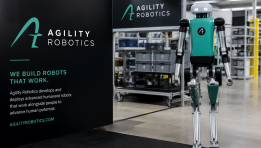
The race to commercialize humanoid robots is entering a new phase as Agility Robotics prepares to go public through a

- Ronny Mor
- •
- 7 Min Read
- •
- ago 2 hours
SKN | Can Qualcomm’s ByteDance Deal Accelerate Its Push Beyond Smartphones?
Qualcomm is reportedly in talks with ByteDance, the parent company of TikTok, to develop custom semiconductor solutions as part of
- ago 2 hours
- •
- 7 Min Read
Qualcomm is reportedly in talks with ByteDance, the parent company of TikTok, to develop custom semiconductor solutions as part of

- omer bar
- •
- 7 Min Read
- •
- ago 5 hours
SKN | Why Broadcom (AVGO) Shares Are Under Pressure as Semiconductor and AI Sentiment Rebalances
Broadcom shares are trading under pressure as investors reassess the sustainability of recent gains across semiconductor and infrastructure technology equities.
- ago 5 hours
- •
- 7 Min Read

Broadcom shares are trading under pressure as investors reassess the sustainability of recent gains across semiconductor and infrastructure technology equities.
- Ronny Mor
- •
- 7 Min Read
- •
- ago 7 hours
SKN | Why Banned Nvidia AI Chips Are Reportedly Surging in China’s Underground Market
Global demand for advanced artificial intelligence computing continues to outpace formal supply channels, with restricted Nvidia chips reportedly seeing a
- ago 7 hours
- •
- 7 Min Read
Global demand for advanced artificial intelligence computing continues to outpace formal supply channels, with restricted Nvidia chips reportedly seeing a


