





- Ronny Mor
- •
- 7 Min Read
- •
- 3 hours ago
Key Points
- Nvidia AI chips restricted from export to China are reportedly trading at sharply higher prices in unofficial markets.
- The surge reflects persistent demand for high-performance computing despite tightening U.S. export controls.
- The development underscores widening global fragmentation in AI hardware supply chains and pricing inefficiencies.
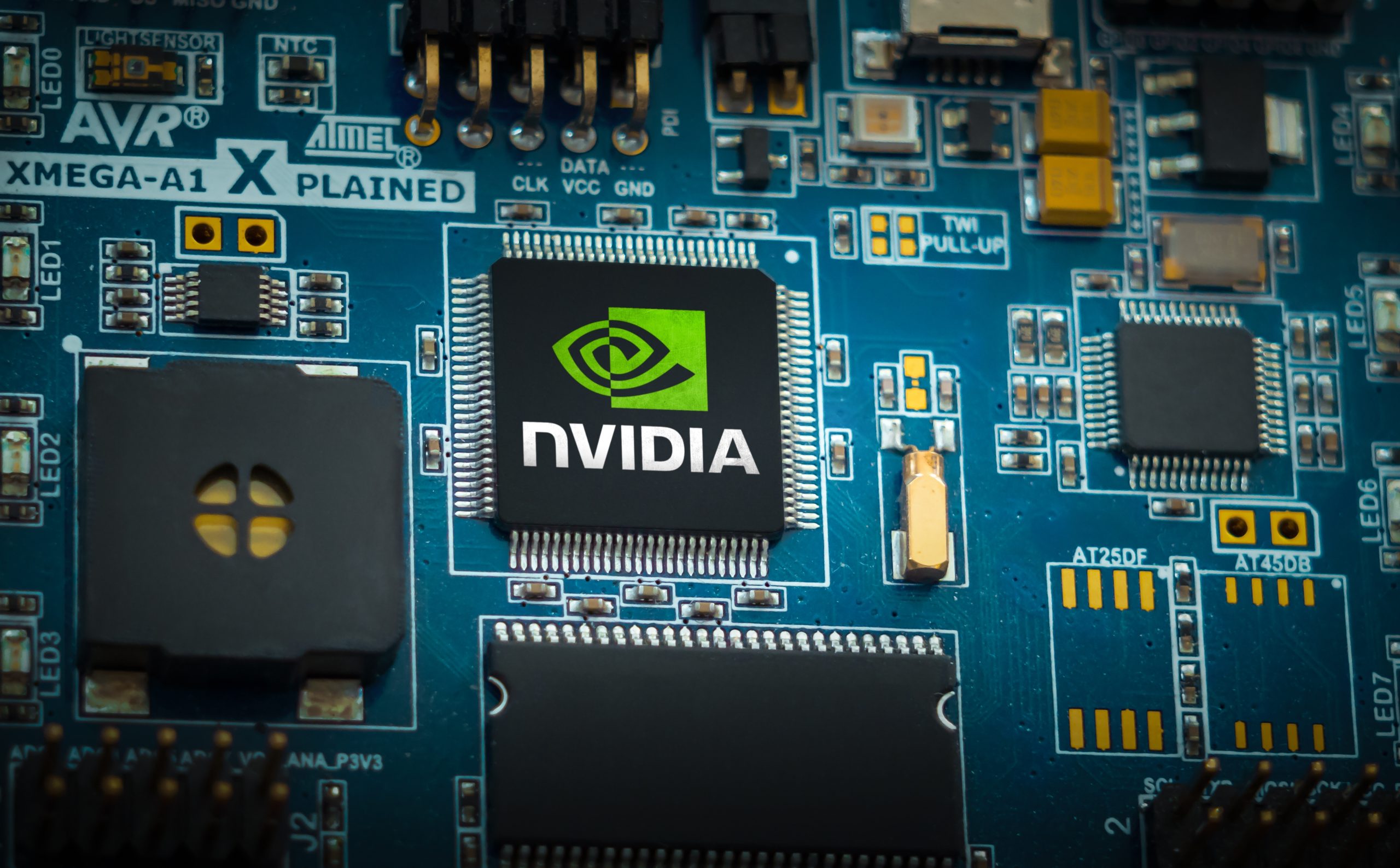
Global demand for advanced artificial intelligence computing continues to outpace formal supply channels, with restricted Nvidia chips reportedly seeing a significant price surge in China’s gray and black markets. The situation highlights the widening gap between regulatory constraints on high-end semiconductor exports and the sustained appetite for AI infrastructure across the world’s second-largest economy. For investors in Israel and global markets, the trend reflects how geopolitical restrictions are reshaping pricing dynamics in critical technology hardware.
Export Controls and Shadow Market Pricing Distortions
The reported doubling in price of Nvidia’s restricted AI chips stems from ongoing U.S. export controls designed to limit China’s access to advanced semiconductor technology. These restrictions have pushed demand into unofficial distribution channels, where scarcity and enforcement risk premium significantly elevate pricing.
In such constrained environments, pricing no longer reflects traditional supply-demand equilibrium but instead incorporates geopolitical risk, logistical friction, and enforcement uncertainty. Market participants operating within these channels are effectively paying a premium for access to compute resources that are otherwise heavily restricted in formal markets. This dynamic illustrates how regulatory intervention can unintentionally create parallel pricing systems.
AI Demand Pressure Continues to Drive Hardware Scarcity
Despite tightening export rules, global demand for AI compute capacity remains structurally strong, driven by rapid adoption of large language models, enterprise AI systems, and cloud-based machine learning infrastructure. Nvidia, as the dominant supplier of high-performance GPUs, remains central to this ecosystem, even when access is restricted in certain jurisdictions.
China’s technology sector continues to prioritize AI development across cloud services, industrial applications, and consumer platforms, intensifying demand for alternative supply routes. As a result, restricted chips gain additional value in unofficial markets where availability becomes the primary constraint rather than price sensitivity. This reinforces the broader trend of compute scarcity shaping global AI investment behavior.
Geopolitical Fragmentation Reshapes Semiconductor Supply Chains
The widening divergence between regulated and unregulated access to AI hardware reflects a broader structural shift in global semiconductor markets. Trade restrictions, national security policies, and technology decoupling are increasingly influencing where and how advanced chips are distributed.
For semiconductor manufacturers, this environment creates both opportunity and constraint. While global demand for AI compute is expanding, revenue recognition in restricted markets becomes more complex and indirectly routed. At the same time, secondary and informal markets introduce pricing distortions that are disconnected from official supply chain economics.
The situation also highlights growing fragmentation in global technology ecosystems, where identical hardware can carry vastly different economic value depending on jurisdiction and accessibility.
Outlook: AI Compute Scarcity and Policy Pressure Remain Key Variables
Looking ahead, pricing volatility in restricted semiconductor markets is likely to persist as long as demand for AI infrastructure continues to exceed compliant supply channels. Any adjustments in export policy, enforcement intensity, or alternative chip development in China could significantly alter these dynamics.
Risks include further tightening of regulatory frameworks, increased enforcement across intermediary channels, and accelerated domestic semiconductor substitution efforts. On the other hand, continued global AI expansion may sustain strong underlying demand for high-performance computing hardware regardless of geographic restrictions.
For investors in Israel and globally, the development underscores a critical theme in the semiconductor sector: AI-driven demand is no longer solely a technological story, but increasingly a geopolitical and structural pricing phenomenon shaping global hardware markets.
Comparison, examination, and analysis between investment houses
Leave your details, and an expert from our team will get back to you as soon as possible
* This article, in whole or in part, does not contain any promise of investment returns, nor does it constitute professional advice to make investments in any particular field.
To read more about the full disclaimer, click here
- omer bar
- •
- 7 Min Read
- •
- ago 1 hour
SKN | Why Broadcom (AVGO) Shares Are Under Pressure as Semiconductor and AI Sentiment Rebalances
Broadcom shares are trading under pressure as investors reassess the sustainability of recent gains across semiconductor and infrastructure technology equities.
- ago 1 hour
- •
- 7 Min Read

Broadcom shares are trading under pressure as investors reassess the sustainability of recent gains across semiconductor and infrastructure technology equities.

- sagi habasov
- •
- 6 Min Read
- •
- ago 10 hours
SKN | Meta’s Move Into Prediction Markets Shakes Industry Rivals as Investors Reassess Competitive Landscape
Reports that Meta Platforms is building a prediction markets application sparked a notable market reaction this week, sending shares
- ago 10 hours
- •
- 6 Min Read

Reports that Meta Platforms is building a prediction markets application sparked a notable market reaction this week, sending shares
- sagi habasov
- •
- 7 Min Read
- •
- ago 11 hours
SKN | Health Catalyst’s Q1 Results Highlight Opportunities and Challenges Across the Data Analytics Sector
The first-quarter earnings season provided fresh insight into the evolving landscape of data analytics companies, with Health Catalyst (NASDAQ:
- ago 11 hours
- •
- 7 Min Read

The first-quarter earnings season provided fresh insight into the evolving landscape of data analytics companies, with Health Catalyst (NASDAQ:

- Ronny Mor
- •
- 7 Min Read
- •
- ago 11 hours
SKN | Nvidia Expands Into Biomedical AI — Could Healthcare Become the Next Major Growth Engine?
Nvidia is deepening its presence in one of artificial intelligence’s most promising frontiers: biomedical research. The company announced the BioNeMo
- ago 11 hours
- •
- 7 Min Read
Nvidia is deepening its presence in one of artificial intelligence’s most promising frontiers: biomedical research. The company announced the BioNeMo


