





- omer bar
- •
- 7 Min Read
- •
- 21 hours ago
Key Points
- The U.S. national average gasoline price has fallen 13.6% over the past month to $3.92 per gallon.
- Analysts believe prices could decline toward $3.50 per gallon if U.S.-Iran negotiations continue progressing.
- Summer demand, reserve replenishment, and geopolitical risks may prevent a return to pre-war fuel prices anytime soon.
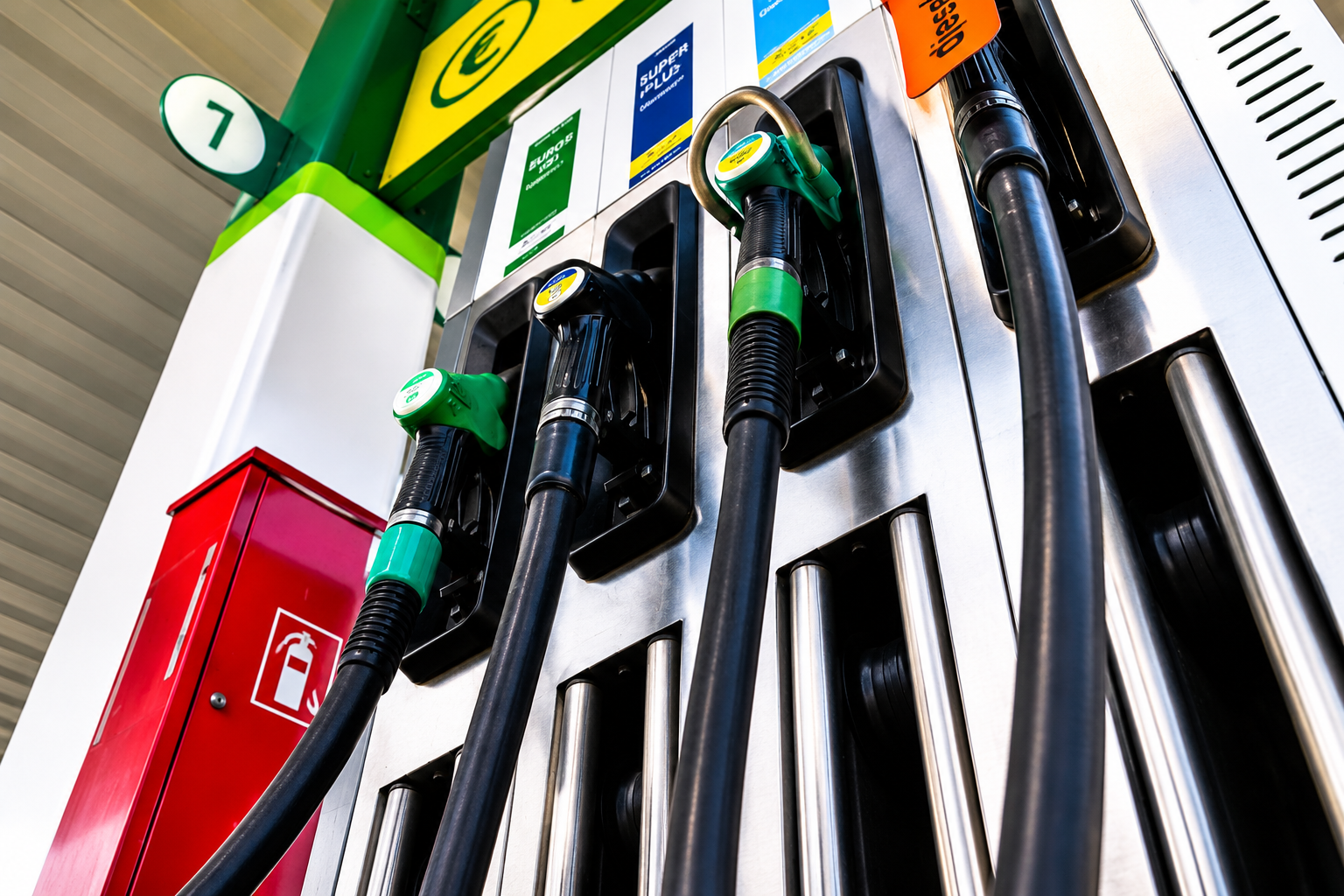
American drivers are finally seeing relief at the pump after months of elevated fuel costs triggered by one of the largest oil market disruptions in recent history. As diplomatic negotiations between the United States and Iran replace direct conflict, gasoline prices have retreated significantly from their recent highs. However, while consumers are benefiting from lower prices, energy analysts caution that several structural and geopolitical factors could limit how much further fuel costs decline in the months ahead.
Falling Oil Prices Drive Relief at the Pump
The national average gasoline price stood at $3.92 per gallon this week, according to AAA data, marking a decline of approximately 62 cents from levels seen one month ago. The retreat follows a sharp drop in crude oil prices after markets became increasingly optimistic about the possibility of a lasting agreement between Washington and Tehran.
The conflict initially triggered a historic energy shock when Iran restricted traffic through the Strait of Hormuz, a critical maritime route responsible for transporting roughly 20% of the world’s oil supply. The disruption sent crude oil prices soaring and pushed gasoline prices well above pre-war levels.
As negotiations have progressed, oil markets have gradually priced in the possibility of increased supply returning to global markets. U.S. benchmark West Texas Intermediate crude has fallen more than 20% from its recent peak, helping ease pressure across energy markets and providing consumers with meaningful savings.
Why Analysts See Further Downside Potential
Several energy experts believe gasoline prices could continue falling if diplomatic progress remains intact. The primary factor remains the Strait of Hormuz. Investors are closely monitoring shipping activity through the waterway, as increased tanker traffic would signal a normalization of global oil flows and additional supply entering the market.
Some analysts project the national average gasoline price could fall toward $3.50 per gallon over the coming weeks if negotiations advance and oil shipments continue recovering. Additional supply would likely place further downward pressure on crude prices, which historically translates into lower fuel costs for consumers.
However, markets have already priced in a significant portion of this expected recovery. As a result, future declines are likely to be slower and more gradual than those seen over the past month. Investors and consumers should expect diminishing returns from positive geopolitical developments as optimism becomes increasingly reflected in current prices.
Several Risks Could Keep Prices Elevated
Despite improving conditions, several obstacles could prevent gasoline prices from returning to pre-war levels anytime soon. Summer driving season traditionally increases fuel demand across the United States, creating natural upward pressure on prices. At the same time, governments around the world are expected to replenish strategic petroleum reserves that were heavily utilized during the crisis.
Additional uncertainty remains tied to the broader geopolitical environment. Any breakdown in U.S.-Iran negotiations, renewed military tensions, or further disruptions to shipping routes could quickly reverse recent gains and send oil prices higher once again. Damaged infrastructure and potential future transit fees through the Strait of Hormuz also remain important variables for global energy markets.
Looking ahead, gasoline prices appear positioned to continue trending lower, but the pace of declines is likely to moderate. While consumers may enjoy further relief during the coming months, a full return to pre-conflict fuel prices may require not only sustained peace in the Middle East but also a significant expansion in global oil supply. Investors, policymakers, and motorists alike will continue watching developments in the Strait of Hormuz, as its stability remains one of the most important drivers of global energy prices.
Comparison, examination, and analysis between investment houses
Leave your details, and an expert from our team will get back to you as soon as possible
* This article, in whole or in part, does not contain any promise of investment returns, nor does it constitute professional advice to make investments in any particular field.
To read more about the full disclaimer, click here
- Lior mor
- •
- 7 Min Read
- •
- ago 11 hours
SKN | Is Nano Nuclear Energy the Most Undervalued Nuclear Stock in the SMR Boom?
The rapid expansion of artificial intelligence, data centers, and energy-intensive technologies has reignited investor interest in nuclear power, particularly small
- ago 11 hours
- •
- 7 Min Read

The rapid expansion of artificial intelligence, data centers, and energy-intensive technologies has reignited investor interest in nuclear power, particularly small

- Ronny Mor
- •
- 7 Min Read
- •
- ago 1 day
SKN | Is Natural Gas Becoming the Backbone of the AI Revolution? Chevron and Microsoft Bet Big on Texas Data Center Power
The rapid expansion of artificial intelligence is creating unprecedented demand for electricity, forcing technology companies to rethink how they secure
- ago 1 day
- •
- 7 Min Read

The rapid expansion of artificial intelligence is creating unprecedented demand for electricity, forcing technology companies to rethink how they secure
- Ronny Mor
- •
- 7 Min Read
- •
- ago 4 days
SKN | Renewable Energy Stocks Face Mixed Q1 Signals as First Solar Sets the Benchmark
The renewable energy sector entered the latest earnings season under heightened scrutiny as investors evaluated whether strong long-term demand trends
- ago 4 days
- •
- 7 Min Read

The renewable energy sector entered the latest earnings season under heightened scrutiny as investors evaluated whether strong long-term demand trends

- omer bar
- •
- 7 Min Read
- •
- ago 4 days
SKN | Will Brent Crude Hold Near $80 as Hormuz Uncertainty and Iran Talks Keep Energy Markets on Edge?
Global oil markets entered the final trading session of the week in a cautious mood as Brent crude hovered near
- ago 4 days
- •
- 7 Min Read
Global oil markets entered the final trading session of the week in a cautious mood as Brent crude hovered near


