





- Ronny Mor
- •
- 7 Min Read
- •
- 3 hours ago
Key Points
- Alibaba has introduced new AI models designed specifically to enhance robotics and physical-world automation capabilities.
- The development intensifies competition in the emerging “physical AI” segment across China and global tech leaders.
- Investors are reassessing BABA’s positioning as AI shifts from digital applications to real-world industrial deployment.

Alibaba Group is accelerating its push into advanced artificial intelligence with the release of new AI models tailored for robotics and physical-world applications. The development comes as global technology firms compete to extend AI beyond software and cloud environments into industrial automation, logistics, and embodied intelligence systems. For investors in Israel and international markets, the move signals a structural shift in AI competition toward real-world deployment rather than purely digital applications.
From Digital AI to Physical Intelligence Systems
Alibaba’s latest AI models are designed to support robotics systems capable of interacting with physical environments, including manufacturing processes, warehouse automation, and service robotics. This reflects a broader industry transition where artificial intelligence is no longer confined to language models and cloud-based inference but is increasingly integrated into hardware-driven applications.
The so-called “physical AI” segment is emerging as a key frontier in global technology competition. It combines machine learning, computer vision, sensor fusion, and robotics engineering to enable machines to perform complex real-world tasks. Alibaba’s entry into this space positions the company alongside global peers investing heavily in embodied AI systems.
The strategic importance of this shift lies in its potential to unlock new industrial use cases, particularly in logistics-heavy economies such as China, where automation demand continues to expand.
Competitive Pressure in the Global AI Ecosystem
Alibaba’s move intensifies competition with major technology players including Amazon, Microsoft, Google, and Nvidia-backed robotics initiatives. While these firms have largely focused on cloud AI infrastructure and enterprise software, the next phase of competition is expected to center on integrating AI into physical systems and industrial environments.
For Alibaba, robotics-focused AI development strengthens its positioning across e-commerce logistics, cloud computing, and enterprise services. The company’s ecosystem already spans retail platforms, payment systems, and cloud infrastructure, allowing potential integration of physical AI applications into its core operational network.
Market participants are increasingly evaluating how effectively technology firms can bridge the gap between digital intelligence and physical execution. This transition is seen as a key determinant of long-term AI monetization potential across industries.
Implications for BABA Stock and Market Positioning
Alibaba’s advancements in robotics-oriented AI come at a time when BABA stock is closely tied to broader sentiment around Chinese technology regulation, domestic economic conditions, and global AI competition. The expansion into physical AI introduces a new growth narrative that extends beyond traditional e-commerce and cloud revenue streams.
However, investor focus remains divided between innovation potential and structural challenges, including regulatory oversight in China and competitive pressure from both domestic and international technology firms. The ability to commercialize robotics AI at scale will be a critical factor in determining whether these developments translate into sustained revenue growth.
Institutional investors are also monitoring capital allocation efficiency, as AI-driven expansion requires significant investment in compute infrastructure, research, and ecosystem development.
Outlook: Industrial AI Adoption Becomes the Key Catalyst
Looking ahead, investor attention will center on the pace at which Alibaba’s robotics AI models are adopted across industrial and commercial sectors. Key indicators will include integration into logistics networks, manufacturing automation systems, and enterprise AI deployments.
Risks include slower-than-expected adoption of physical AI technologies, intensifying global competition in robotics innovation, and continued regulatory uncertainty in China’s technology sector. On the other hand, successful scaling of embodied AI applications could position Alibaba as a central player in the next phase of industrial automation.
For investors in Israel and globally, Alibaba’s latest AI expansion highlights a broader market transformation: artificial intelligence is increasingly moving from digital platforms into the physical economy, reshaping the competitive landscape for global technology equities.
Comparison, examination, and analysis between investment houses
Leave your details, and an expert from our team will get back to you as soon as possible
* This article, in whole or in part, does not contain any promise of investment returns, nor does it constitute professional advice to make investments in any particular field.
To read more about the full disclaimer, click here
- sagi habasov
- •
- 7 Min Read
- •
- ago 5 hours
SKN | Polymarket Faces Scrutiny After Allegations of Paid Deceptive Content Promotion on Social Media
Polymarket, the decentralized prediction-market platform, is facing renewed controversy following reports alleging that creators were compensated to distribute deceptive videos
- ago 5 hours
- •
- 7 Min Read

Polymarket, the decentralized prediction-market platform, is facing renewed controversy following reports alleging that creators were compensated to distribute deceptive videos

- omer bar
- •
- 7 Min Read
- •
- ago 5 hours
SKN | Meta Platforms Under Pressure: Is the Weakness a Buying Opportunity or a Warning Sign for Investors?
Meta Platforms has recently come under renewed investor scrutiny as concerns mount over slowing momentum in key segments and rising
- ago 5 hours
- •
- 7 Min Read

Meta Platforms has recently come under renewed investor scrutiny as concerns mount over slowing momentum in key segments and rising

- Ronny Mor
- •
- 7 Min Read
- •
- ago 5 hours
SKN | The One Number Driving Micron’s Future: Why AI Memory Demand Has Become the Market’s Key Metric
The investment case for Micron Technology has become increasingly centered on a single variable: demand for advanced memory used in
- ago 5 hours
- •
- 7 Min Read

The investment case for Micron Technology has become increasingly centered on a single variable: demand for advanced memory used in
- sagi habasov
- •
- 7 Min Read
- •
- ago 6 hours
SKN | Why TSMC May Be the Biggest AI Winner Without Competing in the AI Race
The artificial intelligence boom has created intense competition among chip designers, cloud providers, and software companies. Yet Taiwan Semiconductor Manufacturing
- ago 6 hours
- •
- 7 Min Read
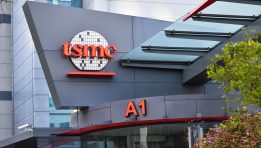
The artificial intelligence boom has created intense competition among chip designers, cloud providers, and software companies. Yet Taiwan Semiconductor Manufacturing


